
Lawn
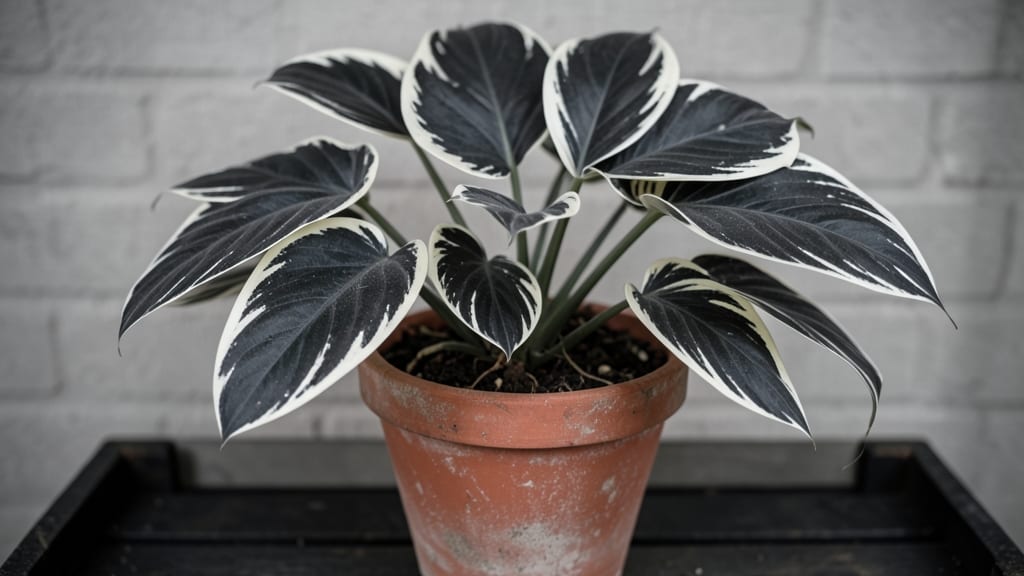
Your lawn could be the most striking feature in the neighborhood with a black and white seed mix—no paint required. ✨ The dramatic contrast of deep purples and crisp whites creates a look that feels modern yet timeless, perfect for gardeners who want to make a statement without overwhelming colors.
This isn’t just about aesthetics—it’s about creating a focal point that works year-round. The mix thrives in full sun, handles foot traffic better than most lawns, and even looks stunning in frost. You’ll get that high-end garden center look for a fraction of the cost.
Imagine stepping onto a lawn that looks like a masterpiece, where every season reveals new textures. The seed blend is simple to install and maintain, making it ideal for both design enthusiasts and busy homeowners who want beauty without the fuss.
Perfect for modern landscapes, minimalist gardens, or even as a bold border around flower beds. Here’s how to bring this striking vision to life!
📚 In This Guide
- What you need
- Instructions
- Tips and common mistakes
- Wrapping up and next steps
What you need
- ● Black-and-white seed mix: 10–20 lbs (depending on lawn size; ~5 lbs per 100 sq ft)
- ● Look for blends with fine fescue (for black) and white clover or creeping thyme (for white).
- ● Lawn soil: Well-draining, slightly acidic (pH 6.0–7.0). Test your soil first!
- ● Lawn fertilizer: Slow-release, high-nitrogen (16-4-8 or similar) for establishment.
- ● Rake: Metal or plastic with fine tines for seedbed prep.
- ● Broadcast spreader: Handheld or wheel-type for even seed distribution.
- ● Watering system: Garden hose with adjustable nozzle or sprinkler (fine mist setting).
- ○ Water timer (optional but helpful for consistency).
- ● Lawn roller: Lightweight (50–100 lbs) to press seeds into soil.
- ● Soil amendments: Compost or peat moss (if soil is sandy/clay-heavy).
- ● Pre-emergent herbicide: To block weeds during seedling phase (apply before seeding).
- ● Lawn edging tools: For crisp borders if defining garden beds.
- ● Mulch or straw: Light layer (¼ inch) to retain moisture post-planting.
- ● pH test kit: To fine-tune soil acidity for optimal growth.
How to plant a striking black and white seed mix lawn
This bold contrast lawn creates a dramatic visual impact with minimal maintenance—here’s how to make it happen.
🌱 Step 1: Prepare the Soil for Optimal Germination
Start by testing your soil’s pH—black and white grass varieties thrive in a range of 6.0 to 7.0. If your soil is compacted or clay-heavy, loosen it to a depth of 4-6 inches using a garden fork or tiller. Remove any rocks, roots, or debris that could hinder seed contact with the soil.
Work in 2-3 inches of high-quality topsoil or compost to enrich the bed. Smooth the surface with a rake, creating a fine, level texture. The goal is a seedbed so even that a marble would roll across it without catching. This ensures uniform seed-to-soil contact, which is critical for even germination.
💧 Step 2: Spread the Seed Mix Evenly for Perfect Coverage
Divide your black and white seed mix into four equal portions. Use a broadcast spreader or hand-sow the first portion in one direction, then cross-sow the second portion perpendicular to the first. This double-pass method guarantees even distribution without clumping. For a 4,000 sq ft lawn, you’ll need about 10-12 lbs of seed mix total—adjust slightly for smaller areas.
Lightly rake the area with a stiff-bristled rake to press seeds into the soil without burying them. The seeds should only be covered by a thin layer of soil—no deeper than ¼ inch. This prevents excessive moisture loss while allowing light to reach the seeds for germination. Water gently with a fine mist to settle the seeds into place.
☀️ Step 3: Water Consistently to Encourage Strong Germination
Keep the soil surface evenly moist for the first 2-3 weeks—this is the critical period for germination. Water lightly twice daily (morning and evening) to maintain moisture without oversaturating. You’ll know you’re doing it right when the top ½ inch of soil stays damp but doesn’t feel soggy. Overwatering can cause seed rot, while underwatering leads to patchy growth.
Once the seedlings reach 2-3 inches tall, gradually reduce watering to once daily and allow the top layer of soil to dry slightly between waterings. This encourages deeper root growth. Avoid heavy watering from above—use a soaker hose or drip irrigation to prevent washing away seeds or disturbing young plants.
✂️ Step 4: Maintain the Lawn for Long-Term Bold Contrast
Wait until the grass reaches 3-4 inches tall before your first mowing. Set your mower blade to 3 inches to preserve the striking black-and-white contrast while promoting dense growth. Never remove more than ⅓ of the blade height at once—this prevents stress and ensures the lawn recovers quickly. Mow when the grass is dry for cleaner cuts and even results.
Fertilize lightly in early spring and fall with a slow-release, low-nitrogen formula (10-0-10 ratio) to support vibrant color without promoting excessive growth. Over-fertilizing can wash out the bold contrast and lead to uneven coloration. Apply fertilizer when the soil is moist for best absorption, and water immediately afterward to help it settle into the root zone.
🌿 Step 5: Control Weeds and Pests for a Flawless Look
Weeds compete for nutrients and detract from the dramatic effect. Hand-pull any weeds that appear in the first 4-6 weeks, when the grass is still establishing roots. For persistent weeds, apply a pre-emergent herbicide in early spring, following label instructions carefully. Avoid post-emergent herbicides, as they can harm the young grass and disrupt the color contrast.
Monitor for pests like grubs or chinch bugs, which can create brown patches. Treat infestations immediately with an organic insecticide or nematodes to protect the lawn’s integrity. A healthy black-and-white lawn should maintain its striking appearance year-round with minimal intervention—just consistent care and proper maintenance.
Tips & tricks for perfect black and white lawn contrast
Here's what I learned after planting my first bold contrast lawn—these tricks make all the difference for that show-stopping look.
Soil Prep Secret: Don't just loosen the soil—think of it like making a pancake batter. You want that perfect consistency where a marble would roll across without sticking. I use a lawn roller after raking to create a firm, level surface that prevents seeds from settling into low spots. This ensures your black-and-white pattern stays crisp and even from day one.
Seed Distribution Technique: The double-pass method in Step 2 is non-negotiable for that professional look. I like to use a stencil with the lawn's edge pattern cut out to guide my hand-sowing. For larger areas, rent a broadcast spreader—it's worth the investment if you're doing more than 1,000 square feet. Just remember: less is more with these specialty seeds.
Watering Watch: During those critical first 2-3 weeks, I set up a simple timer for my soaker hose to run for 15 minutes in the morning and 10 minutes in the evening. The key is keeping that top ½ inch of soil consistently damp—not wet like a sponge, but moist like a wrung-out washcloth. I test by sticking my finger in—if it comes out clean, water more; if it comes out with soil, you've got it right.
Mowing Magic: That 3-inch blade height isn't just a suggestion—it's the sweet spot for maintaining that dramatic contrast. I mark my mower blade height with a piece of tape so I never accidentally raise it higher. And here's the pro move: alternate mowing directions each time you cut to prevent grass from leaning in one direction and creating stripes that compete with your black-and-white pattern.
Pro Tips for Seed Black And White
- Here's what I learned after planting my first bold contrast lawn—these tricks make all the difference for that show-s...
- Soil Prep Secret: Don't just loosen the soil—think of it like making a pancake batter. You want that perfect consiste...
- Seed Distribution Technique: The double-pass method in Step 2 is non-negotiable for that professional look. I like to...
Frequently asked questions
Got questions about creating a striking black-and-white seed mix lawn?
Here are some of the most common ones—and their answers—to help you get started with confidence!
What types of grass seeds work best for a black-and-white contrast?
A classic combo uses Fescue (for the white) and Creeping Red Fescue or Fine Fescue (for the dark contrast). For bold black, consider Zoysia or St. Augustine in shaded areas. Always check your climate zone—cool-season grasses (like Kentucky Bluegrass) thrive in northern regions, while warm-season options (like Bermuda) suit southern climates.
How long does it take to see results after planting?
Patience is key! You’ll spot the first hints of green in 7–14 days, but full coverage takes 3–6 months. For a polished look, plan to mow at 3–4 inches once the grass reaches 3–4 inches tall. If you’re impatient, overseeding in spring or fall can speed up the process.
Is a black-and-white seed mix more expensive than regular grass?
Yes, but the investment pays off! A standard seed mix runs $0.50–$2 per pound, while premium black-and-white blends can cost $3–$8 per pound due to specialty grasses. Factor in labor (or DIY time) and soil prep—think of it as a statement piece for your yard, like a designer lawn!
What’s the best way to maintain a high-contrast lawn?
Consistency is your best friend:
- Water deeply 2–3 times weekly (early morning is ideal).
- Mow high (3–4 inches) to encourage density.
- Avoid heavy foot traffic on newly seeded areas for 6–8 weeks.
- Fertilize seasonally—spring and fall boosts growth.
Can I create a black-and-white effect with existing grass?
If your lawn is mostly one shade, overseeding with a contrasting variety is the trick. For example, add Fine Fescue to lighten a dark lawn or Kentucky Bluegrass to darken a pale one. Just aerate first, spread seeds thinly, and keep the soil moist until germination (about 2 weeks).
What’s the biggest mistake to avoid with this seed mix?
Skipping soil testing! Black-and-white lawns thrive in well-draining, slightly acidic soil (pH 6.0–7.0). If your soil is compacted or alkaline, amend it with compost or sulfur before planting. Poor prep = patchy results—and no one wants a “mismatched” masterpiece!
Wrapping up and next steps
A black and white seed mix isn’t just a bold design choice—it’s a statement of creativity and low-maintenance beauty for your lawn. Whether you’re drawn to the striking contrast or the year-round appeal, this unique approach transforms ordinary outdoor spaces into eye-catching landscapes.
With the right prep and care, your monochrome masterpiece will thrive, proving that less can be more—and way more stylish.
Ready to make your lawn the talk of the neighborhood? Start small—test a patch, refine your technique, and let your confidence (and grass) grow! 🌱✨