
Lawn
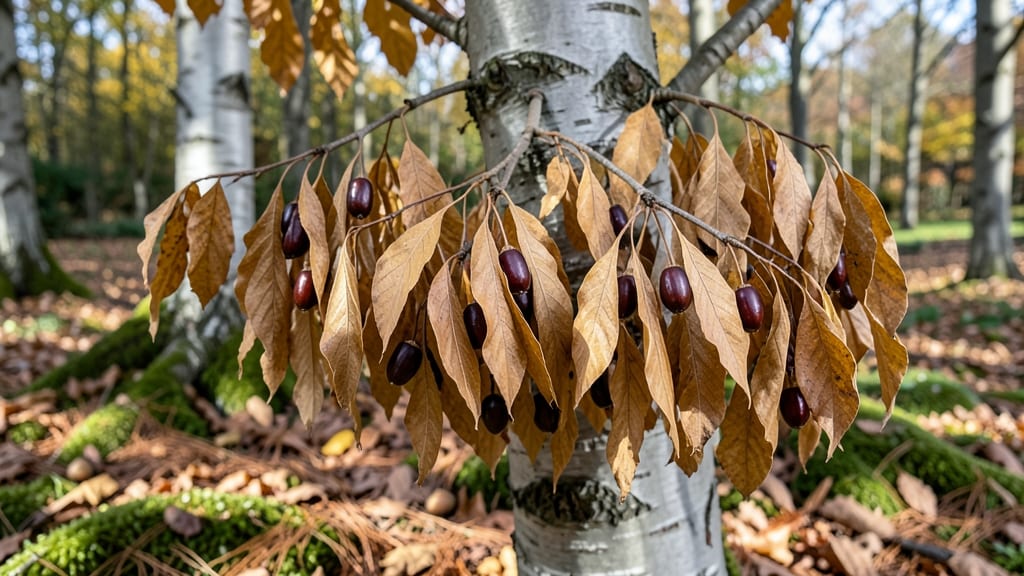
Growing beech trees from seed pods takes patience—but the results are worth it. 🌱 These iconic trees start with a simple trick: breaking dormancy through cold stratification, just like their wild cousins.
I’ve turned fallen seed pods into sturdy saplings that now line my front yard, and I’ll show you how to do the same without losing hope when germination feels slow.
The secret lies in mimicking nature’s timeline. Collect seed pods in fall, store them in damp sand or peat moss, and refrigerate for 3-4 months—this cold treatment tricks the seeds into thinking winter has passed.
Beech seeds need well-draining soil and partial shade at first, but once established, they thrive in full sun. The key is consistency: keep soil moist but never soggy, and expect tiny sprouts in 4-8 weeks—not overnight.
By summer, your seedlings will be ready for their permanent home in the lawn or garden. These trees grow slowly but steadily, reaching 10-15 feet tall in just a few years.
Their glossy leaves and sturdy branches make them a low-maintenance, high-impact addition—perfect for shade lovers or anyone who wants a classic, timeless look. Just be patient; beech trees reward slow and steady care.
Works best in USDA Zones 4-9, but even in warmer climates, the stratification trick boosts success. Avoid planting in heavy clay soil—amend with compost first. With the right prep, you’ll have a grove of beech saplings ready to outlast your lawnmower. Let’s get those pods sprouting!
📚 In This Guide
- What you need
- Instructions
- Tips and common mistakes
- Wrapping up and next steps
What you need
- ● Fresh or dried beech seed pods – Collect 50–100 pods (ensure they’re fully mature and closed).
- ● Plastic storage bag or airtight container – A gallon-sized bag or small Tupperware with a secure seal.
- ● Moistened paper towels or sphagnum moss – Enough to line the bottom of your container (about 2–3 sheets).
- ● Spray bottle with water – For gentle misting (avoid soaking!).
- ○ Small plastic tray or dish – Optional but helpful for organizing multiple batches.
- ● Pruning shears or scissors – For harvesting pods (sterilize with rubbing alcohol first!).
- ○ Thermometer (optional but handy) – To monitor cold stratification temps (ideal: 35–45°F).
- ● Refrigerator space – A dedicated shelf for 4–12 weeks of dormancy.
- ● Patience (the most critical tool!) – Beech seeds take time—think of it as a slow-cooked masterpiece. 🍳
- ● Seed-starting mix – A small bag (5–10 lbs) for transplanting germinated seeds.
- ● Clear plastic wrap – To create a mini greenhouse effect during germination.
- ● Grow lights or sunny windowsill – For post-stratification care.
- ● Labeling tags – To track pod collection dates and stratification progress.
Step-by-Step instructions for germinating beech seed pods
Here’s how I break dormancy and coax these stubborn seeds into sprouts—no fancy equipment needed.
🌱 Step 1: Harvest and Clean the Seed Pods
Collect mature beech seed pods in late fall when they’ve turned brown and split open naturally. Gently shake out the seeds—they’re the glossy, triangular nuts inside. I like to soak them in warm water for 24 hours to soften the hard outer shell and remove any debris. This also helps identify viable seeds (they’ll sink; floaters are often empty).
After soaking, spread the seeds on a paper towel to dry for 1-2 days in a warm, shaded spot. This prevents mold while keeping them moist enough for the next step. I place them near a sunny window but not in direct light—they’re sensitive to drying out at this stage.
💧 Step 2: Stratify to Break Dormancy
Beech seeds need cold stratification to mimic winter conditions. Mix the dried seeds with slightly damp sphagnum moss (or a 50/50 mix of moss and perlite) in a sealed plastic bag. Place the bag in the refrigerator for 6-8 weeks at 35-40°F. Check the moss weekly—it should stay damp but not soggy.
Don’t skip this step. Without stratification, seeds may take years to germinate—or never sprout at all. I mark the bag with the date and set a reminder to check for sprouts after 8 weeks. If you forget, no worries—just keep them cold until spring.
☀️ Step 3: Sow in Warmth for Germination
After stratification, remove the seeds from the fridge and sow them ¼ inch deep in a tray filled with well-draining potting mix. I use a 50/50 blend of potting soil and perlite to prevent rot. Water gently until the soil is moist but not waterlogged—beech seeds hate soggy conditions.
Place the tray in a warm spot (70-75°F) with bright, indirect light. A seedling heat mat helps speed up germination, which can take 4-12 weeks. Watch for tiny green shoots—this is your cue to keep the soil consistently moist but never drenched. If the surface dries out, germination slows or stops.
🌿 Step 4: Transplant Seedlings to Outdoor Beds
Once seedlings have 2-3 true leaves (not just the initial seed leaves), they’re ready for their first move. Harden them off by placing them outside in partial shade for 2-3 hours daily, gradually increasing time over 10-14 days. This toughens their stems for full sun.
Plant them in well-draining soil with partial sun exposure (they tolerate shade better than full sun at first). Space seedlings 6-8 inches apart—beech trees grow slowly but can live for centuries, so give them room. Water deeply after transplanting to help roots establish.
⏰ Step 5: Maintain for Long-Term Growth
Young beech seedlings need consistent moisture but no standing water. Mulch around the base with 2-3 inches of organic mulch (like wood chips) to retain soil moisture and suppress weeds. Avoid fertilizing in the first year—beech trees are sensitive to overfeeding.
After 2-3 years, you’ll see the classic beech leaves—elliptical with wavy edges. This is when they’re ready to handle full sun and drier conditions. Patience is key—beech trees grow slowly but reward you with stunning fall foliage and sturdy shade in decades to come.
Tips & tricks for perfect beech seed pod germination
These little-known tricks will help you bypass the toughest hurdles in growing beech trees from seed pods.
Timing Secret: When harvesting seed pods in Step 1, aim for pods that have already begun to split open naturally—this means they're at the perfect ripeness. If you collect them too early, the seeds inside won't be fully developed. The 24-hour soak isn't just about cleaning; it's your chance to test viability. Discard any seeds that float—they're empty husks that won't germinate.
Temperature Matters: For Step 2's cold stratification, consistency is key at 35-40°F. I use a small refrigerator set to its coldest setting, but if your fridge fluctuates, place a thermometer inside the bag. The moss should stay damp like a wrung-out sponge—never soggy. If condensation forms inside the bag, open it briefly to air out. This mimics natural winter conditions perfectly.
Germination Strategy: In Step 3, when sowing your stratified seeds, don't be tempted to bury them deeper than ¼ inch. Beech seeds need light to trigger germination, and deeper planting can prevent sprouting. Use a fine mist spray bottle to water—this prevents disturbing the soil surface where the tiny seeds are nestled. The 70-75°F warm spot should be near a south-facing window but out of direct sunlight to prevent overheating.
Transplanting Wisdom: The 2-3 hour daily hardening off in Step 4 is crucial but can be tricky with delicate seedlings. Start with just 1 hour on the first day, then gradually increase. I place my seedlings on a shaded porch or under a tree where they get dappled sunlight. This prepares them for their permanent home without shocking their systems—especially important since beech trees are sensitive to transplant shock.
Pro Tips for Beech Seed Pods
- These little-known tricks will help you bypass the toughest hurdles in growing beech trees from seed pods.
- Timing Secret: When harvesting seed pods in Step 1, aim for pods that have already begun to split open naturally—this means they're at the perfect ripeness.
- Temperature Matters: For Step 2's cold stratification, consistency is key at 35-40°F.
Frequently asked questions
Got questions about beech seed pods?
You’re not alone! Here are some of the most common queries—and their answers—to help you grow a thriving lawn with these unique blooms.
1. How long do beech seed pods take to germinate?
Beech seed pods (or mast) can take anywhere from 4 weeks to 6 months to germinate, depending on conditions. Cold stratification (simulating winter) for 30–90 days often speeds up the process. Patience is key—some seeds may even wait until spring!
2. Do I need to soak beech seed pods before planting?
No soaking is required, but a quick 24-hour water soak can soften the hard shell and improve moisture absorption. After soaking, plant them in well-draining soil and keep the area lightly moist. Over-soaking can cause rot, so don’t drown them!
3. Can I use beech seed pods from the ground for planting?
Wild-harvested seed pods are perfect for planting. Just remove any debris, ensure they’re intact, and follow your dormancy-breaking method (like cold stratification). Pro tip: Collect pods in fall for the best freshness!
4. Why aren’t my beech seed pods sprouting?
Common culprits include poor soil drainage, too much heat, or skipped dormancy steps. Try these fixes:
- Move pots to a cooler spot (50–60°F ideal).
- Ensure soil is moist but not soggy.
- Re-stratify seeds if stored too long.
5. Are beech seed pods invasive or harmful to my lawn?
Nope! Beech trees (Fagus spp.) are non-invasive and their seed pods won’t smother grass. However, if you’re aiming for a neat lawn, consider planting them in borders or wooded areas. Their slow-growing nature makes them a low-maintenance addition!
Wrapping up and next steps
Beech seed pods may seem tricky at first, but with patience and the right techniques—like stratification and proper planting—you can unlock stunning lawn-ready blooms! 🌱 Whether you're a seasoned gardener or just starting, these tips will help you break dormancy and nurture healthy growth.
Now that you’re armed with the know-how, why not give it a try? Grab those pods, follow the steps, and watch your lawn transform into a lush, natural masterpiece!