
Lawn
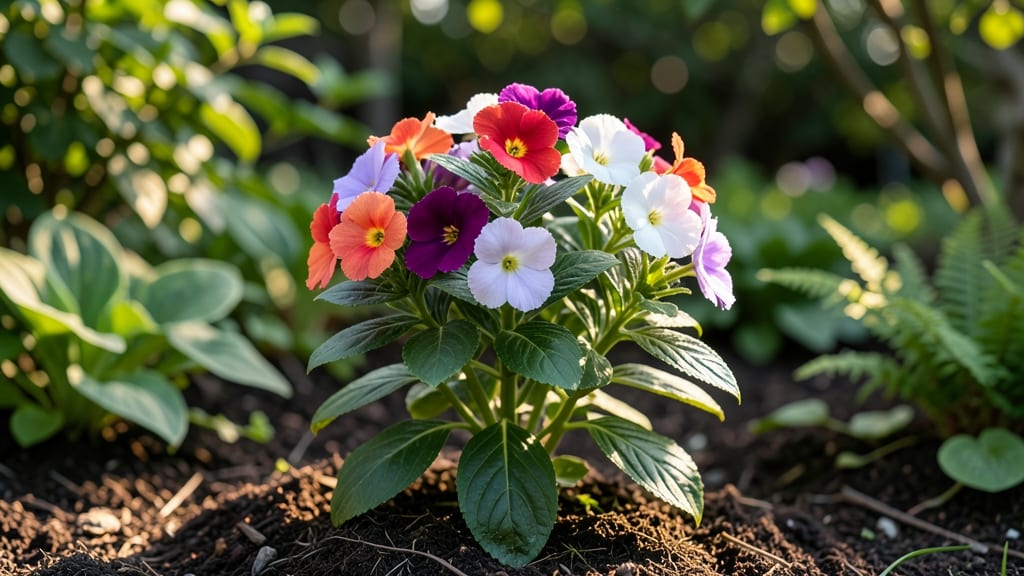
American Seed Impatiens transform shady spots into vibrant explosions of color—6 weeks from seed to bloom. 🌱 I planted mine last spring under my oak tree, and within weeks, the ground was covered in cheerful pink, red, and white blooms that lasted until frost.
These shade-loving beauties aren't just pretty; they're resilient, thriving where other plants give up.
Starting them is simpler than you'd think: sow seeds indoors in late winter or direct-sow after your last frost date. They love rich, moist soil and gentle shade, making them perfect for patios, under trees, or along fences.
Just keep the soil consistently damp (not soggy) and watch those seedlings pop up in about 10-14 days.
Once established, these impatiens practically grow themselves—just pinch back leggy stems and deadhead spent blooms to encourage more flowers. They're pest-resistant too, so you won't waste time fighting off aphids or beetles. By midsummer, you'll have a lush, blooming carpet that brightens even the darkest corners of your yard.
Here's the best part: they self-seed easily, so you might find new volunteers popping up next year. Whether you're filling a shady bed or adding a pop of color to a container, these impatiens deliver foolproof results with minimal effort. Ready to bring some sunshine to your shade?
📚 In This Guide
- What you need
- Instructions
- Tips and common mistakes
- Wrapping up and next steps
What you need
- ● American Seed Impatiens Seeds: 50–100 seeds (check the packet for exact quantities—more seeds = more blooms!)
- ● Seed Starting Mix: 1–2 gallons of lightweight, well-draining potting soil (avoid garden soil—it’s too dense!)
- ● Seed Trays or Small Pots: 2–4 cell packs or 3–4" pots (one per seedling or a few seeds per cell)
- ● Grow Lights or Sunny Windowsill: A full-spectrum LED grow light (12–16 hours/day) or a south-facing window (if natural light is strong)
- ● Misting Spray Bottle: For gentle watering (avoid drowning those tiny seeds!)
- ○ Plastic Dome or Clear Bag: To create humidity (optional but helpful for germination)
- ● Fertilizer: A balanced water-soluble fertilizer (5-10-5 or 10-10-10, diluted to half-strength)
- ● Heat Mat: Keeps soil warm (70–75°F) for faster germination (especially useful in cool climates)
- ● pH Test Kit: Ensures soil pH is between 6.0–7.0 (ideal for impatiens)
- ● Transplant Tray: Larger containers (6–8") for moving seedlings outdoors
- ● Epsom Salt: A pinch (1 tsp per gallon of water) can boost magnesium for healthier blooms!
Step-by-Step instructions for growing american seed impatiens
Here’s how to get vibrant, blooming impatiens in just six weeks—no green thumb required.
🌱 Step 1: Start Seeds Indoors 8-10 Weeks Before Last Frost
Fill small seedling trays with moistened seed-starting mix (never garden soil—it’s too dense). Press the mix down lightly so it’s firm but not compacted. Scatter 2-3 seeds per cell—they’re tiny, so I use tweezers to place them precisely. Cover with a thin layer of mix, just enough to hide the seeds but not bury them too deep.
Place the tray in a warm spot (70-75°F) with bright, indirect light. A seedling heat mat speeds germination, but a sunny windowsill works too. Mist the soil lightly with water until it’s damp but not soggy. Keep it covered with plastic wrap or a humidity dome until sprouts appear in 7-14 days—you’ll see tiny green shoots pushing through the soil.
💧 Step 2: Provide Consistent Moisture and Light
Once seedlings emerge, remove the cover and move them to a bright, south-facing window or under grow lights for 12-14 hours daily. Impatiens hate drying out, so water gently from the bottom of the tray—let the soil absorb moisture without soaking the leaves. You’ll know it’s right when the top inch feels damp but not wet.
Watch for true leaves (the second set after the initial seed leaves) to appear in 2-3 weeks. This is your cue to fertilize lightly with a balanced, water-soluble fertilizer (half-strength) to encourage strong growth. Avoid overwatering now—yellowing leaves mean you’re drowning the roots.
☀️ Step 3: Harden Off and Transplant Outdoors
About 2 weeks before your last frost date, start hardening off seedlings by placing them outside in a shaded, sheltered spot for 1-2 hours the first day. Gradually increase their outdoor time over 7-10 days, letting them adjust to wind and sun. By the time they’re ready for the garden, they should handle a full day outside without wilting.
Choose a partially shaded spot (morning sun, dappled light, or filtered shade) with well-draining soil. Dig holes twice as wide as the root ball but no deeper—impatiens hate having their crowns buried. Space plants 10-12 inches apart to allow airflow and prevent disease. Water deeply after planting to settle the soil.
🌿 Step 4: Maintain Blooms Through the Season
Keep the soil consistently moist—impatiens wilt fast when dry. Mulch around plants with 2-3 inches of organic mulch to retain moisture and suppress weeds. Fertilize every 2-3 weeks with a balanced liquid fertilizer (follow package rates) to keep blooms coming. Deadhead spent flowers regularly—this encourages more blossoms and keeps plants looking neat.
Watch for aphids or powdery mildew (common in humid shade). If you spot pests, spray with neem oil or a soapy water solution. Avoid overhead watering—it spreads disease. By 6 weeks after transplanting, you’ll have a lush, blooming plant ready to brighten up your shady spots.
Tips & tricks for growing vibrant impatiens
Between us, these little shade-lovers are easier to grow than most people think—once you know the tricks. Here's what nobody tells you about keeping them thriving from seed to bloom.
Seed-Placement Precision: Those tiny impatiens seeds are like confetti—easy to scatter too thickly. I use a toothpick to gently press each seed into the seed-starting mix rather than just sprinkling. This ensures better germination rates and prevents overcrowding later. In Step 1, when you're planting those 2-3 seeds per cell, use the toothpick method to create slight indentations for each seed.
Lighting Secret: The 12-14 hours of daily light in Step 2 is non-negotiable for strong seedlings. If your south-facing window isn't bright enough, supplement with a basic LED grow light placed just 6 inches above the plants. I've seen weak, leggy seedlings from insufficient light—trust me, it's worth the investment. The key is maintaining that consistent light exposure without burning the tender leaves.
Harden Off Gradually: That 7-10 day hardening process in Step 3 can't be rushed. I start with just 1-2 hours on the first day, then add 30 minutes each subsequent day. Watch for wilting—the plant's way of saying "too much, too soon." If you notice this, move them back indoors for a few hours and try again the next day. The goal is to let them acclimate to outdoor conditions without shock.
Mulching Magic: The 2-3 inches of organic mulch mentioned in Step 4 does more than retain moisture—it regulates soil temperature and prevents those pesky weeds. I like to use shredded leaves or straw mulch because they break down slowly. Apply it right after transplanting, keeping it 2-3 inches away from the stems to prevent rot. This simple step can make the difference between struggling plants and thriving blooms.
Pro Tips for American Seed Impatiens
- Between us, these little shade-lovers are easier to grow than most people think—once you know the tricks.
- Seed-Placement Precision: Those tiny impatiens seeds are like confetti—easy to scatter too thickly.
- Lighting Secret: The 12-14 hours of daily light in Step 2 is non-negotiable for strong seedlings.
Frequently asked questions
How long do American Seed Impatiens take to bloom after planting?
With proper care, these vibrant beauties typically burst into color in 6–8 weeks from seed. For faster blooms, start seeds indoors 8–10 weeks before your last frost date. Once planted outdoors, keep soil consistently moist and fertilize lightly every 2–3 weeks to encourage steady growth.
Can American Seed Impatiens grow in full sun?
While they tolerate morning sun, these impatiens thrive in partial to full shade (2–6 hours of sunlight daily). Too much direct sun—especially in hot climates—can cause leaf scorch or faded blooms. A north-facing spot or dappled shade under trees is ideal for their brightest displays.
What pests commonly attack American Seed Impatiens, and how do I prevent them?
Watch for aphids, spider mites, and slugs, which love tender impatiens leaves. To deter pests:
- Handpick slugs at dawn (drop them in soapy water).
- Spray leaves with neem oil weekly for aphids/mites.
- Mulch with shredded bark to reduce slug hiding spots.
Are American Seed Impatiens annuals or perennials?
These impatiens are tender annuals, meaning they’ll die back with frost. However, they self-seed prolifically in mild climates (zones 9–11), often returning the next year. For cooler areas, save seeds or replant fresh packets yearly for continuous color.
What’s the best alternative if my impatiens fail to thrive?
If your impatiens struggle with disease (like downy mildew) or pests, try these shade-loving low-maintenance swaps:
Plant
Why It Works
Begonias (Wax or Angel Wing)
Disease-resistant, thrives in humidity, and blooms all season.
Fuchsias
Vibrant flowers, tolerates shade, and attracts pollinators.
Heuchera (Coral Bells)
Stunning foliage, drought-tolerant once established.
For a similar care-free vibe, Caladiums (elephant ears) add bold foliage without the fuss!
Wrapping up and next steps
Growing American Seed Impatiens is a rewarding way to add vibrant, low-maintenance color to your shady spots in just six weeks! 🌿 With the right soil, consistent moisture, and a little patience, you’ll enjoy blooms from spring until frost.
Whether you’re a beginner or a seasoned gardener, these cheerful flowers are a fantastic choice for containers, borders, or hanging baskets.
Ready to transform your garden? Start with seeds today—plant them indoors now or directly in the ground after the last frost. Watch your shade garden come alive with these easy-care beauties! 🌸