
Flowers
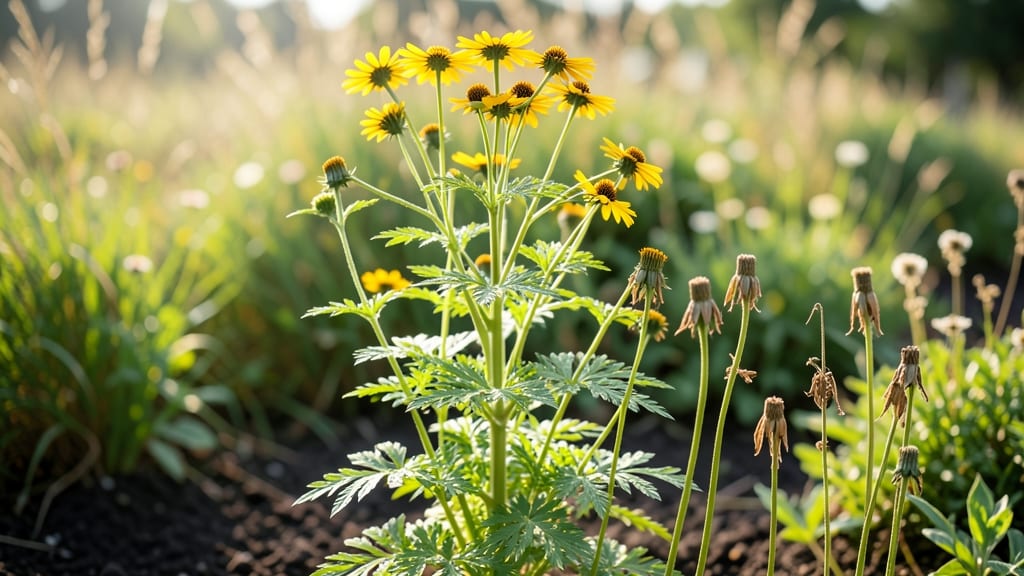
Growing whorled tickseed from seed gives you drought-proof golden blooms that return every year—no replanting needed. 🌻 I’ve watched these cheerful yellow daisies spread effortlessly through my dry garden beds, proving they’re the perfect low-maintenance perennial for sunny spots.
The secret starts with well-draining soil and patience—these tiny seeds need light to germinate, so don’t bury them. Plant them ¼-inch deep in spring after the last frost, and keep the soil barely moist until sprouts appear in 2-3 weeks.
They’ll reward you with bold, papery blooms from early summer straight through fall. Once established, they thrive on neglect: water only when the soil is bone-dry, and deadhead spent flowers to encourage more blooms.
In just one season, you’ll have a self-sustaining patch that spreads naturally, cutting future planting costs to zero. Perfect for rock gardens, borders, or pollinator-friendly meadows, these plants attract butterflies while needing almost no care. Let’s get those seeds in the ground—they’ll take care of the rest.
📚 In This Guide
- What you need
- Instructions
- Tips and common mistakes
- Wrapping up and next steps
What you need
- ● Whorled tickseed seeds: 10–20 seeds (or a small packet for a fuller display). Opt for organic, non-GMO seeds for best results.
- ● Well-draining potting mix: 1–2 gallons (for containers) or amend garden soil with compost (50% soil, 50% compost ratio).
- ○ Containers (optional for starting indoors): 4–6 inch pots with drainage holes (2–3 seeds per pot).
- ● Garden space or large container (12+ inches deep): For mature plants, choose a sunny spot (6+ hours of light daily).
- ● Watering can or hose with a gentle spray nozzle: Avoid overwatering—tickseed thrives in dry conditions!
- ○ Gloves (optional): For handling soil or seeds comfortably.
- ● Trowel or small shovel: For transplanting seedlings into the ground.
- ○ Mulch (optional): 1–2 inches of straw or shredded bark to retain moisture and suppress weeds.
- ○ Pruners (optional): For trimming spent blooms or leggy stems later in the season.
- ● Sunlight access: A south-facing window (if starting indoors) or a full-sun garden bed.
- ● 🌡️ Temperature: Seeds germinate best at 60–70°F (15–21°C). No need for heat mats!
- ● ✨ Drought readiness: Once established, tickseed needs minimal watering—perfect for low-maintenance gardens!
- ● 🎯 Spacing: Plant seeds 6–12 inches apart to allow airflow and prevent mildew.
Step-by-Step guide to growing whorled tickseed from seeds
This drought-tolerant beauty thrives with minimal fuss—just follow these simple steps for vibrant blooms that return every year.
🌱 Step 1: Prepare the Soil and Planting Site
Whorled tickseed (Coreopsis verticillata) loves well-draining soil and full sun—6+ hours daily—so choose a spot with minimal competition from other plants. Amend heavy clay with 1-2 inches of compost to improve drainage, but avoid overly rich soil, which encourages leafy growth over flowers. The ideal planting time is early spring or late summer, when temperatures are mild and moisture is consistent.
Loosen the soil to a depth of 6 inches with a garden fork, breaking up any compacted layers. Since tickseed is drought-resistant, you don’t need to overwork the soil—just ensure it’s loose enough for roots to establish easily. Scatter seeds ¼ inch deep and space them 6-12 inches apart if planting directly in the garden. For larger displays, aim for 10-12 seeds per square foot—they’ll self-seed naturally over time.
💧 Step 2: Water Lightly and Maintain Moisture
After sowing, water the area gently but thoroughly to settle the seeds into the soil. Whorled tickseed seeds germinate best in consistently moist—but not soggy—soil, so aim for 1 inch of water per week, either from rainfall or irrigation. Once seedlings emerge (typically in 10-21 days), reduce watering slightly—these plants despise wet feet and are prone to rot in heavy, compacted soil.
You’ll know moisture is right when the soil surface feels slightly damp to the touch but doesn’t clump when squeezed. Mulch lightly with 1 inch of straw or shredded leaves to retain moisture and suppress weeds, but avoid piling mulch directly against stems. By the second year, your plants will be so established that they’ll thrive on rainwater alone in most climates.
☀️ Step 3: Provide Full Sun and Minimal Fertilizer
Whorled tickseed thrives in full sun, but in hotter climates, it appreciates afternoon shade to prevent leaf scorch. If your plants start looking leggy or flowering poorly, they’re likely getting too much heat stress. The key is bright, direct light for at least 6 hours daily, with protection from intense afternoon rays if temperatures exceed 90°F.
Skip the fertilizer—this perennial does best in lean, well-draining soil. Over-fertilizing leads to weak stems and fewer blooms. Instead, side-dress with ½ inch of compost in early spring to support root growth. Deadhead spent blooms in late summer to encourage a second flush of flowers, but leave some seed heads for self-seeding and winter interest.
✂️ Step 4: Prune and Divide for Long-Term Health
In early spring, cut back last year’s growth by ⅓ to encourage fresh, vigorous shoots. This also improves airflow, reducing the risk of fungal diseases. Whorled tickseed is low-maintenance, but if clumps become overcrowded after 3-4 years, divide them in early spring or fall. Dig up the entire plant, separate the roots into 3-4 inch sections, and replant each division with 2-3 inches of space around it. Water lightly after dividing to help roots establish.
This perennial spreads slowly but steadily, so you’ll rarely need to divide. If you notice fewer blooms or leggy stems, it’s a sign the plant needs more light or a light pruning to reset growth. By mid-summer, you’ll be rewarded with cheerful yellow daisy-like flowers that attract pollinators and last well into fall.
Tips & tricks for perfect whorled tickseed blooms
These simple but game-changing strategies will help you coax the most vibrant, resilient blooms from your whorled tickseed—without the fuss.
Soil Prep Secret: The key to thriving tickseed isn't just drainage—it's aeration. In Step 1, when loosening that 6-inch depth, focus on breaking up any hardpan layers below the surface. I use a garden fork to gently tease apart compacted soil, creating tiny air pockets that roots will love. This is especially important in clay-heavy soils where water pools. Think of it as giving your plants' roots a breath of fresh air before they even sprout.
Germination Timing: Those 10-21 days for seedling emergence can feel like forever, but there's a trick to speed things up slightly. In Step 2, after sowing, place a clear plastic dome or even a sheet of glass over the seeded area for the first 7-10 days. This creates a mini greenhouse effect that maintains consistent moisture and warmth—just remove it once you see the first green shoots. The difference in germination speed is noticeable, though you'll still want to avoid keeping it too wet.
Sunlight Strategy: The 6+ hours of full sun requirement in Step 3 is non-negotiable, but here's how to optimize it: In hotter climates where temperatures exceed 90°F, position your plants so they receive morning sun and afternoon shade. I've found that using a sheer white shade cloth (30-40% shade) on the afternoon side prevents leaf scorch while still allowing plenty of light. This is particularly important during the first growing season when young plants are establishing their root systems.
Pruning Precision: When you're cutting back last year's growth by ⅓ in Step 4, aim to remove only the oldest, most woody stems. Look for stems that are brown or hollow at the center—these are the ones that have outlived their usefulness. The younger, green stems are where next year's blooms will emerge. I like to make my cuts just above a set of healthy leaves or buds, which gives the plant a clean starting point for new growth. This selective approach maintains the plant's natural shape while encouraging vigorous new shoots.
Pro Tips for Whorled Tickseed Seeds
- These simple but game-changing strategies will help you coax the most vibrant, resilient blooms from your whorled tickseed—without the fuss.
- Soil Prep Secret: The key to thriving tickseed isn't just drainage—it's aeration.
- Germination Timing: Those 10-21 days for seedling emergence can feel like forever, but there's a trick to speed things up slightly.
Frequently asked questions
How long does it take for whorled tickseed seeds to germinate?
Germination typically takes 10–21 days in warm soil (60–75°F). Keep seeds moist but not soggy—cover them lightly with soil (¼ inch) and place in a sunny spot. Pro tip: A heat mat can speed up germination if your climate is cool!
Do these seeds need special treatment before planting?
Nope! Whorled tickseed seeds are non-fussy—no scarification or stratification is required. Simply scatter them on prepared soil, press lightly, and water gently. They thrive in average garden soil, even poor or rocky ground.
When is the best time to plant whorled tickseed seeds?
For fastest results, sow seeds in early spring (after the last frost) or late summer (6–8 weeks before your first fall frost). They’re cold-hardy and can even self-seed if left undisturbed. Bonus: Fall planting often yields stronger, hardier plants!
Will whorled tickseed attract pollinators like bees and butterflies?
Absolutely!
These cheerful blooms are a magnet for pollinators, including bees, butterflies, and even hummingbirds. Their long bloom season (summer to frost) keeps your garden buzzing with activity. Plant in clusters for extra appeal!
How drought-tolerant are whorled tickseed plants from seed?
Once established, they’re exceptionally drought-resistant, making them perfect for xeriscaping. Water deeply but infrequently (every 1–2 weeks in dry spells) after planting. Once roots are deep, they’ll thrive with minimal water—ideal for low-maintenance gardens!
Can I save seeds from my whorled tickseed plants for next year?
Yes! Let some flowers go to seed (brown, papery seed heads) before harvesting. Collect seeds in a paper bag, dry them, and store in a cool, dark place. Viability lasts 1–2 years. Fun fact: They often self-seed, so you might get "free" plants!
Wrapping up and next steps
Whorled tickseed seeds offer a low-maintenance, drought-resistant way to add vibrant color to your garden with minimal effort! Their ability to thrive in tough conditions and return year after year makes them a smart choice for both beginners and seasoned gardeners.
Whether you're reviving a struggling landscape or simply looking for hardy blooms, these seeds are your secret weapon.
Ready to transform your outdoor space? Grab your supplies, follow the steps, and watch your garden flourish—one resilient bloom at a time! 🌱✨