
Propagation
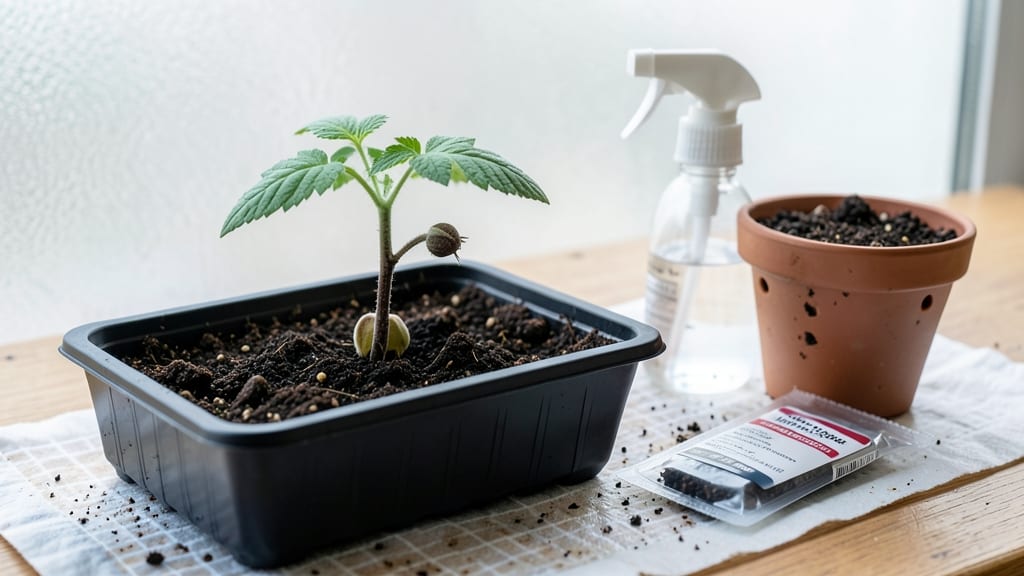
When tomato seed germination feels like waiting forever, warmth and moisture are your secret weapons. 🌱 I’ve watched seeds take their sweet time in cold soil—until I learned these tricks that cut waiting from weeks to days.
The key is creating the perfect cozy environment where tiny roots dare to stretch. You’ll need just a few supplies: a seed-starting tray, moistened seed-starting mix, a clear plastic dome or plastic wrap, and a heat mat or warm spot (like on top of the fridge).
Keep the mix damp but not soggy—think of a wrung-out sponge. Place your tray where it stays between 70-85°F, and watch for sprouts in as little as 5-7 days instead of the usual two weeks.
The moment you see those first green hooks breaking through, move them to bright light (but not direct sun yet). That’s when the real magic happens—strong, stocky seedlings ready to outgrow their nursery rivals. A little patience here pays off with plants that thrive all season.
For troubleshooting, slow sprouts often mean cold soil or dry mix, while mold signals overwatering. Adjust your setup, and you’ll be well on your way to a bumper crop of homegrown tomatoes.
📚 In This Guide
- What you need
- Instructions
- Tips and common mistakes
- Wrapping up and next steps
What you need
- ● Tomato seeds: Fresh, high-quality heirloom or hybrid seeds (10–20 seeds per batch). Seed-starting mix: Lightweight, sterile potting soil (1 bag, ~12–16 quarts). Containers: Seed trays with drainage holes (1–2 trays, 1020-cell size recommended).
- ● OR Small pots (3–4 inches deep, 1–2 per seed).
- ● Watering can or spray bottle: With a fine mist nozzle (to avoid disturbing seeds).
- ● Plastic wrap or humidity dome: To retain moisture (1–2 sheets or 1 dome).
- ○ Heat mat (optional but highly recommended): Germination mat (12"x24" or larger, 70–85°F range).
- ● Grow lights or sunny windowsill: Full-spectrum LED lights (12–16 hours/day) or a south-facing window (6+ hours of sunlight).
- ○ Thermometer (optional): To monitor soil temperature (50–75°F ideal for germination).
- ● Labels & markers: For tracking seed varieties (waterproof labels recommended).
- ● 🌡️ Warmth is key: Seeds germinate fastest at 70–85°F. A heat mat doubles germination speed!
- ● ✨ Sterile soil = happy seeds: Avoid garden soil—it may harbor fungi or pests.
- ● 💧 Moisture matters: Keep soil damp (not soggy) to prevent mold. Mist lightly daily.
How to germinate tomato seeds faster with warmth and moisture
Here’s how I get tomato seeds sprouting in half the time—no fancy equipment needed.
🌱 Step 1: Soak Seeds Overnight for a Head Start
Place your tomato seeds in a small bowl and cover them with lukewarm water for 12 hours. This softens the seed coat and kickstarts germination. You’ll see them swell slightly—this means they’re ready to break through the soil faster. Drain and pat them dry with a paper towel afterward; soggy seeds can rot if planted wet.
I always label a small cup with the variety and date—once you’ve got 20+ seeds, they all start to look the same. Pro tip: Use a mesh bag instead of a bowl to soak seeds if you’re doing multiple varieties at once. Just tie it closed and let it sit in water.
💧 Step 2: Prepare Moist, Warm Soil for Planting
Fill your seed-starting trays with sterile seed-starting mix (not garden soil—it’s too dense and may carry fungus). Moisten it until it’s damp like a wrung-out sponge, but not dripping. Press the soil down lightly so it’s firm but still loose enough for roots to push through. A good test: Squeeze a handful—it should hold together but crumble when you poke it.
Here’s the trick for warmth: Place the trays on a seedling heat mat set to 75-85°F. If you don’t have one, nestle them inside a closed cardboard box with a 60-watt bulb (warm, not cool) inside for 24 hours before planting. The goal is to keep the soil 10°F warmer than room temperature—this speeds up germination from 10-14 days to just 5-7 days.
🌱 Step 3: Plant Seeds Shallow and Cover Lightly
Use a pencil or your finger to poke ¼-inch-deep holes in the soil—about the width of the seed itself. Drop 1-2 seeds per hole (you’ll thin later) and cover them with a thin layer of soil. Press gently so they make contact with the warm mix below. The key is not to bury them too deep—tomato seeds need light to trigger germination, and planting too deep makes them work harder to reach it.
Mist the surface with a spray bottle until the soil looks evenly damp, like a damp sponge. Avoid heavy watering—it’ll wash seeds deeper or create crusty soil that blocks sprouts. I like to tap the tray gently on the table afterward to settle everything without disturbing the seeds.
☀️ Step 4: Maintain Humidity and Warmth Until Sprouts Appear
Cover the trays with a clear plastic dome or plastic wrap to trap warmth and moisture. Check daily but only remove the cover to water if the soil feels dry to the touch. You’ll see condensation on the inside—this is normal and means the environment is just right. Once 50% of seeds have sprouted (usually 3-5 days with warmth), remove the cover immediately to prevent damping-off disease.
Place the trays under a grow light or in a south-facing window (they need 12-14 hours of light daily now). If you notice seedlings stretching toward the light (leggy growth), they’re not getting enough intensity. Move the light closer—it should be 2-4 inches above the tallest sprout. Strong seedlings will have short, thick stems and dark green leaves.
⏰ Step 5: Thin Seedlings and Transition to Light
Once seedlings have 2 true leaves (not the first tiny cotyledons), thin to the strongest one per cell by snipping the weaker ones at the base with scissors. This prevents overcrowding and gives the remaining plants room to grow. Water gently at the base afterward—avoid wetting the leaves to reduce disease risk.
After thinning, move the trays to a sunny windowsill or under grow lights for 14-16 hours daily. Rotate the trays a quarter turn every few days so plants grow straight instead of leaning. You’ll know you’re on track when seedlings develop sturdy stems and compact spacing between leaves—no more leggy, weak growth.
Tips & tricks for faster tomato seed germination
These simple tricks will help your tomato seeds sprout in record time—without any special gear.
Soaking Secret: The 12-hour soak in lukewarm water is your first speed boost. If you're short on time, you can extend this to 24 hours for even faster results, but don't exceed that—longer soaking can damage the seeds. I've found that using a mesh bag makes this process cleaner, especially when handling multiple varieties. Just make sure to drain and dry them thoroughly afterward to prevent mold.
Warmth is Key: That 75-85°F range on your heat mat (or DIY setup) is non-negotiable for speed. I've seen germination times drop from 10-14 days to just 5-7 days when maintaining this warmth consistently. Pro tip: Place a thermometer in the soil to monitor—some DIY setups can get too hot, which actually slows germination. The goal is 10°F warmer than room temperature, not scorching.
Planting Depth Matters: Those ¼-inch holes are perfect—any deeper and your seeds will struggle to reach light, which triggers germination. I've learned this the hard way by planting too deep and getting weak, leggy seedlings. After planting, give the tray a gentle tap on the table to settle the soil without disturbing the seeds. This ensures good seed-to-soil contact for faster root development.
Humidity Hack: The plastic dome isn't just for moisture—it creates a mini greenhouse effect that speeds up the process. Watch for condensation on the inside; this means you've got the perfect humidity level. Once you see sprouts in 50% of your seeds (usually around day 3-5), remove the cover immediately to prevent damping-off disease. This is where many gardeners lose their seedlings—don't skip this step!
Pro Tips for Tomato Seed Germination
- These simple tricks will help your tomato seeds sprout in record time—without any special gear.
- Soaking Secret: The 12-hour soak in lukewarm water is your first speed boost. If you're short on time, you can extend...
- Warmth is Key: That 75-85°F range on your heat mat (or DIY setup) is non-negotiable for speed. I've seen germination ...
Frequently asked questions
Got questions about getting your tomato seeds to sprout like a pro? You’re not alone! Here are some of the most common queries—and their quick, actionable answers—to help you avoid pitfalls and maximize success.
How long does it usually take for tomato seeds to germinate?
With ideal conditions (warmth, moisture, and darkness), tomato seeds typically sprout in 5–14 days. Heirloom varieties can take longer (up to 21 days), while hybrid seeds often germinate faster. If your seeds haven’t sprouted in 3 weeks, they may need replanting or could be non-viable.
What should I do if my tomato seeds aren’t germinating?
First, check your setup: are they too cold? Tomato seeds need warmth (70–85°F). Try placing your tray on a seedling heat mat or near a sunny window. If moisture is the issue, mist the soil lightly—it should stay damp but not soggy. For stubborn seeds, consider a soaking trick: soak seeds in water for 12 hours before planting.
Can I use regular potting soil for tomato seed germination?
While you can use potting soil, it’s not always ideal. Tomato seeds thrive in light, sterile seed-starting mix (like coco coir or peat-based blends) because it drains well and avoids compaction. If you’re using potting soil, mix in 20–30% perlite or vermiculite to improve aeration and moisture control.
Do tomato seeds need light to germinate?
Nope! Seeds germinate best in darkness—light comes after the sprout emerges. Once you see tiny green hooks (the seed leaves), move your tray to a bright, indirect light source (like a south-facing window or grow lights). Until then, keep them cozy and covered.
What’s the best way to store leftover tomato seeds for next year?
Clean, dry seeds last 2–5 years if stored properly. Rinse seeds, pat them dry, and spread them on a paper towel to air-dry for 2–3 days. Store them in a cool, dark place (like a sealed envelope in the fridge) or use a silica gel packet in an airtight container for extra longevity.
Wrapping up and next steps
Mastering tomato seed germination is all about patience, warmth, and a little know-how! With the right setup—like a cozy seedling mat, proper moisture, and indirect light—you’ll watch those tiny sprouts emerge in no time. 🌱
Now that you’re armed with these tricks, give it a try! Start with just a few seeds, experiment with the methods that work best for you, and soon you’ll be harvesting juicy tomatoes straight from your garden. Ready to grow? Let’s get planting! 🌿