
Planting
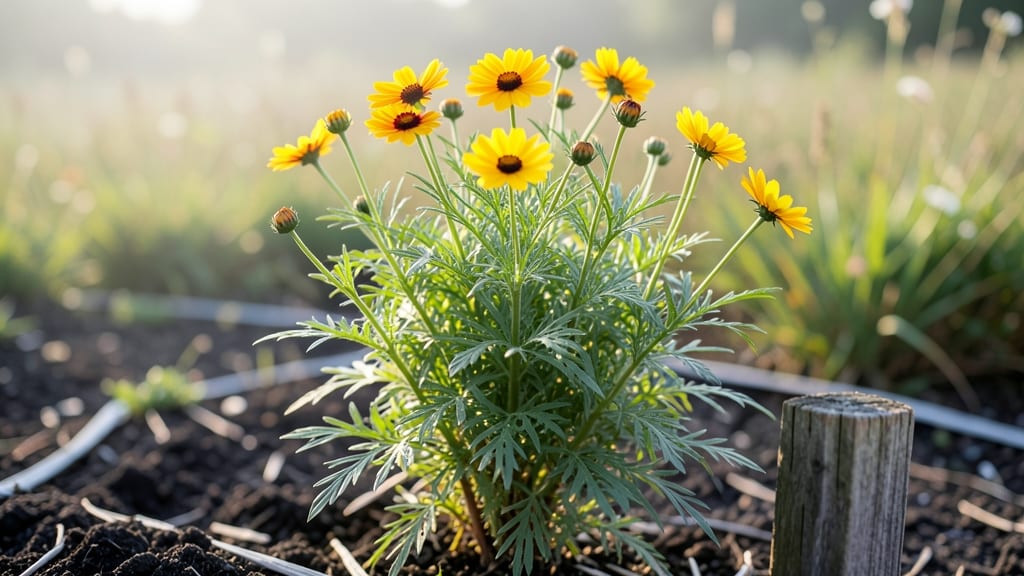
Tickseed plant care is almost effortless once you master their three key needs—these cheerful, daisy-like blooms thrive with minimal fuss. 🌻 I’ve grown Coreopsis and Bidens for years, and they reward even the busiest gardeners with nonstop color from spring through frost. The secret? Well-drained soil, bright light, and occasional deadheading to keep the flowers coming.
Start with sandy loam mixed with compost—tickseeds hate soggy roots. Plant in full sun (at least 6 hours daily), and water only when the top inch of soil feels dry. Overwatering is their #1 enemy, so skip the mulch unless your climate is brutally hot.
Prune back by one-third in early spring to encourage bushier growth, and you’ll get double the blooms by summer.
Pests rarely bother them, but watch for powdery mildew in humid summers—just spray with neem oil if you spot white fuzz. These plants handle drought like champs, making them perfect for low-maintenance borders or cutting gardens. Once established, they’ll self-seed happily, giving you free plants for years.
Pro tip: Deadhead spent blooms regularly to prevent leggy stems and encourage longer flowering seasons. In colder zones, cut back in fall but leave the stems—birds love the seeds! With this care routine, your tickseeds will outperform fussy annuals every time.
📚 In This Guide
- What you need
- Instructions
- Tips and common mistakes
- Wrapping up and next steps
What you need
- ● Tickseed seeds or nursery-grown plants – Choose Coreopsis verticillata (threadleaf) or Coreopsis gigantea (giant) for vibrant blooms.
- ● Well-draining potting mix – A blend of 60% garden soil, 30% perlite, and 10% compost works best.
- ● Containers or garden bed – If potted, use 5-7 inch pots with drainage holes (or larger for mature plants).
- ● Sunlight access – A full-sun spot (6+ hours/day) is a must for thriving tickseed.
- ● Watering can or hose – Keep soil evenly moist (not soggy) during germination.
- ○ Fertilizer (optional but helpful) – A balanced 10-10-10 or slow-release granular fertilizer for established plants.
- ● Pruning shears – For deadheading spent blooms and shaping.
- ● Mulch (straw or shredded bark) – Helps retain moisture and suppress weeds.
- ● Plant supports (for tall varieties) – Stakes or cages for Coreopsis gigantea.
- ● pH testing kit – Tickseed prefers slightly acidic to neutral soil (6.0–7.0).
Instructions for cultivating vibrant tickseed plants
Here’s how I keep my tickseed plants blooming effortlessly year after year—minimal fuss, maximum impact.
🌱 Step 1: Select the Perfect Spot for Sun and Soil
Tickseed thrives in full sun—at least 6-8 hours daily—but tolerates partial shade in hotter climates. I plant mine in well-draining soil with a slightly alkaline to neutral pH (6.0-7.5). Amend heavy clay with 1-2 inches of compost to improve aeration, as tickseed hates soggy roots.
Dig a hole twice as wide as the root ball but only as deep as the container it came in. Gently loosen the roots if they’re circling tightly—this encourages outward growth. The key is to plant at the same depth it was in the nursery pot; burying the stem too deep can cause rot.
☀️ Step 2: Water Deeply but Sparingly
Water tickseed plants deeply once a week during the first month to establish roots, then taper to every 10-14 days once established. Let the top 2-3 inches of soil dry out between waterings—this drought tolerance is why tickseed is so low-maintenance. Overwatering is the fastest way to kill it.
Use a soaker hose or water at the base to avoid wetting the foliage, which reduces fungal risks. Mulch with 1-2 inches of organic mulch (like pine straw) to retain moisture and regulate soil temperature. You’ll notice healthier blooms and fewer pests when the soil stays consistently moist but never soggy.
✂️ Step 3: Prune for Bushier Growth and Continuous Blooms
Deadhead spent blooms by pinching off the faded flowers just above the next set of leaves. This encourages year-round blooming by redirecting energy into new flowers instead of seed production. I prune mine lightly every 2-3 weeks during the growing season to maintain shape and density.
In early spring, give the plant a light trim to remove any dead or leggy growth. Never cut more than 1/3 of the plant at once—tickseed is resilient, but drastic pruning stresses it. After pruning, fertilize lightly with a balanced, slow-release fertilizer to support new growth.
🪴 Step 4: Overwinter with Protection
Tickseed is perennial in USDA zones 9-11, but in colder climates, it dies back to the ground. Mulch heavily with 3-4 inches of straw or leaves before the first frost to insulate the roots. In zones 7-8, I wrap the base of the plant with burlap for extra protection.
In spring, remove the mulch once new growth appears. Resist the urge to fertilize until you see new leaves emerge—this prevents burning tender roots. Tickseed is tough, but a little winter prep ensures it bounces back stronger every season.
Tips & tricks for perfect tickseed plant care
Here's what nobody tells you about keeping your tickseed thriving with almost no effort—once you know these tricks.
Lighting Secret: While tickseed loves those 6-8 hours of daily sun, I've noticed it handles afternoon shade better than morning sun in hot climates. The intense midday rays can scorch the delicate blooms, so if you're in zone 9 or hotter, position your plants where they get morning sun and afternoon shade. This keeps the flowers vibrant longer without sacrificing growth.
Soil Science: That 6.0-7.5 pH range isn't just a suggestion—it's critical for nutrient uptake. I always test my soil before planting and amend with crushed limestone if needed. For container growers, use a cactus/succulent mix with perlite added (about 20% of the mix). The extra aeration prevents that dreaded root rot tickseed hates, while still maintaining proper drainage.
Watering Wisdom: The "let top 2-3 inches dry" rule is gold, but here's the pro move: I water in the early morning only. This gives the soil all day to dry properly and prevents fungal issues from evening moisture. In summer, I actually reduce watering to every 2 weeks—tickseed's drought tolerance is real, and the flowers actually become more vibrant when slightly stressed this way.
Pruning Precision: When deadheading those faded blooms every 2-3 weeks, I use clean, sharp pruners and make cuts at a 45-degree angle just above a leaf node. This angle helps water run off instead of pooling at the cut, which prevents bacterial infections. For spring pruning, I wait until I see at least 2-3 new leaf sets emerging before doing any major trimming—this ensures the plant has enough energy to rebound.
Pro Tips for Tickseed Plant Care
- Here's what nobody tells you about keeping your tickseed thriving with almost no effort—once you know these tricks.
- Lighting Secret: While tickseed loves those 6-8 hours of daily sun, I've noticed it handles afternoon shade better th...
- Soil Science: That 6.0-7.5 pH range isn't just a suggestion—it's critical for nutrient uptake. I always test my soil ...
Frequently asked questions
Got questions about keeping your Coreopsis (tickseed) thriving? You’re not alone! Here are answers to the most common queries—from quick fixes to long-term care tips.
How much sunlight does tickseed need to bloom?
Tickseed plants love sunlight! Aim for 6–8 hours of full sun daily for the best blooms. In hot climates, light shade in the afternoon can prevent wilting. Pro tip: If flowers fade, it might be time to prune or relocate to a sunnier spot!
How often should I water tickseed plants?
Water deeply but infrequently—about once a week (or when the top inch of soil feels dry). Overwatering leads to root rot, so ensure pots or beds have good drainage. Drought-tolerant once established, tickseed thrives with neglect!
When and how should I prune tickseed for more flowers?
Prune in early spring or after blooming to encourage bushier growth. Cut back 1/3 of the plant or trim spent flowers to the next set of leaves. Deadheading (removing faded blooms) keeps them flowering all season!
Are tickseed plants pest-resistant? What should I watch for?
Generally pest-resistant, but keep an eye out for aphids or spider mites (especially in dry heat). Spray with water or neem oil if needed. Deer and rabbits usually avoid them—a bonus for gardeners!
Can I grow tickseed in containers? What’s the best soil mix?
Use a well-draining potting mix with perlite or sand. Containers need larger drainage holes to prevent soggy roots. Mix in compost for nutrients, and fertilize lightly in spring. Bonus: Dwarf varieties like ‘Moonbeam’ thrive in pots!
Wrapping up and next steps
Caring for your tickseed plant is a breeze—just a splash of sunlight, occasional water, and a little love to keep those vibrant blooms thriving year-round! 🌸 Whether you're a seasoned gardener or just starting out, this resilient beauty rewards you with minimal fuss and maximum charm.
Now that you’re armed with the right tips, why not share your newfound expertise with fellow plant lovers or grab a friend and plant one together? Your garden (and your feed) will thank you!