
Lawn
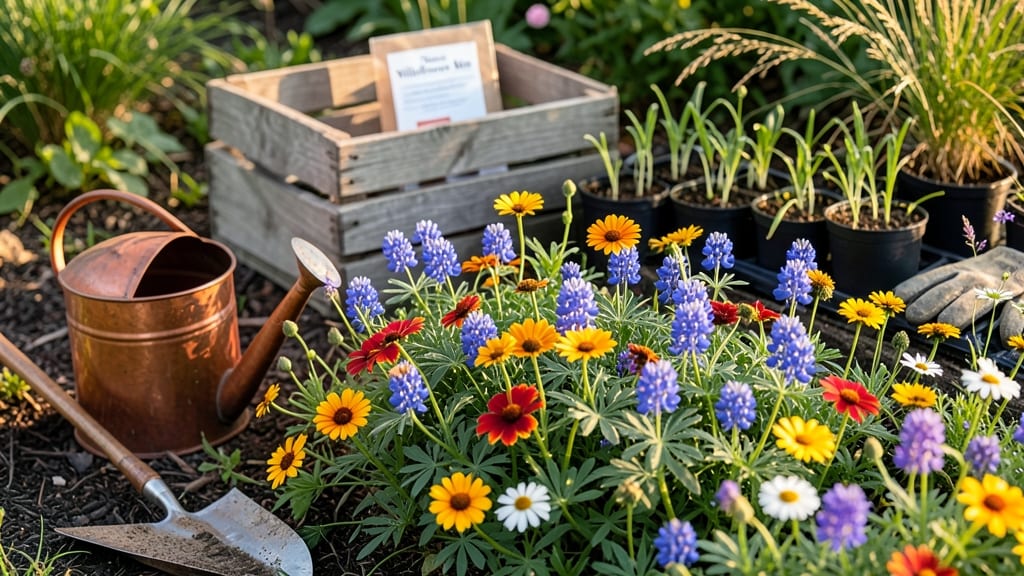
A Texas wildflower seed mix transforms your yard into a buzzing, colorful haven in just 60 days—no green thumb required. 🌻 I planted mine last spring, and by early summer, bees and butterflies were everywhere, while my water bill dropped because these tough plants thrive on rain.
The secret lies in choosing the right mix for your region and giving them a proper start. Texas natives like bluebonnets, black-eyed Susans, and Mexican hat handle our heat and drought like pros. Skip the fancy soil amendments—these flowers love lean, well-draining earth.
Just rake up debris, scatter seeds lightly (they’re tiny!), and press them into the top inch of soil. Water once a week for the first month, then let nature take over. By June, you’ll have a nonstop show of color that lasts until frost.
The blooms attract pollinators all season, and the deep roots prevent erosion while keeping weeds at bay. My neighbors still ask how I got such vibrant flowers with so little effort—now I’ll share the trick with you. Works in full sun to partial shade, from urban yards to rural fields.
Here’s how to make it happen without the guesswork!
📚 In This Guide
- What you need
- Instructions
- Tips and common mistakes
- Wrapping up and next steps
What you need
- ● Texas Wildflower Seed Mix – 1-5 lbs (depending on area size; 1 lb covers ~1,000 sq ft). Opt for a native blend (e.g., bluebonnets, Indian paintbrush, or coreopsis).
- ● Soil – Well-draining, sandy or loamy soil (ideal pH: 6.0–7.5). Amend heavy clay with compost or sand.
- ● Watering Supplies – Hose with gentle spray nozzle or drip irrigation system.
- ● Rake or Cultivator – For loosening soil (avoid tilling to protect roots).
- ● Broadcast Spreader – Handheld or tow-behind for even seed distribution.
- ○ Garden Gloves – Durable, breathable (optional but recommended!).
- ● Straw or Mulch – Lightweight (e.g., pine straw) to retain moisture (1–2 inches).
- ● Sunlight: Full sun (6+ hours/day)—wildflowers thrive in Texas heat!
- ● Timing: Plant in fall (Sept–Nov) for spring blooms or early spring (Feb–March) for summer color.
- ● Location Prep: Clear debris and avoid herbicides (they’ll kill your seeds!).
- ● Wildflower Seed Tape – Pre-spaced seeds for precision planting.
- ● Pollinator Sign – Fun way to celebrate your new habitat!
- ● Soil Test Kit – Check nutrient levels for optimal growth.
Step-by-Step guide to planting Texas wildflower seed mix
Here's how to transform your yard into a buzzing pollinator paradise in just two months.
🌱 Step 1: Prepare the Soil for Best Germination
Choose a sunny location that receives at least 6 hours of direct sunlight daily—wildflowers thrive in full sun. Clear the area of weeds and debris, then loosen the top 4 inches of soil with a rake or tiller. You'll want the soil to be loose enough for seeds to make contact with the earth without struggling to push through compacted layers.
For best results, mix in a thin layer of compost (about ½ inch) to improve soil fertility and moisture retention. This step ensures your wildflowers get the nutrients they need right from the start. Avoid heavy fertilization—wildflowers prefer lean soil that mimics their natural habitat.
💧 Step 2: Scatter Seeds Evenly and Lightly Cover
Spread the Texas wildflower seed mix evenly over the prepared area. Don't worry about precise spacing—wildflowers grow best when densely planted, creating a natural, meadow-like effect. A light hand is key here: scatter seeds at a rate of about 1-2 pounds per 100 square feet. This ensures good coverage without overcrowding.
Once the seeds are scattered, lightly rake the soil to press them into contact with the earth. Cover them with a thin layer of soil—no more than ¼ inch deep. This protects the seeds from drying out while allowing enough light to penetrate for germination. If you're planting in an area prone to erosion, consider using a straw mulch (about ½ inch thick) to hold seeds in place.
☀️ Step 3: Water Gently and Maintain Moisture
Keep the soil consistently moist for the first 2-3 weeks after planting. Water gently with a fine mist or soaker hose to avoid disturbing the seeds. You'll know you're doing it right when the top ½ inch of soil stays damp but not soggy. Overwatering can cause seeds to rot, while underwatering prevents them from germinating.
After the seeds have sprouted, reduce watering to once a week unless you experience a prolonged dry spell. Wildflowers are drought-tolerant once established, but consistent moisture during germination is critical. Avoid watering from above once seedlings emerge—this helps prevent disease and encourages stronger root growth.
⏰ Step 4: Monitor Growth and Thin as Needed
You'll see the first signs of life in about 10-14 days, though some varieties may take up to 3 weeks to germinate. Once seedlings reach 2-3 inches tall, thin them if necessary to ensure each plant has enough space to grow. Wildflowers generally don’t need thinning, but if your area is particularly crowded, remove weaker seedlings to give stronger ones room to thrive.
Watch for signs of pests or disease, such as yellowing leaves or chewed foliage. If you notice these issues, address them promptly with organic solutions like neem oil or by removing affected plants. With proper care, you should see full blooms in about 60 days, turning your yard into a vibrant pollinator haven.
Tips & tricks for planting Texas wildflower seed mix
These simple tricks will help you create a thriving pollinator garden that's both beautiful and easy to maintain.
Sunlight Strategy: While the instructions mention 6 hours of sunlight, I've found that wildflowers actually do best with at least 8 hours of direct sun daily. If your yard has partial shade, consider planting sun-loving varieties like black-eyed Susans in the sunniest spots and shade-tolerant ones like bluebonnets in slightly shadier areas. This layered approach maximizes both bloom time and pollinator appeal.
Soil Prep Secret: Before adding compost in Step 1, I recommend working in a handful of native soil from an area where wildflowers already grow naturally. This introduces beneficial microbes that help seeds establish more quickly. The compost layer should be no deeper than ½ inch—any more can suffocate the small seeds. Think of it like creating a cozy nest for your future blooms.
Watering Wisdom: During the critical 2-3 week germination period, I've discovered that morning watering works best. Watering in the early morning allows excess moisture to evaporate throughout the day, reducing the risk of fungal diseases. Use a rain gauge to measure your watering—aim for about ½ inch of water per week during germination. This consistent moisture is what helps those tiny seeds push through the soil.
Mulch Magic: The straw mulch suggestion in Step 2 is brilliant for erosion control, but here's a bonus tip: color your mulch! Red or black straw mulch can help warm the soil faster in cooler spring planting times, giving your seeds a head start. Just make sure to keep the mulch layer at that recommended ½ inch thickness—any thicker and it might block sunlight needed for germination.
Pro Tips for Texas Wildflower Seed Mix
- These simple tricks will help you create a thriving pollinator garden that's both beautiful and easy to maintain.
- Sunlight Strategy: While the instructions mention 6 hours of sunlight, I've found that wildflowers actually do best w...
- Soil Prep Secret: Before adding compost in Step 1, I recommend working in a handful of native soil from an area where...
Frequently asked questions
When is the best time to plant Texas wildflower seed mix?
The ideal window is late summer to early fall (August–September), when temperatures are warm but rainfall is still reliable. This timing lets seeds germinate before winter, giving them a head start in spring. For a second chance, plant again in March–April—just be sure to keep soil moist until germination (about 7–14 days).
Do I need to till my soil before planting?
Not necessarily! Texas wildflowers thrive in minimal disturbance. Lightly rake or scratch the soil to break up clumps, then spread seeds evenly. For tougher areas, a quick pass with a broadfork (about 2–3 inches deep) helps. Avoid deep tilling—it can bury seeds too deep, slowing germination. Pro tip: Mix seeds with sand (1:4 ratio) for even distribution!
What if I don’t see blooms by 60 days?
Patience is key! While many varieties bloom in 60 days or less, cooler weather or drought can delay flowers. Check your mix’s specific varieties—some (like Mexican Poppy) bloom faster, while others (like Bluebonnet) may take until spring. Troubleshoot: Ensure consistent moisture (1 inch/week) and avoid heavy foot traffic until seeds establish roots (4–6 weeks).
Can I plant wildflowers in containers or small spaces?
Use deep containers (10+ inches) with well-draining soil and plant a small-scale mix (like Bluebonnet + Coreopsis). Add a slow-release fertilizer (5-10-10) to support growth. For urban gardens, try window boxes or vertical planters—just ensure they get 6+ hours of sun daily. Bonus: Container wildflowers attract pollinators too!
How do I keep weeds from overtaking my wildflowers?
Weeds are the #1 challenge, but prevention beats competition! Start with a clean, weed-free area—remove existing weeds before planting. Use mulch (straw or pine needles) lightly to suppress weeds without smothering seeds. Avoid herbicides (they’ll kill wildflowers too). Once established, wildflowers outcompete weeds naturally—just give them 1–2 growing seasons!
Still stumped?
Drop your question in the comments—we’re happy to help your Texas wildflower dreams take root!
Wrapping up and next steps
Transforming your Texas landscape into a vibrant, pollinator-friendly haven is easier—and more rewarding—than you think! With a Texas wildflower seed mix, you’ll enjoy bursts of color, support local ecosystems, and create a low-maintenance oasis in just 60 days.
Whether you’re a seasoned gardener or a curious beginner, this is your chance to make a difference—one bloom at a time.
Ready to get started? Grab your seeds, pick a sunny spot, and let nature do the rest! 🌼🐝 Review the supplies checklist or browse answers to common questions before diving in.