
Size
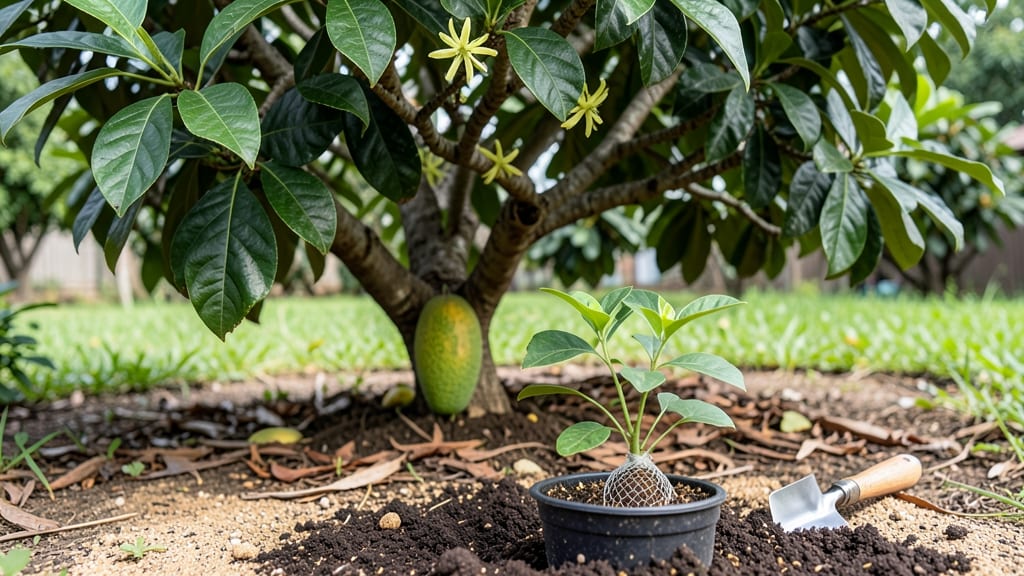
Growing a sugar apple seed in a garden starts with a cold stratification trick that tricks tropical seeds into waking up. 🌱 I’ve struggled with germination before—until I discovered this simple method that mimics the natural rainforest cycle where sugar apples grow wild.
The secret isn’t complicated, but it’s crucial for breaking through that stubborn seed coat.
You’ll need just three things: a plastic bag, a damp paper towel, and your refrigerator. The process takes about 6-8 weeks of patience, but it’s worth it when those first green shoots appear.
Sugar apples love warmth and humidity once they sprout, so we’ll keep them cozy after stratification—no more guessing games about whether your seeds will ever grow.
By the time you’re ready to transplant, you’ll have sturdy seedlings that handle the move like pros. The real payoff? A tree that can produce fragrant, custard-like fruit within 3-5 years—if you give it the right start. That first bloom is the sweetest reward after all that waiting.
This method works whether you’re in a warm climate or a cooler zone, as long as you have a sunny spot for the mature tree. Let’s get those seeds sprouting—your future sugar apple harvest depends on it!
📚 In This Guide
- What you need
- Instructions
- Tips and common mistakes
- Wrapping up and next steps
What you need
- ● Sugar apple seeds: 3–5 fresh, plump seeds (harvested from ripe fruit or purchased from a reputable supplier). Pro tip: 💡 Store seeds in a paper towel in the fridge until ready to plant!
- ● Cold stratification setup: Small paper towels or dampened coffee filters
- ● Plastic bag or airtight container (e.g., ziplock bag)
- ● Refrigerator with a crisper drawer (for 6–8 weeks)
- ○ Potting mix: 1–2 gallons of well-draining, sterile potting soil (e.g., Miracle-Gro Moisture Control or coconut coir blend). Optional: Mix in perlite or vermiculite (20% by volume) for aeration.
- ● Containers: Seedling trays (72-cell) or small pots (3–4 inches in diameter)
- ○ Optional: Biodegradable peat pots for easy transplanting
- ● Grow lights or sunny windowsill: A full-spectrum LED grow light (e.g., SPYDERMAN Grow Lights) or a south-facing window (6+ hours of indirect light daily).
- ● Watering can or spray bottle: With a fine mist nozzle for gentle hydration.
- ● Humidity dome or plastic wrap: To retain moisture during germination.
- ○ Temperature: Ideal germination range is 70–85°F (21–29°C). Use a seedling heat mat (optional) if your home runs cooler.
- ● Humidity: Maintain 60–70% humidity during germination. A hygrometer helps monitor levels.
- ● Space: Sugar apples thrive in USDA Zones 10–11 but can be grown in containers and moved indoors in cooler climates.
- ● Seedling fertilizer (e.g., Fish Emulsion at ½ strength) for faster growth.
- ● Epsom salt (1 tsp per gallon of water) for magnesium boost during early growth.
- ● Garden twine and stakes for supporting vines as they mature.
- ● Pest control: Neem oil or insecticidal soap (preventative measure for aphids/mealybugs).
How to cold stratify sugar apple seeds for guaranteed germination
Cold stratification mimics winter's natural process—here's how to trick sugar apple seeds into breaking dormancy reliably.
🌱 Step 1: Clean and Prepare the Seeds
Remove any remaining pulp from the seeds and rinse them under cool water to remove any residual fruit. Sugar apple seeds have a hard outer shell that needs to soften before germination. Place them in a bowl of lukewarm water for 24 hours—this helps loosen the seed coat and kickstarts hydration.
After soaking, gently rub the seeds between two paper towels to remove any remaining moisture. This step is critical because damp seeds won’t stratify properly. You’ll notice the seeds feel slightly softer after soaking, which is your cue they’re ready for the next phase.
❄️ Step 2: Mix Seeds with Moist Growing Medium
Take 4 paper towels and dampen them with water until they’re moist but not dripping. Fold them into quarters and place the sugar apple seeds between the layers. This creates a controlled environment where moisture stays consistent without drowning the seeds.
Wrap the folded towels tightly and secure them with a rubber band. Place the wrapped towels in a ziplock bag and seal it loosely—you want some airflow to prevent mold. Label the bag with the date and store it in your refrigerator’s crisp drawer, where temperatures stay around 35-45°F.
⏰ Step 3: Stratify for 6-8 Weeks
Cold stratification requires patience—sugar apple seeds need 6-8 weeks in the fridge to break dormancy. Check the seeds every 2 weeks by unwrapping the towels briefly. You’re looking for signs of softening or slight swelling, which means the seed coat is weakening.
During this time, avoid opening the bag too often. Every time you disturb the seeds, you risk drying them out or introducing warm air, which can halt the stratification process. If you notice any mold or foul odors, discard the seeds immediately and start fresh.
🌱 Step 4: Test for Germination Readiness
After 6-8 weeks, remove the seeds from the fridge and gently press each one between your fingers. If the seed coat feels noticeably softer and the seed itself appears slightly swollen, it’s ready for planting. If some seeds still feel hard, give them 2 more weeks of stratification.
For the final test, place a few seeds in a small container of warm water for 12 hours. If they sink to the bottom (rather than floating), they’re fully hydrated and ready to germinate. This step ensures you’re not planting seeds that might still be dormant.
☀️ Step 5: Plant Stratified Seeds in Warmth
Fill a small pot with well-draining potting mix and plant the stratified seeds ½ inch deep. Sugar apple seeds germinate best in 75-85°F soil temperatures, so place the pot on a seedling heat mat if your home runs cooler. Keep the soil consistently moist but never soggy.
Cover the pot with a clear plastic dome or plastic wrap to retain humidity, then place it in a warm, bright spot. Germination can take 2-4 weeks, so be patient. Once the first true leaves appear, remove the dome and gradually introduce the seedlings to indirect light to prevent shock.
Tips & tricks for perfect sugar apple seed stratification
Here's what nobody tells you about getting those stubborn sugar apple seeds to break dormancy—these tricks make all the difference.
Soaking Secret: That 24-hour lukewarm water soak in Step 1 isn't just about cleaning—it's about weakening the seed coat. Use water that's warm to the touch (around 85°F) to maximize hydration without cooking the seeds. I've found that adding a pinch of sea salt to the water helps prevent bacterial growth during this critical phase.
The Towel Technique: When wrapping your seeds in the 4 damp paper towels, fold them into a tight rectangle rather than a loose bundle. This creates even pressure distribution that mimics natural seed burial. I also recommend using two layers of towels—one to hold the seeds, one as a moisture barrier—to maintain consistent dampness without sogginess.
Temperature Matters: Your refrigerator's crisp drawer should stay between 35-45°F, but if you're unsure, use an appliance thermometer. Cold stratification works best at these temperatures because they simulate winter conditions. Pro tip: If your fridge runs warmer, place a small fan near the bag to create gentle airflow while keeping the seeds cool.
Germination Test: That 12-hour warm water test in Step 4 is your final quality check. If seeds float, they're still dormant—give them 2 more weeks of stratification. If they sink immediately, they're ready to plant. I've had success adding a drop of dish soap to the water to help break surface tension and reveal true readiness more clearly.
Pro Tips for Sugar Apple Seed In Grow A Garden
- Here's what nobody tells you about getting those stubborn sugar apple seeds to break dormancy—these tricks make all the difference.
- Soaking Secret: That 24-hour lukewarm water soak in Step 1 isn't just about cleaning—it's about weakening the seed coat.
- The Towel Technique: When wrapping your seeds in the 4 damp paper towels, fold them into a tight rectangle rather than a loose bundle.
Frequently asked questions
Got questions about growing sugar apple seeds? You’re not alone!
Here are some of the most common concerns—plus straightforward answers to help you cultivate success in your garden.
How long does cold stratification take for sugar apple seeds?
Cold stratification typically requires 60–90 days in the fridge (35–40°F) to mimic winter conditions. Place seeds in a damp paper towel inside a sealed bag, then check monthly for sprouting. Pro tip: If you’re impatient, some gardeners use a moisture-controlled seed starter with a heating mat to speed up germination after stratification.
Can I grow sugar apple seeds without cold stratification?
While possible, success rates drop dramatically without stratification. Sugar apples (Annona squamosa) are tropical and rely on cold to break dormancy. If you skip this step, soak seeds in warm water for 24 hours first, then plant in well-draining soil. But expect slower germination (weeks to months) and weaker seedlings.
What’s the best soil mix for sugar apple seedlings?
Use a light, airy blend of:
- 50% peat moss or coconut coir
- 30% perlite or vermiculite
- 20% compost
Why aren’t my sugar apple seeds sprouting after stratification?
Common culprits:
- Improper moisture: Seeds need consistent dampness (not wet). Use a spray bottle to mist.
- Temperature swings: Keep fridge temps stable (35–40°F). Avoid freezer sections!
- Old seeds: Sugar apple seeds lose viability after 1–2 years. Test freshness by cutting one open—if it’s hard and dry, it’s good.
If all else fails, try scarification (lightly sanding the seed coat) to help water penetrate.
How long until a sugar apple tree produces fruit from seed?
Patience is key! Sugar apple trees grown from seed take 3–5 years to bear fruit—longer than grafted varieties. To speed things up:
- Choose a fast-growing variety like ‘Sugar Apple’ or ‘Custard Apple’.
- Plant in a warm, sunny spot (full sun to partial shade).
- Fertilize lightly with citrus-specific nutrients (high in potassium) once established.
Pro tip: Grafting a mature branch onto your seedling can cut fruit time to 1–2 years!
Wrapping up and next steps
Growing sugar apple trees from seed is a rewarding journey that combines patience with the joy of nurturing life from scratch. By mastering cold stratification and providing the right conditions, you’ll unlock reliable blooms and lush fruit in your garden.
Don’t let challenges discourage you—every gardener starts somewhere, and your sugar apple tree will thank you for the care!
Ready to take the next step? Once your seeds sprout and seedlings thrive, transplant them into a sunny spot in your garden. Keep an eye on their progress, and soon, you’ll be harvesting sweet, fragrant fruit straight from your backyard! 🌱✨