
Lawn
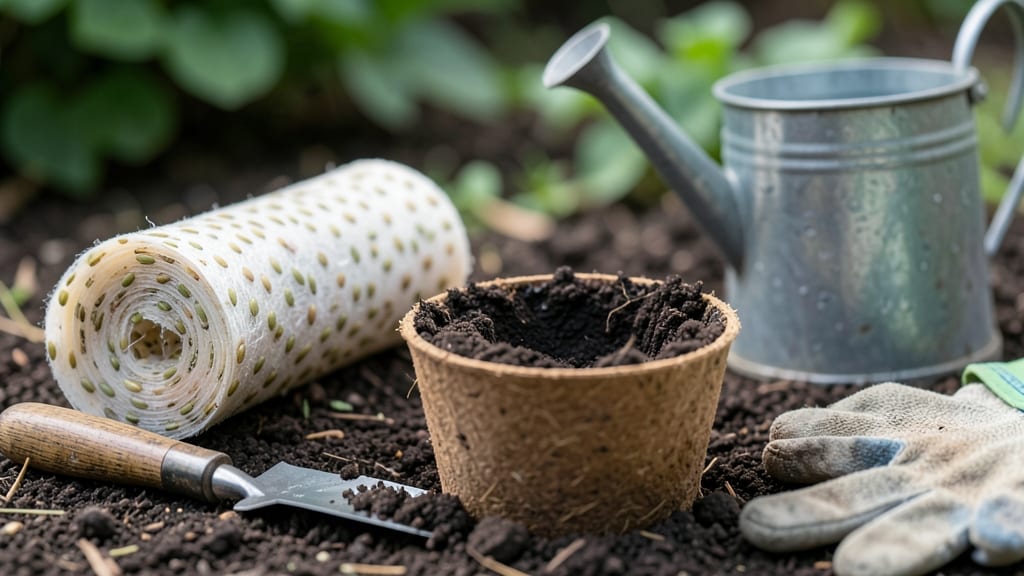
Transforming toilet paper rolls into seed tape is the fastest way to start a weed-free lawn without spending a dime. 🌱 I used to struggle with uneven seed distribution until I discovered this clever hack—now my lawns grow thick and even every single time, with minimal effort.
All you need are toilet paper rolls, grass seed, a bit of water, and a dab of glue (or flour paste for a natural option). The process takes less than 30 minutes and costs pennies compared to store-bought seed tape.
No more patchy lawns or wasted seed—just straight rows that sprout like clockwork. Once you roll the seed-coated paper into the ground, you’ll watch green blades emerge in perfect lines, crowding out weeds before they even get a chance. The best part?
You can customize this for any grass type or even wildflower mixes. Perfect for beginners, small budgets, and anyone tired of thinning seed or weedy lawns. Let’s get those rolls ready for planting!
📚 In This Guide
- What you need
- Instructions
- Tips and common mistakes
- Wrapping up and next steps
What you need
- ● Toilet paper rolls – 2–4 (unbleached, 100% recycled preferred; ~4–6 inches long).
- ○ Seed tape – Pre-cut or DIY (see optional section). Use grass seed blends (e.g., Kentucky Bluegrass, Fescue, or Clover) or wildflower seeds for pollinator-friendly lawns.
- ● Water – A spray bottle (for dampening) or a shallow tray (for soaking).
- ● Scissors or craft knife – For trimming seed tape to size.
- ○ Ruler or measuring tape – To ensure even spacing (optional but helpful).
- ● Glue or flour paste – To secure seed tape to rolls (flour + water = eco-friendly alternative!).
- ● Newspaper or cardboard – For a DIY seed tape base (mix seeds with flour + water, spread on strips).
- ● Plastic wrap – To keep rolls moist while drying (24–48 hours).
- ● Markers or labels – To note seed types (e.g., "Shade-Tolerant Mix").
- ○ Seedling heat mat – For faster germination in cool climates (optional but handy!).
Step-by-Step instructions for creating seed tape toilet paper
Here's how to transform empty toilet paper rolls into weed-free lawn starters in under an hour!
🌱 Step 1: Gather Supplies and Prep the Rolls
You'll need 4 empty toilet paper rolls, a roll of seed tape (or DIY with seeds and flour paste), and a pair of scissors. First, flatten each roll by gently pressing along its length—this creates a flat surface for planting. I like to do this over a trash can to catch any loose paper fibers. Once flat, cut the roll diagonally from one corner to the opposite corner, creating a diamond shape. This gives you a perfect planting template that fits standard lawn spacing.
Lay the flattened, cut rolls on a clean surface. You'll see they now resemble a long, narrow rectangle with a pointed end—ideal for creating straight, weed-blocking seed lines. If any edges fray, use a little water to dampen them and press them flat again. This ensures your seed tape will stick properly later.
💧 Step 2: Apply Seed Tape to the Rolls
Unroll your seed tape and carefully align it along the center of each flattened toilet paper roll. The tape should run from the pointed end to the opposite corner, covering the entire diagonal line. Press firmly but gently to adhere it—you want it to stick without tearing. If you're using homemade seed tape (seeds glued with flour paste), let it dry completely first to prevent smudging.
Here's the thing—don't overlap the seed tape on the edges. You'll see a small border of plain toilet paper around the seeds. This border acts as a natural barrier that discourages weeds from encroaching on your new lawn. Once the tape is secure, fold the toilet paper roll back into its original cylindrical shape, but this time, keep the seed tape on the outside. The seeds will now be protected inside the roll, ready for planting.
☀️ Step 3: Plant the Seed Tape Rolls
Dig shallow trenches in your prepared lawn area, about ½ inch deep, using a rake or garden knife. Space the trenches 6-12 inches apart, depending on your grass type. Gently press each seed tape roll into the trench, seed-side down. The pointed end should face the direction you want the grass to grow—this helps create a neat, uniform look. Cover the rolls lightly with soil, just enough to hold them in place but not bury the seeds completely.
Water immediately after planting. You'll see the soil around the rolls darken slightly as it absorbs moisture. Keep the area consistently moist for the first 2-3 weeks—this encourages even germination and prevents the rolls from drying out. The toilet paper will break down naturally over time, leaving your grass to fill in the gaps.
🌿 Step 4: Monitor and Maintain for Weed-Free Growth
Check your newly planted seed tape rolls in 7-14 days—you'll notice tiny green shoots pushing through the soil. This is your signal that germination is working! Once the grass reaches about 2 inches tall, you can remove the toilet paper rolls entirely. They'll dissolve with minimal disturbance to the roots. I like to do this on a damp morning so the soil stays moist during the process.
Continue watering as needed, but avoid heavy foot traffic for at least 4-6 weeks. The seed tape method naturally suppresses weeds because the dense planting blocks sunlight from reaching weed seeds. If you see any weeds popping up, pull them by hand before they compete with your grass. Within 6-8 weeks, you'll have a lush, even lawn with minimal effort!
Tips & tricks for perfect seed tape lawn starters
Real talk: This method is a gardener's secret weapon—here's how to make it foolproof every time.
Prep Like a Pro: When flattening your toilet paper rolls in Step 1, use a rolling pin or heavy book to press them evenly. This creates a perfectly smooth surface for the seed tape to adhere to without gaps. I learned this the hard way after struggling with uneven rolls that let seeds slip off during planting. Also, keep a damp paper towel handy—it's perfect for smoothing any rough edges that might prevent the seed tape from sticking properly.
Seed Tape Adhesion Hack: For homemade seed tape (using flour paste), let it dry completely on a wire rack before applying to the rolls. If you're in a hurry, use a hairdryer on low heat to speed up the drying process. This prevents smudging when you press it onto the toilet paper. Pro tip: Apply the seed tape to the rolls while they're still slightly damp from flattening—this creates a natural adhesive bond that's stronger than store-bought tape.
Planting Precision: In Step 3, use a level to ensure your trenches are perfectly straight before pressing in the seed tape rolls. This creates a uniform look and prevents uneven growth patterns. I like to mark my trench lines with a garden hose before digging—just lay it out where you want the grass to grow, then follow that path. The hose creates a natural guide that's easy to follow with your rake.
Weed Prevention Boost: After planting, sprinkle a thin layer of mulch around (but not over) the seed tape rolls. This extra barrier helps block weeds even more effectively. I use shredded leaves or straw—both break down naturally and add nutrients to the soil. Just avoid piling it too thickly, or you might suffocate your new grass shoots during germination.
Pro Tips for Seed Tape Toilet Paper
- Real talk: This method is a gardener's secret weapon—here's how to make it foolproof every time.
- Prep Like a Pro: When flattening your toilet paper rolls in Step 1, use a rolling pin or heavy book to press them evenly.
- Seed Tape Adhesion Hack: For homemade seed tape (using flour paste), let it dry completely on a wire rack before applying to the rolls.
Frequently asked questions
Got questions about using seed tape toilet paper to start your lawn? You're not alone! Here are some of the most common queries—and their answers—to help you get started with confidence.
Can I use any toilet paper for seed tape?
Nope! Only unbleached, 100% recycled toilet paper works—it breaks down safely in soil without leaving harmful residues. Avoid scented or dyed brands, as they may contain chemicals that could inhibit seed germination or harm plants.
How long does it take for grass to sprout?
With seed tape, you’ll typically see sprouts in 5–14 days, depending on grass type, weather, and soil conditions. Keep the area moist (but not soggy) for the first 2–3 weeks. Cool-season grasses (like fescue) may germinate faster than warm-season varieties (like Bermuda).
What if my seed tape doesn’t stick to the ground?
If your tape keeps curling or lifting, try these fixes:
- Lightly dampen the tape before pressing it down—moisture helps adhesion.
- Use a small roller or garden tool to press the tape firmly into the soil.
- Consider a lightweight weed barrier cloth underneath for extra grip (remove after germination).
Is seed tape toilet paper cheaper than buying grass seed?
Yes! A single roll of toilet paper (about 500 sheets) can cover 200–300 sq. ft. when used as seed tape, while pre-mixed grass seed blends often cost $1–$3 per sq. ft. For small patches or odd-shaped areas, it’s a budget-friendly hack.
What if weeds grow instead of grass?
Weeds are more likely if your soil isn’t prepped well or if you use low-quality seed. To minimize weeds:
- Start with weed-free soil (till or lay cardboard first).
- Use high-quality grass seed (like Kentucky Bluegrass or Fescue).
- Apply a pre-emergent herbicide after grass sprouts (but before weeds germinate).
Can I reuse leftover seed tape?
Nope! Once the tape is exposed to moisture, it starts breaking down. Store unused seed tape in a cool, dry place (like a sealed baggie) for up to 3 months, but don’t reuse it—fresh tape ensures better germination rates.
Wrapping up and next steps
Transforming your lawn into a lush, weed-free paradise doesn’t have to be complicated—seed tape toilet paper proves it! This clever, eco-friendly hack saves time, money, and effort while delivering stunning results.
Whether you’re a gardening newbie or a seasoned green thumb, this method makes lawn care effortlessly fun. 🌱
Ready to take the next step? Grab your supplies, roll up those sleeves, and give your lawn the upgrade it deserves. Start small—even a single patch of seed tape can make a big difference. Happy planting! 🌟