
Lawn
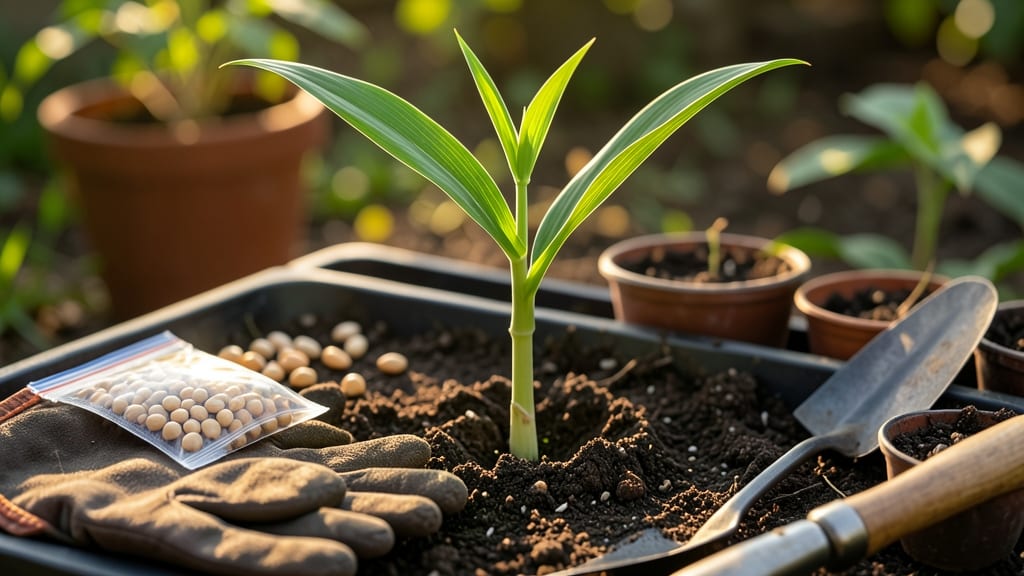
Growing maize from seed feels like unlocking a piece of history in your backyard. 🌱 The key to those first cold-stratified sprouts in just 60 days starts with the right soil prep and timing—no fancy equipment needed, just patience and the right technique.
I’ve watched these sturdy stalks go from tiny seeds to towering plants, and the process is simpler than most gardeners think.
The secret lies in moist, well-draining soil mixed with compost, planted 1 inch deep and spaced 12 inches apart in rows. Maize loves warmth—wait until soil reaches 60°F before planting—and keep it consistently moist but not soggy.
Sunlight is non-negotiable: full sun (6+ hours daily) is the difference between thriving plants and sad, leggy seedlings.
By day 60, you’ll see strong, 4-6 inch sprouts pushing through the soil, ready to take over your garden. The real magic happens when those first tassels appear—proof you’ve done it right. Even if some seeds take longer to germinate, don’t panic; maize is forgiving once it gets going.
This method works for both backyard plots and containers, though larger spaces let those stalks stretch their legs. Whether you’re growing sweet corn, dent corn, or popcorn varieties, the same principles apply. Let’s get those seeds in the ground—and watch them grow!
📚 In This Guide
- What you need
- Instructions
- Tips and common mistakes
- Wrapping up and next steps
What you need
- ● Maize seeds: 10–20 high-quality, non-GMO seeds (choose heirloom or hybrid varieties like Golden Bantam or Country Gentleman for best results).
- ● Cold-stratification setup: 1 small resealable plastic bag (quart-sized)
- ● 1 cup damp peat moss or coco coir (moist but not soggy)
- ○ 1 paper towel or seedling mat (optional, for extra moisture)
- ● Growing containers: 1–2 seedling trays (with drainage holes) or biodegradable pots (2–3 inches deep)
- ● High-quality potting mix (sterile, seed-starting blend)
- ○ Garden space: A sunny spot (6+ hours of direct light daily) or a grow light (optional for indoor starts).
- ● Basic tools: Small hand trowel or spoon
- ● Spray bottle (for gentle watering)
- ● Measuring cup (for soil/moisture checks)
- ○ Optional (but helpful) tools: Seedling heat mat (to maintain warmth during germination)
- ● Humidity dome or plastic wrap (to retain moisture)
- ● pH tester (ideal soil pH: 6.0–7.0 for maize)
- ● Fertilizer (balanced 10-10-10 or organic compost tea)
- ● Prerequisites: Access to a refrigerator (for cold stratification, 34–40°F / 1–4°C for 7–14 days)
- ● Patience! Maize seeds need consistent care—no rushing the process.
Step-by-step guide to growing cold-stratified maize sprouts
Cold-stratifying maize seeds jumpstarts germination and ensures sturdy, vigorous sprouts in just 60 days.
🌱 Step 1: Select and Prepare Maize Seeds
Choose organic, non-GMO maize seeds for best results. I like to soak them overnight in lukewarm water to soften the outer husk—this speeds up germination later. Drain and pat them dry with a paper towel until they feel slightly damp but not wet. This step is crucial because dry seeds can take weeks longer to sprout.
Place the seeds in a single layer on a clean tray or paper towel. Cover them lightly with another towel to maintain moisture without suffocating them. Keep them in a cool, dark place (like a fridge) for 24-48 hours—this mimics natural winter chilling and breaks dormancy. You'll know they're ready when they develop a tiny white root tip.
❄️ Step 2: Cold-Stratify for 4-6 Weeks
Transfer the pre-soaked seeds to a sealed container with a damp paper towel lining the bottom. I use a small plastic bag with holes poked in the lid to allow airflow. Store this in your refrigerator's crisp drawer, where temperatures hover around 35-40°F—this cold treatment mimics winter conditions and signals the seed it's time to grow.
Check the seeds every 7-10 days to ensure the towel stays moist but not soggy. If condensation forms inside the container, open it for 30 minutes to air out. After 4 weeks, you'll see the first signs of sprouting: tiny white roots or a slight swelling. This is your cue that stratification is working—don't rush to plant them yet. Let them stay in the fridge for another 2 weeks to fully harden off.
☀️ Step 3: Plant Sprouted Seeds in Warmth
Fill 4-inch pots with a light, well-draining mix (I use a 50/50 blend of potting soil and perlite). Plant the cold-stratified seeds 1 inch deep, spacing them 2 inches apart to give roots room to establish. Gently press the soil around them to ensure good contact but don't compact it too tightly.
Place the pots in a warm, sunny location (like a greenhouse or a south-facing windowsill) where temperatures stay above 65°F. Maize loves warmth, and this ensures the sprouts won't shock. Water lightly from the bottom to avoid disturbing the seeds, and keep the soil consistently moist but never waterlogged. You'll see the first true leaves emerge in 7-10 days—this is your signal that germination is underway.
🌿 Step 4: Transplant and Support Growth
Once the seedlings reach 4-6 inches tall and develop 3-4 sets of leaves, it's time to transplant them into larger containers or directly into the garden. Choose a spot with full sun (6+ hours daily) and well-draining soil. Dig holes twice as wide as the root ball to encourage root spread, and space plants 12 inches apart for optimal airflow.
After transplanting, water deeply to settle the soil and reduce transplant shock. Mulch around the base with 1-2 inches of organic matter to retain moisture and suppress weeds. Maize is a heavy feeder, so side-dress with compost or balanced fertilizer every 4-6 weeks to support rapid growth. Watch for tassels (male flowers) to appear—this is your cue that the plant is ready for pollination and eventual harvest.
Tips & tricks for perfect cold-stratified maize sprouts
Here's what nobody tells you about getting maize seeds to sprout like a pro—these tricks cut weeks off your wait time.
Seed Selection Matters: Don't just grab any maize seeds—look for certified organic, non-GMO varieties specifically labeled for sprouting or heirloom corn. I've found that smaller, plump seeds (about the size of a dime) germinate more consistently than larger ones. If you're using dried corn kernels from the grocery store, they won't work—they're too processed and lack the necessary embryo vitality.
Temperature Matters: While the instructions call for 35-40°F during stratification, I've discovered that consistency is more important than hitting that exact range. If your fridge runs cooler (around 32°F), just extend the 4-6 week period by 1-2 weeks—seeds will still break dormancy, just more slowly. The key is maintaining that cool, stable environment without temperature swings.
Moisture Management: The damp paper towel technique works, but here's the secret: use distilled or filtered water instead of tap water. Chlorine and minerals in tap water can inhibit germination. After soaking overnight, I like to squeeze out excess water with a clean kitchen towel—you want the seeds damp but not swimming in water. This prevents mold while keeping them hydrated enough to sprout.
Light Exposure: During the initial 24-48 hour pre-soaking phase, complete darkness is ideal. But after you see those first white root tips, give them 2-3 hours of indirect light daily. This helps prevent leggy sprouts. I use a seedling grow light on low setting for just 15 minutes twice a day—enough to encourage early growth without shocking the seeds.
Pro Tips for Seed Of Maize
- Here's what nobody tells you about getting maize seeds to sprout like a pro—these tricks cut weeks off your wait time.
- Seed Selection Matters: Don't just grab any maize seeds—look for certified organic, non-GMO varieties specifically labeled for sprouting or heirloom corn.
- Temperature Matters: While the instructions call for 35-40°F during stratification, I've discovered that consistency is more important than hitting that exact range.
Frequently asked questions
Got questions about growing maize from seed? You’re not alone! Here are some of the most common queries—and their answers—to help you get started with confidence.
How long does it take for maize seeds to germinate?
Maize seeds typically sprout within 7–14 days under ideal conditions (warm soil, 70–90°F, and consistent moisture). Cold-stratified seeds may take slightly longer—aim for 10–20 days—but patience pays off with sturdy sprouts ready for transplanting in 60 days.
Why aren’t my maize seeds sprouting?
If your seeds refuse to sprout, check these three culprits:
- Temperature: Maize needs warmth—soil below 60°F slows germination. Use a heat mat if needed.
- Moisture: Keep soil damp (not soggy) with a spray bottle or light watering.
- Freshness: Old seeds (over 1 year) lose viability. Test with a float test—sinkers are good!
Can I plant maize seeds directly in the ground?
Yes! For faster growth, direct-sow seeds 1–1.5 inches deep after all frost risk has passed (soil temp ≥60°F). Start indoors 4–6 weeks before last frost for a head start. Just ensure your growing season is long enough—maize needs 90–120 days to mature.
What’s the best alternative if maize seeds fail to grow?
Try these low-maintenance options for a similar harvest:
- Sweet corn: Faster-maturing (60–80 days) and sweeter when picked young.
- Teosinte: Maize’s wild ancestor—hardier but slower-growing.
- Sorghum: Drought-resistant and versatile for grain or syrup.
Need a quick win? Polenta corn varieties like ‘Golden Bantam’ are beginner-friendly!
How do I know when maize plants are ready to harvest?
Harvest when:
- The silks turn brown (7–10 days after pollination).
- Ears feel firm when squeezed—no give = overripe.
- Leaves near the ear dry out (but don’t remove them yet!).
For sweet corn, pick when kernels milk (creamy liquid oozes when pierced). Store ears in the fridge for up to a week or freeze for long-term use.
Wrapping up and next steps
Growing maize from seed is a rewarding journey that connects you to nature’s bounty—and yes, you can harvest cold-stratified sprouts in just 60 days! 🌱 With the right soil, patience, and a few pro tips, you’ll soon enjoy vibrant plants (or even fresh corn if you’re lucky!).
Whether you’re a backyard gardener or a lawn enthusiast, this guide gives you the tools to succeed.
Ready to plant? Grab those seeds, mark your calendar, and watch your garden transform. Next up: Start small—try a few pots or a dedicated patch—and let your green thumb shine! 🌟