
Lawn
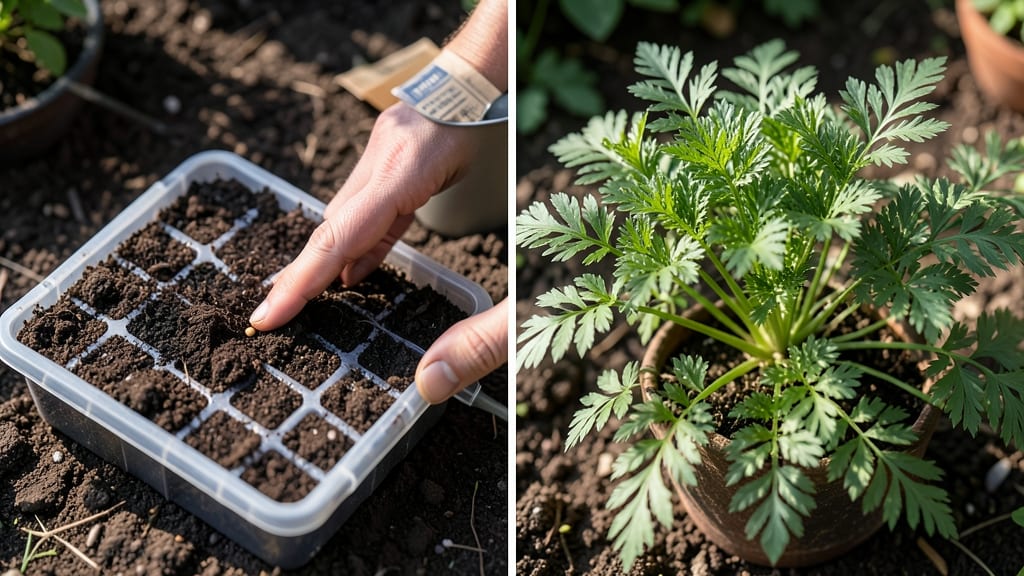
Harvesting carrot seeds from overripe roots unlocks a treasure trove of heirloom varieties you can't buy in stores. 🌱 I've saved seeds from my own garden for years, and the process turns what would be compost into next year's planting stock—plus, it's cheaper than buying seeds annually.
The secret starts with letting a few carrots mature on the plant until they turn woody and split open, revealing tiny black seeds. You'll need patience (it takes about 60 days after flowering) and a dry, shady spot to spread the seeds out for proper drying.
Most gardeners skip this step, but saving seeds connects you to the cycle of growing in a way store-bought seeds never can.
Once dried, you'll have enough seeds to plant a new crop next spring—enough for a 50-foot row from just one mature carrot. The flavor stays true to the parent plant, and you avoid the genetic modifications found in many commercial seed mixes.
Plus, it's a great way to preserve rare varieties that might disappear from seed catalogs.
This method works best in cooler climates where carrots naturally bolt, but even in warm areas, you can trick them into flowering by reducing water and fertilizer. Just be prepared for a smaller harvest while saving seeds—it's all about balance between eating and preserving.
📚 In This Guide
- What you need
- Instructions
- Tips and common mistakes
- Wrapping up and next steps
What you need
- ● Overripe or mature carrot roots: At least 5–10 carrots (preferably organic, non-hybrid varieties like Nantes, Danvers, or Chantenay for best seed viability).
- ● Look for wrinkled, soft, or split skins—signs of maturity!
- ● Pruning shears or sharp knife: For cleanly slicing the tops off the carrots.
- ● Paper towels or clean cloth: For drying the carrot tops after harvesting.
- ● Small mesh bags or paper envelopes: For storing seeds (e.g., breathable cotton or muslin bags to prevent mold).
- ● Labeling tags or markers: To note the carrot variety and harvest date.
- ● Patience! 🕒 Seed drying and ripening can take 2–4 weeks—don’t rush it!
- ● Desiccant packets (silica gel): To speed up drying in humid climates (place in the seed bag).
- ● Seed viability test kit: To check if your seeds are still good before planting.
- ● Notebook or garden journal: To track seed germination rates and future planting tips!
- ● Humidity-controlled storage: Like a cool, dark pantry (50–60% humidity) for long-term seed preservation.
Step-by-step guide to harvesting carrot seeds
Turn those overripe carrots into next year’s crop with this simple, rewarding process.
🌱 Step 1: Select and Prepare Overripe Carrots
Choose fully mature, overripe carrots that have gone woody or developed a tough core—these are your best seed sources. Avoid any with soft spots or signs of rot, as diseased tissue can spread to your new plants. Cut the tops off just above the root, leaving a 3-4 inch stem attached. This stem is where the seed heads will form.
Place the carrots in a shallow tray of lukewarm water so the cut ends are submerged. Let them soak for 24 hours—this rehydrates the root and jumpstarts the seed production process. You’ll see tiny green shoots emerge from the stem within a few days, signaling the plant is reviving. Real talk: if no sprouts appear after a week, your carrot was too far past its prime.
☀️ Step 2: Provide Ideal Growing Conditions
Move the tray to a spot with 6-8 hours of direct sunlight daily. A south-facing windowsill or greenhouse works best. Keep the water level just high enough to cover the cut ends—you want the roots moist but not soggy. After 7-10 days, you’ll notice the stems thicken and develop small buds where the leaves used to be.
Here’s the thing—carrot seed production needs consistent warmth. If your home dips below 60°F at night, the buds may not mature properly. A heat mat or sunny windowsill helps maintain steady temperatures. Watch for tiny yellow flowers to bloom on the stem—this is your cue that seed formation is underway.
🌿 Step 3: Harvest and Dry the Seed Heads
Once the flowers bloom, they’ll produce tiny, flat seeds that look like tiny black specks. Let the seed heads fully dry on the plant—this can take 4-6 weeks depending on your climate. You’ll know they’re ready when the seed pods turn brown and brittle. Gently twist the dried seed head off the stem and place it in a paper bag.
Don’t rush this step. Seeds harvested too early won’t germinate well. I like to hang the seed heads upside down in a dry, dark place for an extra week to ensure all moisture evaporates. This prevents mold and extends seed viability. Once fully dry, rub the seed head between your fingers to release the seeds into the bag.
⏰ Step 4: Store Seeds for Next Season
Label your bag with the carrot variety and the harvest year—seeds lose viability after 2-3 years. Store them in a cool, dark place like a pantry or seed drawer. For extra protection, add a silica gel packet to absorb moisture. You’ll have 4-6 teaspoons of seeds per carrot, enough to plant a small row.
Here’s the moment that matters: Test a few seeds in spring to confirm germination. Plant them ¼ inch deep in moist soil and cover lightly. Keep the soil consistently damp until sprouts appear—usually within 2-3 weeks. If they don’t sprout, your seeds may need stratification (a cold treatment) or have lost viability.
Tips & tricks for perfect carrot seed harvesting
Transforming overripe carrots into viable seeds takes patience—and these little tricks will help you avoid common pitfalls along the way.
Selection Matters: Don't settle for just any overripe carrot. Look for ones with a noticeably woody texture and a tough core—these are the ones packed with seed potential. I learned this the hard way after trying to harvest seeds from a carrot that was already soft and mushy. The stem should be at least 3-4 inches long to support proper seed head formation.
Temperature Control: That 60°F nighttime minimum isn't just a suggestion—it's crucial for successful seed development. If your home tends to get chilly, place your tray on a heat mat or near a sunny window. I've found that even a 5°F drop below this can delay bud formation by nearly a week. Keep the water just covering the cut ends to maintain consistent moisture without drowning the roots.
Drying Strategy: The extra week of hanging seed heads upside down might feel like overkill, but trust me on this. This final drying step prevents mold and ensures maximum seed viability. I like to use breathable paper bags for this stage—they allow airflow while keeping dust out. Once fully dry, the seeds will easily release when you rub the heads between your fingers, giving you that satisfying crunch.
Germination Test: That 2-3 week germination window is your quality check. If seeds don't sprout within 21 days, they may need stratification (a cold treatment) or have lost viability. For best results, test a small batch of seeds in spring using the ¼-inch depth method. This gives you time to order fresh seeds if needed, rather than discovering germination failures when it's too late for planting.
Pro Tips for Seed Of Carrot
- Transforming overripe carrots into viable seeds takes patience—and these little tricks will help you avoid common pit...
- Selection Matters: Don't settle for just any overripe carrot. Look for ones with a noticeably woody texture and a tou...
- Temperature Control: That 60°F nighttime minimum isn't just a suggestion—it's crucial for successful seed development...
Frequently asked questions
Got questions about harvesting carrot seeds from overripe roots? You’re not alone! Here are some of the most common queries—plus quick, practical answers to help you succeed.
Can I save seeds from any carrot variety?
Not all carrots are open-pollinated or heirloom varieties, which are necessary for true seed-saving. Hybrid or F1 carrots (like many store-bought types) won’t produce viable seeds that replicate their parent plant. Stick to heirloom varieties labeled for seed-saving, like Danvers or Nantes, for reliable results.
How long does it take for carrot seeds to mature after flowering?
After the flower umbels (seed heads) appear, it takes about 4–6 weeks for the seeds to fully mature and dry on the plant. Look for brown, papery seed pods—if they’re still green or soft, give them more time. Patience is key! Harvesting too early can lead to poor germination.
What do I do if my carrot tops bolt before producing seeds?
Bolting (premature flowering) can happen due to heat, drought, or age. If your carrots bolt early, focus on letting the seed heads mature before harvesting. If the roots are already overripe, you can still try saving seeds from the tops—but expect lower yields. For future crops, plant in cooler seasons or use shade cloth to delay bolting.
Are there alternatives if my carrots don’t produce seeds?
Yes! If seed-saving fails, consider these options:
- Buy seeds from a reputable supplier for next season.
- Grow from slips (young carrot seedlings) if you have spare roots.
- Try companion plants like cilantro or parsley to attract pollinators and improve seed set.
Why are my carrot seed heads attracting pests like aphids?
Aphids and other pests love tender seed heads because they’re nutrient-rich. To protect your seeds:
- Spray with neem oil or insecticidal soap.
- Introduce beneficial insects like ladybugs.
- Cover seed heads with fine mesh netting if pests are severe.
Wrapping up and next steps
Harvesting viable seeds from overripe carrot roots is a rewarding way to save money, reduce waste, and grow your own heirloom varieties! With the right tools—like sharp scissors, a drying rack, and patience—you can turn "failed" carrots into a treasure trove of future plants.
Whether you’re a gardening newbie or a seasoned green thumb, this process connects you closer to nature’s cycle and the joy of self-sufficiency.
Ready to turn those overlooked roots into next year’s crop? Start small—try saving seeds from just a few carrots this season—and watch your garden flourish with homegrown confidence! 🌱✨