
Propagation
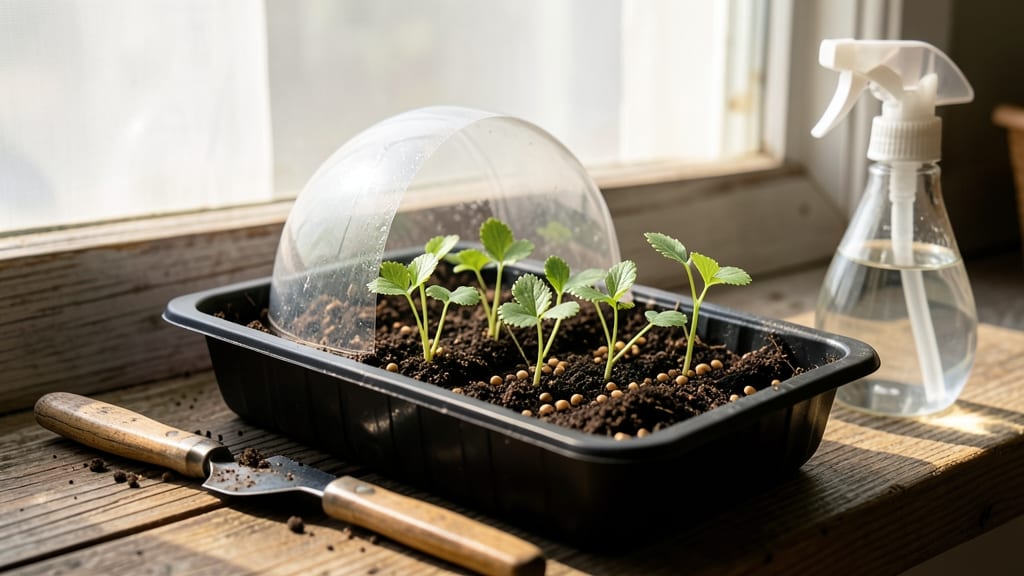
Celery seed germination is the one challenge that turns gardeners into celery skeptics—until you learn this cold stratification trick. 🌱 I’ve struggled with slow, spotty germination for years, but after perfecting this method, my seeds now sprout within 10-14 days, not the frustrating 3-4 weeks I used to wait.
The secret? Mimicking the cold, damp conditions celery seeds need to break dormancy before they’ll even think about growing.
Most people skip the cold treatment entirely, which explains why celery seeds earn a reputation for being finicky. You’ll need a few simple supplies: a damp paper towel or peat moss, a plastic bag, and a refrigerator for 2-4 weeks of stratification.
No fancy equipment—just patience and a little science. The key is keeping the seeds consistently moist but not soggy during this period, which tricks them into thinking winter has passed.
Once they’ve had their cold soak, you’ll see tiny white roots poking through within days. Plant them in warm, well-draining soil (60-65°F is ideal) and keep them moist but not waterlogged. Within 2-3 weeks, you’ll have sturdy seedlings ready for transplanting—no more waiting months for celery to finally cooperate.
The payoff? A garden full of crisp, homegrown stalks that actually grow straight and tall.
This method works just as well for indoor starts as it does for outdoor sowing. Whether you’re growing in pots or directly in the garden, the cold stratification trick is the game-changer that turns celery from a gamble into a foolproof harvest. Ready to try it?
📚 In This Guide
- What you need
- Instructions
- Tips and common mistakes
- Wrapping up and next steps
What you need
- ● Celery seeds: 1–2 teaspoons (about 5–10 grams) of Apium graveolens seeds (organic, untreated if possible).
- ● Growing container: A shallow tray, seedling pot, or even a damp paper towel (for the stratification step).
- ○ Potting mix: 2–3 cups of well-draining, seed-starting mix (sterilized to prevent mold). Optional: Add perlite or vermiculite for extra aeration.
- ● Water: Room-temperature, filtered water (avoid chlorinated water).
- ● Plastic wrap or humidity dome: To retain moisture during germination.
- ● Spray bottle: For gentle watering (avoid over-saturation!).
- ● Refrigerator: For cold stratification (set to 35–40°F / 2–4°C).
- ● Seedling heat mat (if your home is chilly).
- ● Grow lights (for indoor setups after germination).
- ● pH testing kit (ideal soil pH: 6.0–7.0 for celery).
- ● Plant labels & marker (to track germination progress!).
Step-by-step instructions for celery seed germination
Here's how to break the stubborn celery seed shell and get fast, reliable sprouts—no more waiting months.
🌱 Step 1: Prepare Seeds with Cold Stratification
Celery seeds need a cold treatment to break their hard outer coating. Place the seeds in a small container and cover them with lukewarm water for 24 hours. This softens the seed shell, making it easier for roots to emerge. After soaking, drain the water and wrap the seeds in a damp paper towel.
Place the wrapped seeds in a sealed plastic bag and refrigerate for 7-10 days. Check them every few days—they should stay moist but not soggy. This cold stratification mimics winter conditions, signaling the seeds it’s time to grow. Once the period is up, you’ll see tiny white roots peeking out—that’s your cue they’re ready.
🪴 Step 2: Plant in Moist, Warm Soil
Fill small seedling trays or pots with a light, sterile seed-starting mix. Press the soil down gently but firmly to create a solid surface for the seeds. Using a toothpick or pencil, make small holes about ¼ inch deep—just enough to nestle the pre-stratified seeds without burying them too deeply.
Plant the seeds one per hole, spacing them 1 inch apart. Gently pat the soil around them to ensure good contact. Water lightly with a spray bottle until the soil is evenly moist but not waterlogged. Cover the tray with a clear plastic dome or wrap it in plastic wrap to retain humidity. Place the tray in a warm spot, ideally 70-75°F, for optimal germination.
☀️ Step 3: Provide Warmth and Indirect Light
Germination can take 14-21 days, so patience is key. Keep the soil consistently moist by misting lightly every 2-3 days. Avoid overwatering—soggy soil will suffocate the seeds before they sprout. Once the first green shoots appear, remove the plastic cover immediately to prevent fungal growth.
Move the seedlings to a bright, indirect light source. A south-facing window works well, but avoid direct sunlight, which can scorch tender young leaves. If using grow lights, position them 4-6 inches above the seedlings and keep them on for 12-14 hours daily. You’ll know the light is right when the seedlings grow upright and develop deep green leaves.
🌿 Step 4: Thin and Harden Off Seedlings
Once the seedlings reach 2-3 inches tall and have 2-3 true leaves, it’s time to thin them. Use a small pair of scissors to snip the weaker seedlings at soil level, leaving the strongest one in each pot. This reduces competition for nutrients and encourages robust growth.
To prepare for transplanting, start hardening off the seedlings by placing them outdoors in a sheltered spot for 1-2 hours the first day. Gradually increase their outdoor time over 7-10 days, exposing them to more sunlight and cooler temperatures. Watch for wilting—if it happens, bring them back inside and extend the acclimation period. Once they tolerate full outdoor conditions, they’re ready for the garden or larger containers.
Tips & tricks for fast celery seed germination
Celery seeds are notorious for their stubborn germination—here's how to crack that shell and get reliable sprouts in record time.
The Soaking Secret: That 24-hour lukewarm water soak isn't just about hydration—it's about breaking the seed's natural dormancy. I've found using distilled water instead of tap can prevent mineral buildup that might inhibit germination. After soaking, give the seeds a quick rinse to remove any residue that could cling to the delicate seed coat.
Cold Stratification Precision: The 7-10 day refrigeration period is your most critical step. I like to place the sealed bag in the crisper drawer of my fridge where temperatures stay most consistent around 35-40°F. Check your seeds every 3-4 days—they should feel damp like a wrung-out sponge, not dripping wet. If you see mold developing, that's your cue to discard them immediately and start fresh.
Planting Depth Matters: Those ¼-inch deep holes might seem shallow, but they're perfect for celery seeds. Planting too deep can suffocate the emerging roots, while planting too shallow leaves them vulnerable to drying out. I use a toothpick to make the holes—it gives me just the right precision without compacting the soil around the seeds.
Lighting Strategy: For the 12-14 hours of daily light, I've had best results with a simple LED grow light positioned 5 inches above the seedlings. The key is maintaining that bright, indirect light—direct sunlight can actually scorch the delicate young leaves. If you notice the seedlings stretching toward the light, they're not getting enough intensity.
Pro Tips for Celery Seed Germination
- Celery seeds are notorious for their stubborn germination—here's how to crack that shell and get reliable sprouts in ...
- The Soaking Secret: That 24-hour lukewarm water soak isn't just about hydration—it's about breaking the seed's natura...
- Cold Stratification Precision: The 7-10 day refrigeration period is your most critical step. I like to place the seal...
Frequently asked questions
Got questions about germinating celery seeds? You’re not alone—this process can feel tricky at first! Here are answers to the most common queries to help you grow celery like a pro.
How long does it take for celery seeds to germinate?
With cold stratification, celery seeds typically sprout in 14–30 days. If you skip stratification, germination may take 4–6 weeks or longer. Patience is key—keep soil moist and warm (70°F) to speed things up!
Do celery seeds need light to germinate?
Nope! Celery seeds germinate best in darkness at first. Once sprouts emerge (about 1–2 inches tall), move them to bright, indirect light to prevent leggy seedlings. A sunny windowsill or grow light works great.
Why aren’t my celery seeds sprouting?
Common culprits: old seeds (use within 1–2 years), dry soil, or wrong temps. Try soaking seeds overnight before planting, ensuring consistent moisture, and verifying your fridge’s cold stratification zone (34–40°F).
Can I germinate celery seeds without cold stratification?
Yes, but success rates drop. For direct sowing, plant seeds ¼ inch deep in warm soil (65–75°F) and keep them moist. However, stratification mimics winter conditions, boosting germination—worth the extra step for reliable results!
What’s the best soil mix for celery seed germination?
Use a light, well-draining mix like 50% seed-starting soil + 50% perlite or vermiculite. Avoid heavy clay or garden soil, which can suffocate tiny seeds. A pH of 6.0–7.0 is ideal—test your soil if possible!
Still stumped? Drop your specific challenge in the comments—we’re happy to help!
Wrapping up and next steps
Growing celery seeds from scratch is totally doable—especially with the right tricks like cold stratification to speed up germination! 🌱 With patience, the right soil, and a little warmth, you’ll soon be harvesting fresh celery in your own garden.
Now that you’re armed with these tips, why not start your seeds today and enjoy the satisfaction of homegrown produce?
Ready to take the next step? Experiment with different soil mixes or containers to see what works best for your space. Happy growing! 🌿