
Lawn
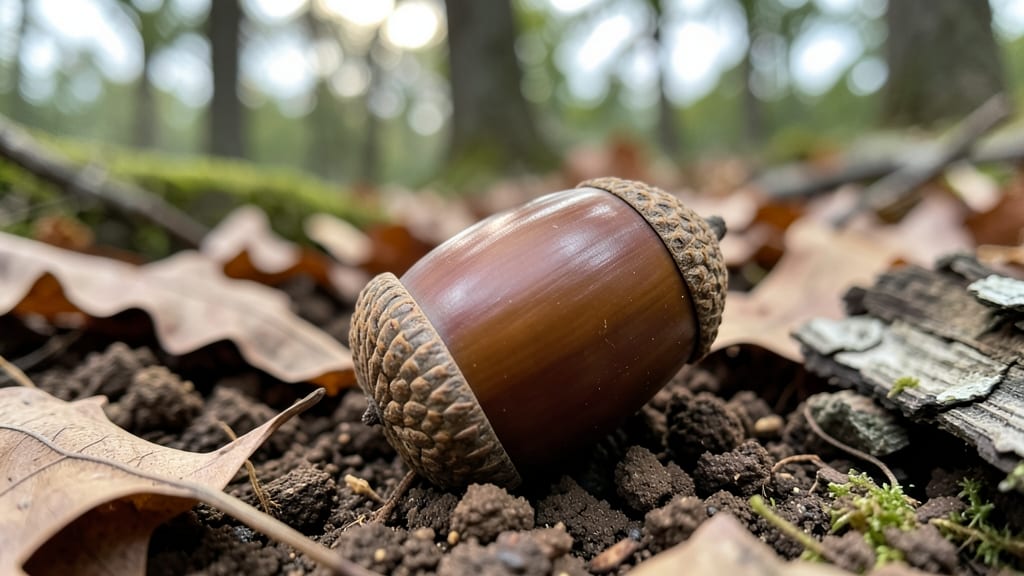
Growing an oak tree from the seed of an oak means planting a legacy that could outlive you. 🌳 The journey starts with the right acorn—fresh, plump ones from mature oaks have the best chance to grow into towering giants.
I’ve nurtured acorns into saplings that now shade my backyard, and the secret lies in patience, not pressure.
First, you’ll need to stratify the acorn—mimicking winter’s cold to break dormancy. Toss them in a damp paper towel, seal in a plastic bag, and refrigerate for 90-120 days. Skip this step, and germination rates plummet.
After stratification, plant the acorn ½-inch deep in well-draining soil, keeping it moist but not soggy. A small pot or nursery bed works best for the first year.
By spring, you’ll spot the first true leaves—tiny, lobed, and unmistakably oak. Keep the soil consistently moist (but never waterlogged) and protect young seedlings from deer or rabbits.
In 3-5 years, your sapling will be ready to transplant outdoors, where it can grow into a 100-foot giant given time and space.
This isn’t a quick fix—oaks take decades to mature—but the payoff is a living monument that future generations will thank you for. Start with one acorn, and you’re planting a future. Here’s how to make it thrive.
📚 In This Guide
- What you need
- Instructions
- Tips and common mistakes
- Wrapping up and next steps
What you need
- ● Fresh acorns: 3–5 mature, plump acorns (preferably from a healthy oak tree—Quercus species like white oak or red oak). Avoid acorns with holes or cracks!
- ● Potting soil: 1–2 bags of high-quality, well-draining potting mix (look for a blend labeled for seed starting or seedlings).
- ● Small pots or containers: 3–5 biodegradable pots (3–4 inches deep) or plastic nursery pots with drainage holes.
- ● Watering can or spray bottle: For gentle moisture control—avoid overwatering!
- ● Clear plastic wrap or humidity dome: To create a mini greenhouse effect while germinating.
- ○ Plant labels: Small tags or sticks to mark your acorn pots (optional but helpful!).
- ● Pruning shears or scissors: For trimming acorn caps (if needed) or future pruning.
- ● Fertilizer: A balanced, slow-release fertilizer (e.g., 10-10-10) for when seedlings are 6+ inches tall.
- ● Grow lights or sunny windowsill: A bright, indirect light source (south-facing window or LED grow lights for 12–14 hours/day).
- ● Mulch or bark chips: For outdoor planting later (once seedlings are sturdy!).
- ● Garden gloves: To protect your hands while handling soil and acorns.
Step-by-step instructions for growing an oak tree from an acorn
Here's how to nurture an acorn into a sturdy young oak—nature's slow but rewarding project.
🌱 Step 1: Collect and Prepare Fresh Acorns
Gather acorns in late fall from mature oak trees—look for plump, heavy ones with intact caps. The cap protects the seed, so don't remove it. Store them in a paper bag in the refrigerator for 2-3 months to break dormancy naturally. This mimics winter conditions and improves germination rates significantly.
I like to label each bag with the date and oak species if possible. The longer you store them, the better—some acorns need up to 6 months of cold stratification. Check periodically for mold; discard any acorns that smell off or feel mushy. Healthy acorns stay firm and brown with no soft spots.
💧 Step 2: Plant Acorns in Moist Growing Medium
Fill small pots (about 3-4 inches deep) with a mix of 50% potting soil and 50% perlite for drainage. Plant 2-3 acorns per pot, burying them 1 inch deep with the pointed end facing down. Water gently until the soil feels damp but not soggy—you want moisture without waterlogging.
Place the pots in a warm, shaded spot (around 70°F) where they'll stay consistently moist. A humidity dome helps maintain even moisture levels. Germination can take 4-8 weeks, so patience is key. I've seen some acorns sprout in as little as 3 weeks if conditions are perfect, while others take nearly 3 months.
☀️ Step 3: Provide Gradual Light and Outdoor Hardening
Once seedlings emerge with 2-3 true leaves, move them to a bright, indirect light spot. Avoid direct sun at first—young oak seedlings are tender and can scorch easily. After 2 weeks of gradual light exposure, begin hardening them off by placing pots outside in partial shade for 1-2 hours daily.
Increase outdoor time by 1 hour each day until they can handle full sun for 6+ hours. I transplant mine to the ground after 6-8 weeks of outdoor acclimation, choosing a spot with partial shade and well-draining soil. The first year is critical—young oaks need protection from strong winds and extreme temperatures.
✂️ Step 4: Maintain and Protect Young Saplings
Water deeply once weekly during dry spells, keeping the soil moist but not waterlogged. Oak seedlings establish deep roots, so avoid shallow watering that encourages surface roots. Mulch around the base with 2-3 inches of organic mulch to retain moisture and suppress weeds.
Watch for pests like deer or rabbits—they love young oaks. I wrap the trunk with tree guard for the first 2 years to protect tender bark. Prune only to remove dead or crossing branches; oaks are slow-growing and benefit from minimal interference. By year 3, your sapling should be 2-3 feet tall with a sturdy trunk.
Tips & tricks for perfect oak tree growth from acorns
Transforming an acorn into a thriving oak tree requires patience and precision—here's how to maximize your success from the very start.
Cold Stratification Secret: The 2-3 months of refrigerator storage is non-negotiable for breaking dormancy, but I've found that placing acorns between damp paper towels in a sealed bag speeds up the process while still maintaining proper moisture. Check them weekly—if any develop a faint white root, they're ready to plant! This method can shave off 1-2 weeks of cold stratification time while preventing mold.
Seedling Survival Strategy: When planting your 2-3 acorns per pot, I recommend using biodegradable pots made from peat or coconut fiber. These can be planted directly into the ground later, eliminating transplant shock. The 1-inch depth is crucial—burying deeper can prevent proper germination, while planting too shallow exposes seeds to drying out. A small wooden stake marked with measurements helps ensure consistent depth.
Light Transition Mastery: The 2-week gradual light exposure in Step 3 is where many seedlings fail. I've had best results by starting with morning sun only (2-3 hours) before introducing afternoon light. Oak seedlings are particularly sensitive to afternoon sun, which can cause leaf scorch. A sheer curtain over the pot during peak sun hours provides excellent protection during this critical period.
Hardening Off Hack: For the 1-2 hours daily outdoor acclimation, I use a shade cloth (50% coverage) to simulate natural dappled sunlight. This gradual approach prevents sunburn while still allowing the seedlings to adjust to outdoor conditions. Watch for the first signs of stress—wilting or yellowing leaves—and reduce exposure time by 30 minutes until they recover.
Pro Tips for Seed Of An Oak
- Transforming an acorn into a thriving oak tree requires patience and precision—here's how to maximize your success from the very start.
- Check them weekly—if any develop a faint white root, they're ready to plant!
- Seedling Survival Strategy: When planting your 2-3 acorns per pot, I recommend using biodegradable pots made from peat or coconut fiber.
Frequently asked questions
Got questions about growing an oak tree from an acorn? You’re not alone! Here are some of the most common queries—plus straightforward answers to help you succeed.
How long does it take for an acorn to sprout?
Most acorns sprout within 4 to 8 weeks if kept moist and warm (around 70°F). Cold stratification (refrigerating for 60–90 days) can speed this up. Patience is key—some stubborn acorns take months! Test viability by floating them (sinkers are viable).
Can I plant an acorn directly in the ground?
Yes, but timing matters! Plant acorns in fall (October–November) for natural stratification. Dig a 2-inch hole, place the acorn 1 inch deep, and cover with soil. Water lightly. Spring planting works too, but pre-chill acorns first for better germination.
What’s the best way to tell if an acorn is viable?
Use the float test: Drop acorns in water. Viable acorns sink (they’re dense and full of life), while hollow or dried ones float. Also check for a firm, plump cap—shriveled caps signal poor viability. Aim for acorns from white oak (lighter shell) or red oak (darker shell) for best results.
How fast will my oak tree grow?
Growth varies by species, but expect slow but steady progress:
- White oak: 12–24 inches/year (mature in 50–100+ years).
- Red oak: 18–36 inches/year (faster but shorter-lived).
Why isn’t my acorn sprouting?
Common culprits:
- Lack of stratification: Acorns need cold to break dormancy. Try refrigerating them in damp peat moss for 2 months.
- Over/under-watering: Keep soil consistently moist (not soggy). Use a spray bottle for small containers.
- Temperature extremes: Ideal range is 60–75°F. Avoid direct heat (like a sunny windowsill) or cold drafts.
- Pests/fungi: Inspect for mold or bugs. Use organic fungicide if needed.
Wrapping up and next steps
The journey from a tiny acorn to a towering oak is a testament to patience, care, and the quiet magic of nature. 🌱 Whether you're nurturing your first seedling or dreaming of a future shade provider, every step—from planting to pruning—matters.
Now that you’re armed with the right knowledge, why not take that first step today? Grab an acorn, find a sunny spot, and let the growth begin!
Next up:
- 📅 Mark your calendar for seasonal check-ins to track progress.
- 🌿 Join a local gardening group to swap tips and inspire others!