
Lawn
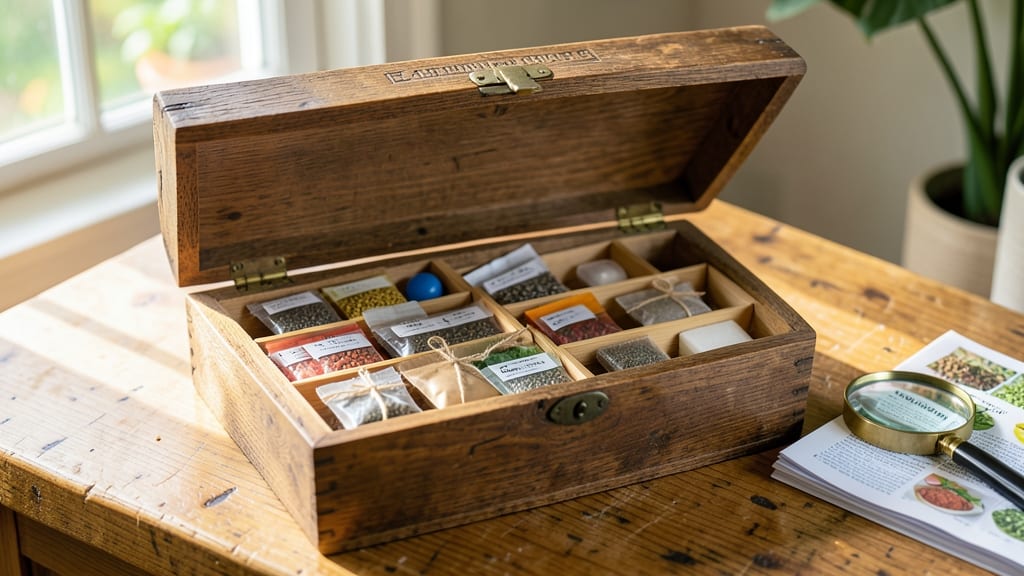
A seed bank box keeps your heirloom seeds viable for years—no fancy equipment needed. 🌱 I’ve saved seeds from my best tomatoes and peppers in a simple, airtight container, and they germinate just like new. The key is removing moisture and blocking light, which prevents mold and degradation.
You’ll need a sturdy, airtight container (like a plastic bin or glass jar), silica gel packets or rice for moisture control, and labels with seed names and dates. Drying seeds completely before storage is critical—spread them on a screen in a dark, dry spot for 1-2 weeks until brittle.
Pack them in sealed bags or containers with desiccant to lock in freshness.
Store your seed bank box in a cool, dark place—like a basement or pantry—where temperatures stay between 32°F and 50°F. Test viability every few years by planting a small batch; if germination drops below 80%, it’s time to refresh.
This system works for any seeds, from flowers to vegetables.
Perfect for gardeners who want to preserve heirlooms, save money, or prepare for emergencies. Once set up, your seed bank requires almost no maintenance—just a little patience and the right conditions. Ready to start yours?
📚 In This Guide
- What you need
- Instructions
- Tips and common mistakes
- Wrapping up and next steps
What you need
- ● Storage Box: A sturdy, airtight container (e.g., metal tin, glass jar, or heavy-duty plastic box with a tight-sealing lid). Size: At least 12" x 12" x 6" (adjust based on seed volume).
- ● Desiccant Packets: 2–4 silica gel or clay-based moisture absorbers (5–10g each) to prevent humidity.
- ● Seed Envelopes or Paper: Acid-free, archival-quality paper or envelopes (e.g., Kraft paper or Mylar bags).
- ● Permanent Markers or Labels: Alcohol-based markers for labeling seeds (avoid ink bleed).
- ○ Optional: Small plastic bags (quart-sized) for grouping seeds by type.
- ● Scissors or a craft knife for cutting materials.
- ● Ruler and pencil for measuring.
- ● Access to a cool, dark space (e.g., basement, closet, or seed vault) with 35–40°F (2–4°C) ideal temp.
- ○ Optional: Humidity tester (to monitor conditions).
Step-by-Step instructions for building a seed bank box
Here's how to create a simple, effective seed storage system that keeps viability high for years.
🪴 Step 1: Select the Right Container
Choose a 2-3 gallon airtight container with a tight-sealing lid—glass jars or food-grade plastic bins work best. Avoid metal containers, as they can corrode and introduce moisture. I like to use quart-sized mason jars for small seed collections or a 5-gallon bucket with a locking lid for larger batches.
Clean the container thoroughly with warm, soapy water and dry completely before use. Any residual moisture or contaminants can reduce seed viability. Place a small packet of silica gel or uncooked rice in the bottom of the container to help absorb any lingering dampness.
🌱 Step 2: Prepare Seeds for Storage
Allow seeds to dry completely before storing—this means leaving them in a cool, dry place for 1-2 weeks until they feel brittle and lightweight. Test by gently pressing a seed between your fingers; if it crumbles easily, it's ready. Store seeds in paper envelopes or small glassine bags rather than plastic, as paper breathes and prevents moisture buildup.
Label each envelope with the seed variety, date of harvest, and any relevant notes like germination instructions. I also include a small piece of masking tape on the outside of the envelope with the seed name—this makes it easier to identify seeds at a glance without opening the container.
💧 Step 3: Create the Ideal Storage Environment
Place the sealed container in a cool, dark, and dry location, ideally between 32-41°F. A refrigerator crisper drawer or a basement corner works well, but avoid areas with temperature fluctuations or humidity. The goal is to slow down seed metabolism and preserve viability for as long as possible.
Check the container every 6 months to ensure the silica gel or rice remains dry. If it feels damp, replace it immediately—even slight moisture can trigger mold or reduce seed longevity. Keep a small notebook nearby to log inspection dates and any adjustments made.
⏰ Step 4: Monitor and Rotate Seeds
Most seeds retain viability for 1-5 years, depending on the type—vegetables like tomatoes and peppers last about 4 years, while herbs like basil and cilantro may only stay viable for 1-2 years. Test a few seeds annually by planting them in a small pot to check germination rates.
Rotate older seeds to the front of the container so you use them first. Label the outside of the container with the date you stored the seeds—this helps you track how long they've been in storage. If you notice any signs of moisture, pests, or mold, discard the affected seeds immediately and start fresh with a new batch.
Tips & tricks for perfect seed bank box storage
Between us, these little details make all the difference when preserving seeds long-term.
Container Selection: Quart-sized mason jars are my go-to for small collections because they're easy to stack and fit perfectly in refrigerator drawers. For larger batches, a 5-gallon bucket with a locking lid works beautifully—just make sure it's food-grade plastic to prevent any chemical reactions. I've learned the hard way that metal containers can corrode over time and introduce moisture.
Drying Test: That 1-2 week drying period in Step 2 is non-negotiable. I test seed readiness by gently pressing between my fingers—if it crumbles easily, it's ready. Pro tip: Place seeds in a single layer on a paper towel in a warm, dry spot (like on top of your fridge) to speed up drying while preventing moisture buildup.
Environmental Watch: The 32-41°F range is critical—this slows seed metabolism dramatically. I keep mine in my refrigerator crisper drawer where it stays consistently cool and dark. Avoid basements with humidity or attics with temperature swings. A small digital thermometer ($5 from hardware stores) is worth the investment to monitor your storage spot.
Labeling System: I double-label everything: first with a detailed paper tag inside the envelope, and second with masking tape on the outside. The tape label lets me identify seeds without opening the container, which prevents moisture exposure. I also include a small color-coded dot system for seed families—red for tomatoes, green for herbs, blue for flowers.
Pro Tips for Seed Bank Box
- Between us, these little details make all the difference when preserving seeds long-term.
- Container Selection: Quart-sized mason jars are my go-to for small collections because they're easy to stack and fit ...
- Drying Test: That 1-2 week drying period in Step 2 is non-negotiable. I test seed readiness by gently pressing betwee...
Frequently asked questions
Got questions about keeping your seed bank box in tip-top shape? Here are some of the most common ones—plus straightforward answers to help you store seeds like a pro!
What’s the best humidity level for storing seeds in a seed bank box?
Aim for 30–50% humidity to prevent mold or premature drying. Use silica gel packets or a dehumidifier if your climate is damp. Too dry? A small bowl of water with a damp cloth inside can help balance moisture—just monitor it regularly!
How long can seeds last in a seed bank box?
With proper conditions (cool, dark, and dry), most seeds stay viable for 5–10+ years. Heirloom varieties or rare seeds may last longer, but germinate a few seeds annually to test viability. Label everything with the date to track!
Can I use a regular plastic container instead of a dedicated seed bank box?
Yes, but with caveats! Use airtight, food-grade containers (like mason jars or BPA-free plastic) with breathable lids to avoid condensation. Avoid cardboard—it degrades and attracts pests. A seed bank box just makes it easier to organize and control conditions!
How do I keep pests out of my seed bank box?
Pests like weevils or moths love seeds! Store your box in a cool, dark place (like a basement or closet), use pesticide-free diatomaceous earth inside, and inspect seeds before storing. Freezing seeds for a few days can also kill eggs or larvae.
What if my seeds sprout too soon?
Sprouting happens if seeds get too warm or moist. Move the box to a cooler spot (like a fridge—just not the freezer!) and check for leaks or condensation. If a few seeds sprout, replant them immediately or dry them out in a paper bag before storing again.
Wrapping up and next steps
A seed bank box is your secret weapon for preserving seed viability in any season—no fancy equipment needed! By keeping seeds dry, dark, and cool, you’re ensuring a future harvest of healthy plants.
Whether you’re a gardener, homesteader, or just love the idea of self-sufficiency, this simple solution gives you peace of mind and endless possibilities.
Ready to take the next step? Start small: gather a few extra seeds, build your first box, and experiment with storage conditions. Before you know it, you’ll be a seed-saving pro! 🌱✨