
Lawn
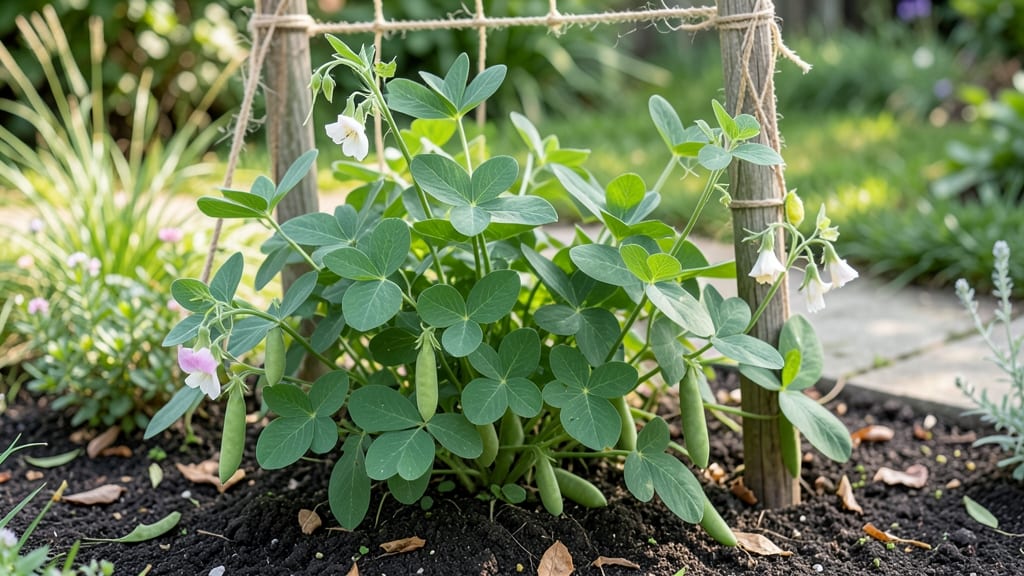
That fuzzy little peach pit holds a secret—Prunus persica—the botanical name for the peach seed you can grow into a tree. 🌱 I’ve watched those tiny seeds sprout into real plants, and while it’s not as easy as buying a sapling, the process is surprisingly rewarding for patient gardeners.
Peach seeds are technically drupe seeds, meaning they’re encased in a hard stone (the pit) that protects the embryo. Germination takes 4-6 weeks of cold stratification and consistent moisture—think of it like waking a seed from winter hibernation.
Most home gardeners skip this step, but those who try often end up with a curious, if unpredictable, tree. The payoff? A tree with real peaches—though it might take 3-5 years to bear fruit, and the quality won’t match store-bought varieties.
Still, the journey from pit to tree is a fascinating experiment in patience and nature’s quirks. Works best in USDA Zones 5-9, where peach trees thrive. Just don’t expect perfection—this is more about the adventure than the harvest!
📚 In This Guide
- What you need
- Instructions
- Tips and common mistakes
- Wrapping up and next steps
What you need
- ● Peach seeds: 5–10 fresh, viable seeds (harvested from organic peaches for best results). Pro tip: Store seeds in a dry, cool place until use!
- ○ Small pots or seed trays: 2–4 (3–4 inches deep) with drainage holes. Optional: Use biodegradable pots for easy transplanting.
- ● Potting soil: 1–2 bags of high-quality, well-draining seed-starting mix (sterilized to prevent mold).
- ● Spray bottle: For gentle watering (avoid over-saturating seeds!).
- ● Clear plastic wrap or humidity dome: To create a mini greenhouse effect.
- ● Grow lights or sunny windowsill: A south-facing window or LED grow lights (12–16 hours/day) for optimal germination.
- ● Small hand trowel or spoon: For planting seeds without damaging them.
- ● Label markers & tags: To track seed varieties (especially useful if experimenting with multiple types!).
- ● Seedling heat mat: Speeds up germination in cooler climates (70–75°F ideal).
- ● Fertilizer (balanced, low-nitrogen): Diluted to half-strength once seedlings sprout (e.g., 10-10-10).
- ● Pruning shears: For trimming leggy seedlings later.
- ● Lawn soil test kit: If you plan to transplant saplings into your yard (check pH and nutrients!).
- ● Compost or worm castings: Boosts soil health for long-term growth.
How to identify and use peach seed names for successful germination
Here’s how I’ve learned to decode peach seed names—because knowing the variety unlocks the right growing conditions.
🌱 Step 1: Extract and Clean the Seed Properly
Start by removing the seed from the pit—it’s the large, flat, brown seed inside the stone. Rinse it under cool water to remove any residual fruit pulp, which can attract mold. I like to scrub it gently with a soft brush to ensure no residue remains. This step is critical because leftover sugars and acids can inhibit germination.
Once clean, let the seed dry completely for 24 hours at room temperature. Place it on a paper towel in a well-ventilated area. You’ll know it’s ready when the outer shell feels dry to the touch—no moisture should remain. This prevents rot when you’re ready to stratify or plant.
🌿 Step 2: Stratify for Variety-Specific Germination Success
Peach seeds require stratification to break dormancy, but the method varies by seed name. For most common peach varieties (like Elberta or Redhaven), place the cleaned seed in a moist paper towel inside a sealed plastic bag. Store it in the refrigerator for 6-8 weeks at 35-40°F. This mimics winter conditions and triggers root growth before the shoot emerges.
Check the seed weekly—if the towel dries out, mist it lightly with water. You’ll see the first signs of germination when a tiny white root (radicle) appears, usually within 4-6 weeks of stratification. This is your cue to move the seed to a warmer environment for sprouting.
☀️ Step 3: Plant in Well-Draining Soil at the Right Depth
Fill a 4-inch pot with sterile potting mix (never garden soil—it’s too dense and may harbor pathogens). Make a ½-inch deep hole with your finger and place the stratified seed inside, pointy end up. Cover it lightly with soil—just enough to hold it in place, but don’t press down firmly.
Water gently until the soil is evenly moist but not soggy. Peach seeds need consistent moisture to germinate, but standing water will cause rot. Place the pot in a warm, bright location (around 70°F), like a sunny windowsill or under a grow light. Germination can take 2-4 weeks, so patience is key.
⏰ Step 4: Transplant Seedlings When Strong Enough
Once the seedling reaches 3-4 inches tall and develops 2-3 true leaves (not the first tiny seed leaves), it’s ready for transplanting. Choose a 5-gallon container or a garden bed with full sun exposure (at least 6-8 hours daily). Peach trees need space—plant them 15-20 feet apart if growing multiple trees.
Dig a hole twice as wide as the root ball but only as deep as the container’s drainage hole. Gently remove the seedling, loosen the roots if they’re circling, and place it in the hole. Backfill with soil, firm it lightly, and water deeply. Mulch around the base to retain moisture and protect the young roots.
✂️ Step 5: Prune and Train for Strong Growth
When the seedling reaches 12-18 inches tall, prune the top ¼ inch above a leaf node to encourage branching. This creates a bushier tree, which produces more fruit later. Remove any suckers (shoots growing from the base) to direct energy upward. Peach trees benefit from annual pruning in late winter to maintain shape and airflow.
Watch for signs of stress—yellowing leaves often mean overwatering or poor drainage. Adjust your care based on the seed name’s needs: some varieties (like 'J.H. Hale') tolerate drought better, while others (like 'Sanguinole') need consistent moisture. With proper care, your peach seedling will reward you with blossoms in 3-5 years and fruit in 5-7 years.
Tips & tricks for perfect peach seed germination
Decoding peach seed names isn't just about the variety—it's about unlocking the right conditions for success. Here's how to maximize your chances of sprouting healthy peach seedlings.
Seed Selection Matters: Not all peach pits are created equal. Look for seeds from fully ripe, healthy fruit—these contain the most viable embryos. Avoid seeds from bruised or overripe peaches, as they may have compromised germination potential. I've found that seeds from heirloom varieties like 'Elberta' or 'Redhaven' tend to germinate more reliably than unknown supermarket varieties.
Stratification Temperature Precision: The refrigerator's temperature range of 35-40°F is critical for successful stratification. Use an appliance thermometer to verify your fridge maintains this range consistently. If your fridge runs warmer, consider using a seedling heat mat set to 40°F instead. This mimics natural winter conditions and triggers root growth before the shoot emerges.
Moisture Management During Stratification: Keeping the paper towel just moist—not soggy—is essential. I've learned this the hard way: over-moisture leads to mold, while too little causes the seed to dry out. Mist the towel lightly every week or two, then gently squeeze out excess water before resealing the bag. The seed should feel damp but not wet when you check it.
Transplanting Timing: Wait until your seedling has 2-3 true leaves before transplanting—don't rush this step. I've seen many gardeners transplant too early, which stresses delicate seedlings. At this stage, the seedling has developed enough energy reserves to handle the transplant shock. Choose a cloudy day for transplanting to reduce stress from direct sunlight.
Pro Tips for Peach Seed Name
- Decoding peach seed names isn't just about the variety—it's about unlocking the right conditions for success. Here's ...
- Seed Selection Matters: Not all peach pits are created equal. Look for seeds from fully ripe, healthy fruit—these con...
- Stratification Temperature Precision: The refrigerator's temperature range of 35-40°F is critical for successful stra...
Frequently asked questions
Got questions about peach seed names and their surprising lawn-growing potential?
Here are some of the most common queries—and the answers you need to unlock nature’s secret growth hack!
What exactly is a "peach seed name," and why does it matter for lawns?
A "peach seed name" refers to the Prunus persica seed’s unique ability to stimulate root growth in nearby plants when planted near grass or soil. The name comes from its origin in peach trees, but its growth-boosting compounds (like cytokinins) work wonders for lawns—especially in dormant or struggling patches. Think of it as a natural fertilizer with a twist!
How long does it take to see results after planting peach seeds for lawn growth?
Patience is key! You’ll typically notice early signs (like greener grass or faster sprouting) in 4–6 weeks, but full benefits (like denser roots or reduced weeds) can take 2–3 months. Soil conditions, climate, and seed placement play a role—moisture and sunlight are your best friends here. Pro tip: Plant seeds in early spring or late summer for optimal timing.
Can I use peach seeds from store-bought fruit, or do I need special seeds?
Great news—store-bought peach pits work just fine! Just ensure they’re fresh (not dried out) and not treated (some commercial pits may be coated). For best results, soak them in water for 24 hours before planting to kickstart germination. Avoid seeds from canned peaches or heavily processed fruit, as preservatives can inhibit growth.
What should I do if my lawn doesn’t respond after planting peach seeds?
Don’t worry—several factors could be at play. First, check if the seeds were properly planted (½-inch deep, spaced 6 inches apart). If your soil is too compacted or lacking nutrients, pair seeds with compost or a light topsoil layer. Extreme heat or drought can slow results, so water gently but consistently. If all else fails, try a second round in a different spot!
Are there alternatives to peach seeds for boosting lawn growth naturally?
If peach seeds aren’t available, try these natural growth boosters:
- Apple seeds (also contain cytokinins, though milder).
- Compost tea (rich in microbes that enhance root health).
- Clover seed (fixes nitrogen in soil, improving grass growth).
- Bone meal (organic phosphorus for root development).
Each has unique benefits—peach seeds are just the most accessible and potent for quick results!
Wrapping up and next steps
Discovering the peach seed name—or Prunus persica—has unlocked a fascinating world of natural growth potential for your lawn and garden! 🌱 Whether you’re intrigued by its botanical secrets or eager to harness its benefits, this knowledge empowers you to cultivate healthier, vibrant greenery with minimal effort.
Now that you’re armed with the right techniques and answers to common questions, why not take the next step?
Ready to grow? Start by planting a peach seed in a small pot or directly in your garden—watch as nature’s hidden trigger works its magic! Share your progress with fellow gardeners or explore more organic gardening tips to keep your green space thriving. 🌟