
Lawn
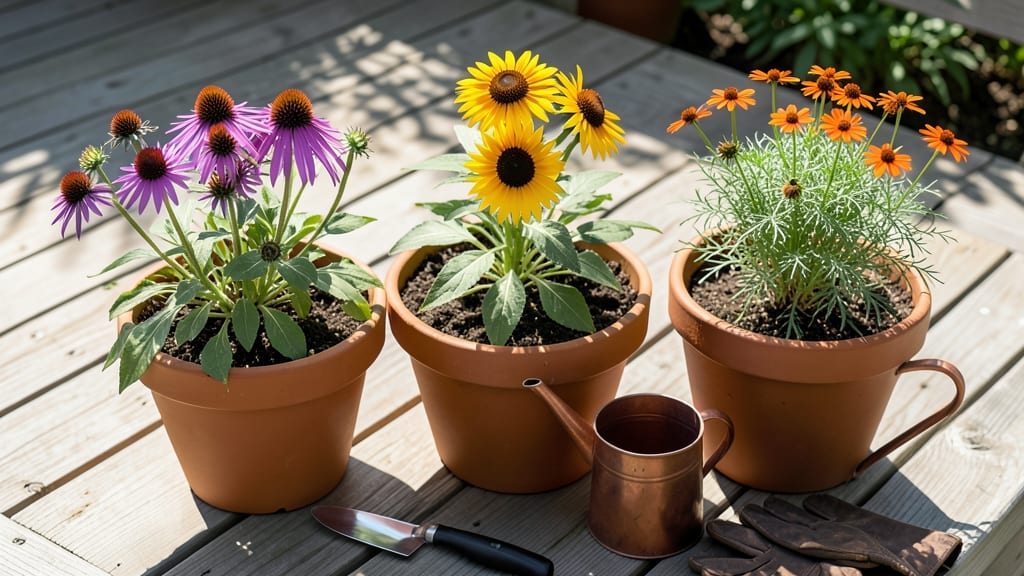
Growing peanut seeds in Kansas City planters means bold, homegrown flavor—just like the famous Planters nuts—without the store-bought shortcuts. 🌱 I’ve tried growing them in containers here, and the key is matching the right soil, heat tolerance, and watering to our hot summers and unpredictable springs.
The payoff? Fresh, buttery peanuts straight from your patio or balcony.
Start with 5-gallon containers (peanuts need deep roots) and fill them with a mix of 60% potting soil and 40% compost. Kansas City’s heat means you’ll need to water deeply 2-3 times a week once the plants sprout—never let the soil dry out completely.
Plant seeds 1 inch deep in late spring, after the last frost, and keep them in full sun.
By mid-summer, you’ll see those telltale yellow flowers, and if pollinated, tiny peanuts will form underground. Harvest when the vines turn brown and the peanuts inside feel firm—about 120 days after planting. The flavor? Richer than anything you’ll find in a bag, with that classic Planters crunch.
For local supplies, check out The Growing Place or Kansas City Garden Center for seeds and containers. Pro tip: Use black plastic pots to absorb heat—Kansas City summers will thank you. Ready to grow your own stash?
📚 In This Guide
- What you need
- Instructions
- Tips and common mistakes
- Wrapping up and next steps
What you need
- ● Planters Peanut Seeds: 1 lb (or more, depending on lawn size) – Choose high-quality, non-GMO seeds for best results!
- ● Lawn soil mix: 10 lbs (or as needed) – Well-draining, nutrient-rich blend (pH 6.0-7.0)
- ● Garden trowel or seed planter: 1 – For precise planting
- ● Watering can or hose with gentle spray: 1 – Avoid over-saturating seeds
- ○ Mulch (optional): Straw or wood chips – Helps retain moisture
- ● Fertilizer (slow-release, 10-10-10 NPK): 1 lb – Boosts seedling growth
- ● Peanut butter (for snacking while you work!): 1 jar – Because you deserve a treat 😉
- ● Garden gloves: 1 pair – Keeps hands clean and protected
- ● Seedling heat mat (if early planting): 1 – Speeds up germination in cooler weather
How to grow Planters peanut seed varieties in Kansas City's climate
Kansas City’s hot summers and variable rainfall make growing peanuts challenging—but with the right approach, you’ll harvest bold, buttery nuts.
🌱 Step 1: Prepare the Soil for Peanut Growth
Peanuts thrive in loose, well-draining soil with a pH between 6.0 and 6.5. Work in 2-3 inches of compost into the top 6 inches of soil to improve fertility and drainage. Kansas City’s clay-heavy soil can compact easily, so mix in sand or perlite if your garden feels dense. Test moisture by squeezing a handful—it should crumble slightly but not feel dry.
Choose a sunny spot with at least 6 hours of direct sunlight daily. Peanuts need warmth to grow, so avoid shady areas where pods won’t develop properly. If your garden has poor drainage, consider raised beds—they prevent waterlogging, which rots peanut pegs before harvest.
🌱 Step 2: Plant Seeds at the Right Depth and Spacing
Plant Planters peanut seeds 1 inch deep, spacing them 6 inches apart in rows 18 inches apart. Kansas City’s heat means seeds germinate quickly, so start indoors 8-10 weeks before the last frost if you want an early harvest. Once soil reaches 70°F, transplant seedlings outdoors, burying them deeply—only the top ½ inch of the stem should show above soil level.
Mulch lightly with straw or pine needles to retain moisture and suppress weeds. Peanuts need consistent soil warmth, so avoid thick mulch layers that cool the ground. Water gently after planting to settle the soil around the seeds, but don’t oversaturate—peanuts hate soggy roots.
☀️ Step 3: Maintain Consistent Moisture and Fertility
Keep the soil evenly moist but not waterlogged—peanuts need 1-1.5 inches of water weekly, more during flowering and pod development. Let the top 1 inch of soil dry slightly between waterings to prevent fungal diseases. In Kansas City’s dry spells, drip irrigation works best, delivering water directly to the roots without wetting the foliage.
Fertilize lightly with a balanced 10-10-10 formula at planting, then switch to a low-nitrogen, high-phosphorus feed (like 5-10-10) when flowers appear. Too much nitrogen encourages leafy growth at the expense of peanut pods. Watch for yellowing leaves—a sign of over-fertilization or nutrient imbalance.
⏰ Step 4: Monitor Flowering and Pod Development
Peanuts flower 60-70 days after planting, producing yellow blossoms that drop to the soil and form pegs. These pegs grow into the ground, developing pods 80-120 days later. In Kansas City’s climate, pods mature unevenly, so check plants weekly starting in late summer. Look for brown, papery foliage as a sign that pods are nearing readiness.
When 50% of pods turn brown, harvest by carefully digging around the plants with a fork. Avoid pulling stems, which can break pegs. Cure harvested peanuts in a dry, shaded area for 2-3 weeks to develop flavor and reduce moisture before shelling.
✂️ Step 5: Prepare for Kansas City’s Fall Challenges
Peanuts struggle with Kansas City’s early frosts, so plan to harvest before temperatures drop below 50°F. If pods aren’t ready, cover plants with row fabric to extend the growing season. After harvest, remove all plant debris to prevent disease carryover. Rotate crops next season—peanuts are heavy feeders and deplete soil nutrients quickly.
Save seeds from your best pods for next year’s planting. Kansas City’s heat and humidity favor certain peanut varieties, so selecting your own seed stock ensures adaptability. Store seeds in a cool, dry place until spring—peanuts remain viable for 1-2 years if kept dry.
Tips & tricks for growing bold Kansas City peanuts
Kansas City’s climate demands special attention to get peanuts right—but these insider tricks will help you grow the most flavorful harvest possible.
Soil Prep Secret: Before amending your clay-heavy soil with compost and sand, spread a thin layer of horticultural charcoal (optional) to improve drainage and prevent fungal issues. This is especially helpful in Kansas City’s humid summers where waterlogging can ruin peg development. The key is creating that perfect loose, crumbly texture—like a well-aerated cake batter—that peanuts crave for root growth.
Timing Strategy: When starting seeds indoors 8-10 weeks before last frost, use a heat mat set to 75°F to speed germination. Kansas City’s unpredictable springs mean you might need to push seedlings along—just be careful not to overheat, which can cause leggy seedlings. Harden off seedlings by moving them outdoors for 1 hour daily starting 5 days before transplanting to help them adjust to temperature swings.
Watering Wisdom: The 1-1.5 inches weekly water guideline is perfect, but here’s the real trick: water in the early morning to let foliage dry completely before evening humidity sets in. This prevents fungal diseases like leaf spot, which can devastate peanut plants. A moisture meter is worth the investment—aim for 40-50% moisture at the 2-inch depth—any higher risks water stress on those developing pegs.
Harvest Cue: Those brown, papery leaves are your signal, but don’t wait until they’re completely crispy. Dig up a few test pods when you see 50% brown—if they’re firm and dry to the touch, it’s time. In Kansas City’s heat, pods can mature unevenly, so check every 3-4 days once you see the first brown pods. Remember, once they turn black, they’ve lost flavor and become tough.
Pro Tips for Planters Seed Kansas City
- Kansas City’s climate demands special attention to get peanuts right—but these insider tricks will help you grow the most flavorful harvest possible.
- Soil Prep Secret: Before amending your clay-heavy soil with compost and sand, spread a thin layer of horticultural charcoal (optional) to improve drainage and prevent fungal issues.
- Timing Strategy: When starting seeds indoors 8-10 weeks before last frost, use a heat mat set to 75°F to speed germination.
Frequently asked questions
Got questions about growing Planters Peanut seeds in Kansas City? You’re not alone!
Here are some of the most common queries—plus straightforward answers—to help you get started on your nutty adventure.
Can Planters Peanut seeds actually grow into edible peanuts?
Yes! While Planters Peanut seeds are technically sterilized (they won’t sprout in soil), you can still grow peanuts from store-bought peanuts by planting the whole nut (in-shell) in warm, well-draining soil. Kansas City’s Zone 6 climate is perfect for peanuts—just give them 120–150 days of heat (plant after the last frost, around mid-May).
How long does it take for peanut plants to produce nuts?
Peanuts are patient plants! From seed to harvest, it takes about 3–4 months (120–150 days). In Kansas City, start seeds indoors in April or direct-sow in late May/early June. Look for yellow flowers first, then tiny pegs that grow into pods underground—harvest when leaves yellow (~October).
What’s the best temperature for growing peanuts in Kansas City?
Peanuts love warmth! Ideal temps are 75–90°F (24–32°C). Kansas City’s summers are usually hot enough, but young plants need consistent warmth to thrive. Use black plastic mulch or row covers early on to retain heat. Avoid planting if nighttime temps dip below 60°F (15°C)—peanuts hate cold!
Why aren’t my peanut plants flowering or producing pods?
Common culprits in Kansas City’s climate:
- Cool soil: Peanuts need 70°F+ (21°C+) soil to flower. Wait until late May or use a soil warmer.
- Poor pollination: Plant in a bee-friendly area (peanuts rely on insects!). Avoid windy spots.
- Over/under-watering: Keep soil consistently moist but not soggy—drought stress kills flowers.
- Nutrient deficiency: Add phosphorus-rich compost before planting.
Are there easier alternatives to peanuts for Kansas City gardens?
If peanuts seem too finicky, try these low-maintenance Kansas City-friendly nuts/seeds:
- Sunflower seeds (fast-growing, drought-tolerant)
- Pumpkin seeds (edible, great for compost)
- Chia or flax seeds (quick, cold-hardy)
Wrapping up and next steps
Growing your own Planters Peanut Seed in Kansas City isn’t just about nurturing plants—it’s about unlocking a rich, homegrown harvest with that iconic buttery, nutty flavor. Whether you’re a seasoned gardener or just starting, the key lies in patience, preparation, and a little love for the soil.
With the right tools, a sunny spot, and a dash of creativity, you’ll soon be savoring the sweet reward of homegrown peanuts!
Ready to take the next step? Start small—plant a few seeds this season and let your green thumb shine. Who knows? You might just inspire neighbors to join the peanut-growing craze! 🌱✨