
Lawn
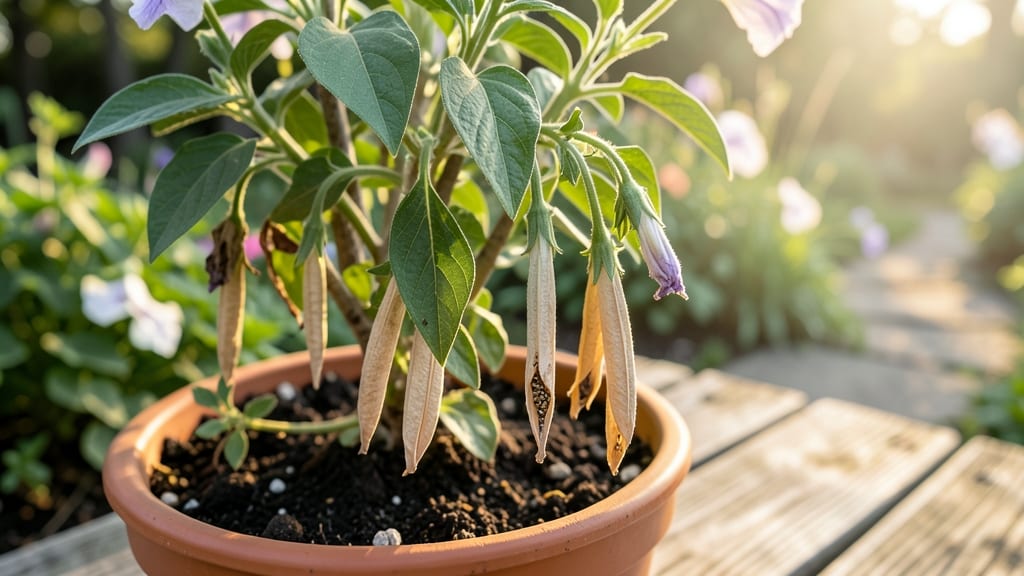
Those papery petunia seed pods image are nature's way of saving you money next season. 🌸 I've learned the hard way that waiting too long to harvest means watching seeds scatter on the breeze—so I now time it perfectly for maximum yield.
The pods turn from green to brown when ready; just twist them off the stem and lay them in a dry, warm spot. A paper bag works perfectly—it catches any seeds that pop free while letting air circulate. This simple step keeps viability high for 2-3 years if stored properly.
What you end up with is a stash of seeds that grow into the exact colors and varieties you love. The blooms arrive 2-3 weeks earlier than store-bought plants because they're already adapted to your climate. Works for all petunia types, from trailing cascades to upright varieties.
Here's how to do it right the first time!
📚 In This Guide
- What you need
- Instructions
- Tips and common mistakes
- Wrapping up and next steps
What you need
- ● Mature petunia plants (preferably with fully dried seed pods—look for brown, papery pods!).
- ● Sharp scissors or pruning shears (clean and sterilized to avoid disease transfer).
- ● Paper bags or breathable seed-saving envelopes (1–2 per plant, depending on pod quantity).
- ● Labeling tags or masking tape + marker (to note varieties and harvest dates).
- ● Drying tray or cardboard box (lined with newspaper or paper towels for airflow).
- ● Airtight storage containers (small glass jars, resealable bags, or seed envelopes with silica gel packets for humidity control).
- ● Desiccant packets (to absorb excess moisture in storage containers).
- ● Fine-mesh strainer or sieve (for separating seeds from chaff post-drying).
- ● Hand lens or magnifying glass (to inspect seed quality before storage).
- ● Notebook or digital app (to track petunia varieties, germination rates, and notes on performance).
- ● Spray bottle with water (for lightly misting pods if they’re stubbornly damp during drying).
How to harvest and store petunia seed pods for next season
Here's the simple method I use every year to save seeds from my petunias.
🌱 Step 1: Identify and Select Mature Seed Pods
Look for seed pods that have turned brown and dried on the plant—these are ready for harvesting. I usually spot them in late summer or early fall, after the blooms have faded. Choose pods from healthy plants that produced strong, disease-free flowers. Avoid pods that appear shriveled or moldy, as they won't yield viable seeds.
Gently twist the pod off the stem with your fingers. If it resists, use clean scissors to snip it free. Place the pods in a paper bag or envelope to collect them. You'll want to harvest them before they split open on their own—this ensures you capture all the seeds inside.
⏰ Step 2: Dry the Seed Pods Properly
Spread the harvested pods out on a clean, dry surface in a warm, well-ventilated area. I like to use a baking sheet lined with paper towels. Let them dry for 7-10 days until they feel completely brittle and hollow when shaken. This step is critical—moisture inside the pods can cause mold or rot during storage.
Check daily for any signs of dampness or mold. If you notice any pods developing fuzzy spots, remove them immediately and discard. Once fully dry, the pods will crumble easily between your fingers, signaling they're ready for the next step.
✂️ Step 3: Extract and Clean the Seeds
Once the pods are dry, place one in a small bowl and gently crush it with your fingers or the back of a spoon. The seeds will spill out—petunia seeds are tiny and black, so you might need a bright light to see them clearly. I use a fine-mesh strainer to separate the seeds from the chaff and debris.
Rinse the seeds under cool water to remove any remaining plant material, then spread them out on a clean paper towel to air-dry for an additional 24 hours. This final drying step ensures the seeds won’t mold during storage. Store them in a labeled envelope or small jar.
🪴 Step 4: Store Seeds in a Cool, Dry Place
Place the dried seeds in an airtight container, such as a small glass jar or resealable plastic bag. I add a packet of silica gel to absorb any lingering moisture. Label the container with the petunia variety and the date of harvest—this helps you track how old the seeds are, as viability decreases over time.
Store the container in a cool, dark place, like a pantry or refrigerator. Petunia seeds remain viable for 2-3 years under these conditions. Check the container occasionally for signs of moisture or pests—if you notice any, transfer the seeds to a new, dry container immediately.
💧 Step 5: Test Seed Viability Before Planting Next Year
Before you plant the saved seeds, test their viability by placing a few in a damp paper towel and sealing them in a plastic bag. Keep the bag in a warm spot for 7-10 days. If the seeds sprout, they’re ready to plant. If not, they may need to be replaced with fresh seeds from a nursery.
Petunia seeds germinate best when sown indoors 8-10 weeks before the last frost date. Use a seed-starting mix and keep the soil moist but not soggy. With proper care, your homegrown petunias will bloom just as beautifully as the ones you saved the seeds from!
Tips & tricks for perfect petunia seed pod preservation
Saving petunia seeds for next season is easier than you think—these little tricks will help you avoid common pitfalls and get the best results.
Selection Tip: Harvest pods only after they've fully browned and dried on the plant. I've learned the hard way that green or partially dried pods won't yield viable seeds—wait until they're completely brittle to the touch. In Step 1, look for pods that easily release from the stem when gently twisted; this is your cue they're ready. If you harvest too early, you'll waste time drying pods that never fully mature.
Drying Strategy: The 7-10 day drying period in Step 2 is non-negotiable for seed viability. I've found that using a fan on low setting in a warm, dry room speeds this process without risking mold. Place pods on a screen or mesh instead of paper towels—this allows air to circulate on all sides, preventing any trapped moisture. Check daily for any pods that develop fuzzy spots, which signals mold growth; remove these immediately to protect your entire batch.
Seed Extraction: When crushing dried pods in Step 3, work in small batches to avoid losing tiny seeds. I use a white plate as my work surface—it makes those tiny black seeds stand out against the background. For stubborn pods, place them in a plastic bag with a few marbles, then gently crush them; the marbles help break them open without crushing the seeds. After rinsing, spread seeds on a paper towel in a single layer to ensure even drying during that critical 24-hour period.
Pro Tips for Petunia Seed Pods Image
- Saving petunia seeds for next season is easier than you think—these little tricks will help you avoid common pitfalls and get the best results.
- Selection Tip: Harvest pods only after they've fully browned and dried on the plant.
- Drying Strategy: The 7-10 day drying period in Step 2 is non-negotiable for seed viability.
Frequently asked questions
Got questions about petunia seed pods? You’re not alone! Here are some of the most common queries gardeners ask when saving seeds for next year’s vibrant blooms.
When should I harvest petunia seed pods?
Harvest seed pods after they’ve fully matured and turned brown—usually 4–6 weeks after flowering. If left too long, they’ll crack open and scatter seeds prematurely. Aim to collect them when they’re dry but still intact, typically in late summer or early fall.
How do I know if petunia seeds are ready to collect?
Ready-to-harvest pods feel papery and dry to the touch, often with a slight crinkle. If you gently squeeze a pod and hear seeds rattling inside, it’s time! Avoid harvesting green or plump pods—they won’t yield viable seeds. Pro tip: Check pods daily once they start browning.
Can I save seeds from hybrid petunias?
Most store-bought hybrid petunias (like those with double blooms or unusual colors) won’t produce true-to-type seeds. For reliable results, opt for heirloom or open-pollinated varieties labeled as seed-saving friendly. If you’re unsure, ask your local nursery!
How should I store petunia seeds long-term?
Store seeds in a cool, dry place (like a sealed envelope or airtight container) at 35–40°F (2–4°C) for up to 3 years. Add a desiccant packet to prevent moisture buildup. Label each container with the variety and date—organization is key!
Why aren’t my petunia seed pods forming?
Pods may fail to form due to lack of pollination (hand-pollinate with a paintbrush if needed), over-fertilizing (reduce nitrogen-heavy feeds), or poor growing conditions (ensure full sun and well-draining soil). If blooms appear but no pods develop, check for pests like aphids, which can interfere with pollination.
Wrapping up and next steps
Harvesting and storing petunia seed pods is a rewarding way to ensure next year’s vibrant blooms—no need to buy new seeds! 🌸 With the right tools and a little patience, you can preserve these delicate pods and give your garden a head start.
Whether you’re a seasoned gardener or just starting out, every seed saved is a future flower waiting to bloom.
Ready to take the next step? Start by gathering your pods today, dry them properly, and store them in a cool, dark place. Soon, you’ll be watching your petunias burst into color all over again—naturally and sustainably!