
Size
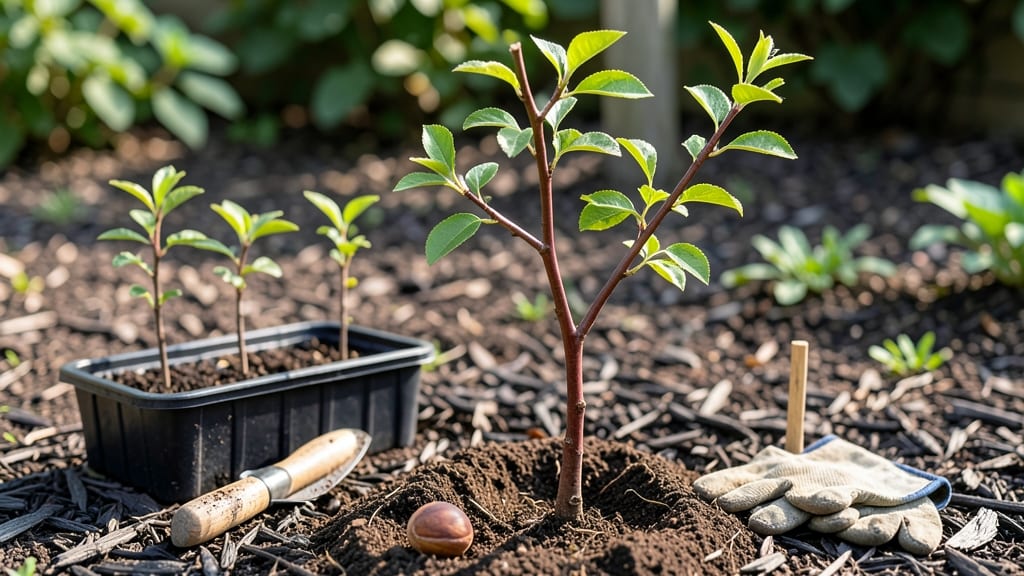
Growing a peach tree from a seed is the ultimate gardening adventure—turning a grocery store pit into a backyard giant with years of potential. 🌱 I’ve tried it twice, and while it’s slower than buying a grafted tree, there’s something magical about watching a seedling reach for the sky.
The first real leaves appear in just 3-4 weeks, but true fruit production could take 5-10 years—so patience is key.
You’ll need a sunny spot (at least 6-8 hours of light daily), well-draining soil, and a deep container or garden bed for the first year. Start indoors in winter for a head start, then harden off seedlings before transplanting in spring.
The trickiest part? Viability—most store-bought peach pits won’t sprout, so save seeds from fresh, organic peaches if possible. Even then, only about 1 in 5 will germinate.
By summer, your seedling will be 1-2 feet tall, with a sturdy trunk and lush foliage—though it’ll look more ornamental than productive at first.
The real payoff comes later: a tree that’s uniquely yours, resistant to many diseases (since it’s not grafted), and possibly bearing fruit that’s different from its parent. Just don’t expect supermarket-quality peaches—these are for flavor experiments and backyard bragging rights.
Fair warning: This method isn’t for impatient gardeners. But if you love the journey more than the destination, there’s no better way to grow a peach tree. Start now, and in a decade, you’ll have a tree that’s both a memory and a harvest.
(Yes, I know that sounds weird, but stick with me—it’s true.)
📚 In This Guide
- What you need
- Instructions
- Tips and common mistakes
- Wrapping up and next steps
What you need
- ● Peach pits (seeds): 3–5 fresh, clean pits from ripe, organic peaches (avoid store-bought pits treated with fungicides).
- ● Small pots or containers: 3–5 individual pots (4–6 inches in diameter) with drainage holes, or a seed tray with cells.
- ● Potting mix: Well-draining, sterile seed-starting mix (avoid garden soil—it can harbor diseases).
- ● Plastic wrap or clear lid: To create a mini greenhouse effect for humidity.
- ● Spray bottle: For gentle watering (avoid over-saturating the soil).
- ● Grow lights or sunny windowsill: A south-facing window or a grow light (12–16 hours of light daily).
- ○ Fertilizer (optional but helpful): A balanced, water-soluble fertilizer (5-5-5 or 10-10-10) for young seedlings.
- ● Outdoor planting space: A sunny location (6+ hours of sunlight daily) with well-draining soil (pH 6.0–7.0).
- ● Mulch: Organic mulch (straw, wood chips) to retain moisture and regulate soil temperature.
- ○ Stakes or trellis (optional): For young trees to prevent wind damage as they grow.
Step-by-Step instructions for growing a peach tree from seed
Here's how to transform a single peach pit into a thriving tree with proper technique.
🌱 Step 1: Extract and Stratify the Seed
Clean the pit thoroughly by removing all flesh and scrubbing off any remaining fruit residue. Let it dry completely for 24 hours—this prevents mold during stratification. The key to germination is replicating winter's cold period: place the pit in a sealed plastic bag with slightly damp peat moss and refrigerate for 8-12 weeks at 35-45°F.
Check the pit weekly—it should feel moist but not soggy. If condensation forms inside the bag, open it briefly to air out. This cold treatment breaks seed dormancy, which is why store-bought peaches rarely sprout. Real talk: if you skip stratification, you'll likely wait years for germination or never see sprouts at all.
☀️ Step 2: Plant After Stratification
After the cold period, plant the pit 2 inches deep in a 6-inch pot filled with well-draining potting mix. I use a blend of 50% potting soil and 50% perlite to prevent rot. Water gently until moisture reaches the bottom, then place the pot in a bright, indirect light location—no direct sun yet.
Keep the soil consistently moist but never soggy. You'll notice the first true leaves emerge in 4-8 weeks, though some seeds take 12 weeks to sprout. If nothing appears after 3 months, the seed may not be viable—don't give up, though, as some pits need extra time.
🌿 Step 3: Transplant and Acclimate
Once the seedling reaches 6-8 inches tall with 4-6 true leaves, it's ready for its first transplant. Choose a 1-gallon container with drainage holes and fill it with garden soil mixed with compost. Dig a hole twice as wide as the root ball and place the seedling at the same depth it was growing before.
Move the container outdoors to a partially shaded spot for 1 week to harden off. Gradually increase sun exposure over 10 days, watching for signs of stress like curled leaves or wilting. This slow transition prevents transplant shock, which can kill young seedlings. Here's the thing—peach trees are sensitive to sudden temperature changes, so avoid moving them during heatwaves.
🪴 Step 4: Plant Outdoors and Care for Long-Term Growth
After hardening off, plant the seedling in your garden during spring or early fall, when soil temperatures are 60-70°F. Choose a location with full sun and well-draining soil—peach trees hate soggy roots. Dig a hole 3 times wider than the root ball but only as deep as the container was.
Water deeply after planting to settle the soil, then maintain 1 inch of water weekly during the first growing season. Mulch around the base with 2-3 inches of organic mulch to retain moisture and regulate soil temperature. You'll see new growth within 2-4 weeks, signaling the tree has established itself.
⏰ Step 5: Prune and Protect for Fruit Production
In its second year, prune the tree to remove any dead, crossing, or weak branches. Focus on creating an open center that allows sunlight and air circulation. Peach trees need 5-7 years to bear fruit, but proper pruning now ensures a stronger structure later.
Watch for signs of pests like aphids or peach tree borers—early intervention prevents long-term damage. Here's where it gets fun: if you want to speed up fruiting, graft a known peach variety onto your seedling when it's 2-3 years old. Without grafting, your tree may produce wild peaches, but they won't be the sweet, juicy varieties you're craving.
Tips & tricks for growing a peach tree from seed
Transforming a simple peach pit into a thriving tree takes patience—but these insider tricks will help you avoid common pitfalls and maximize your success.
Stratification Success: Don't rush the 8-12 week cold treatment! Place a small thermometer in your fridge near the pit to monitor temperatures—consistent 35-45°F is crucial. If your fridge runs warmer, move the bag to a cooler spot like the back of a bottom shelf. I learned this the hard way after seeing condensation form and mold develop in a warmer fridge section.
Pot Selection Matters: While a 6-inch pot works, opt for one with drainage holes and a saucer to catch excess water. Terracotta pots help regulate moisture better than plastic, but ensure the hole isn't so large it lets roots escape. If using a plastic pot, add a layer of pebbles at the bottom to prevent root rot—peach trees despise soggy conditions.
Lighting Strategy: That "bright, indirect light" in Step 2 means placing your seedling within 3 feet of a south-facing window or under a grow light. South-facing windows provide the most consistent light, while east-facing windows can be too cool for young seedlings. If using artificial light, keep it 6 inches above the pot and on for 12-14 hours daily—this mimics natural daylight cycles.
Transplant Timing: Wait until your seedling has 4-6 true leaves (not just the initial seed leaves) before transplanting. The first true leaves appear 4-8 weeks after planting, but don't rush—waiting ensures the root system is strong enough to handle the move. I've seen seedlings with only 2-3 true leaves struggle during transplant, so patience here pays off in the long run.
Pro Tips for Peach Seed Grow A Garden
- Transforming a simple peach pit into a thriving tree takes patience—but these insider tricks will help you avoid common pitfalls and maximize your success.
- Stratification Success: Don't rush the 8-12 week cold treatment!
- Pot Selection Matters: While a 6-inch pot works, opt for one with drainage holes and a saucer to catch excess water.
Frequently asked questions
Got questions about growing a peach tree from seed? You’re not alone! Here are some of the most common queries—and their answers—to help you navigate your backyard gardening adventure with confidence.
Can you really grow a peach tree from a seed?
Yes! While it’s possible, the fruit from your seedling may not match the parent tree’s flavor or quality. Peach seeds are heterozygous, meaning they produce unpredictable hybrids. For consistent results, consider grafting later or starting with a nursery tree. Patience is key—seedlings take 3–5 years to bear fruit!
How long does it take for a peach seed to sprout?
Peach pits need stratification (cold treatment) to break dormancy. After 4–6 weeks in the fridge (moist sand/peat mix), plant them in warm soil. Sprouting typically happens in 2–4 weeks after planting, depending on temperature and moisture. Keep soil consistently damp but not soggy for best results!
What’s the best climate for growing peach trees from seed?
Peach trees thrive in USDA Zones 5–9, with mild winters and hot summers. They need at least 6–8 hours of sunlight daily and well-draining soil. If you’re in a cooler zone, choose a sheltered spot or opt for cold-hardy varieties like ‘Elberta’ or ‘Relenta.’ Young trees are frost-sensitive—wait until spring to transplant outdoors!
Why isn’t my peach seed sprouting? Troubleshooting tips
If your pit isn’t sprouting, check these common issues:
- Incomplete stratification: Ensure the pit spent 4–6 weeks cold and moist.
- Rot: Overwatering or poor drainage can kill the embryo. Plant in fresh, dry soil.
- Old seed: Fresh pits (from ripe fruit) sprout better. Avoid seeds from store-bought peaches.
- Depth: Plant pits 1–2 inches deep—too shallow or deep can hinder growth.
Can I grow a peach tree indoors or in a container?
Peach trees can grow in containers, but they need large pots (at least 20+ gallons) and regular pruning to control size. Place them in full sun near a south-facing window or use grow lights. Dwarf varieties like ‘Bonanza’ adapt better. Move pots outdoors in warm months for pollination and growth. Just remember—container trees may produce smaller fruit!
Wrapping up and next steps
Growing a peach tree from seed is a rewarding journey that blends patience, care, and a touch of magic—turning a humble pit into a thriving garden centerpiece! 🌱 While it may take years to bear fruit, the process teaches you the art of nurturing life from scratch.
Now that you’re armed with the right knowledge, why not start today? Pick a seed, prep your soil, and let nature do the rest—your future peach tree (and maybe even a sweet harvest!) are waiting.
Next steps:
- 🌱 Plant your seed—follow the steps above and watch your garden grow!
- 📅 Track progress with a simple journal or photos to celebrate milestones.
- 🍑 Dream big: Imagine the shade, blossoms, and (eventually) juicy peaches your tree will bring!