
Propagation
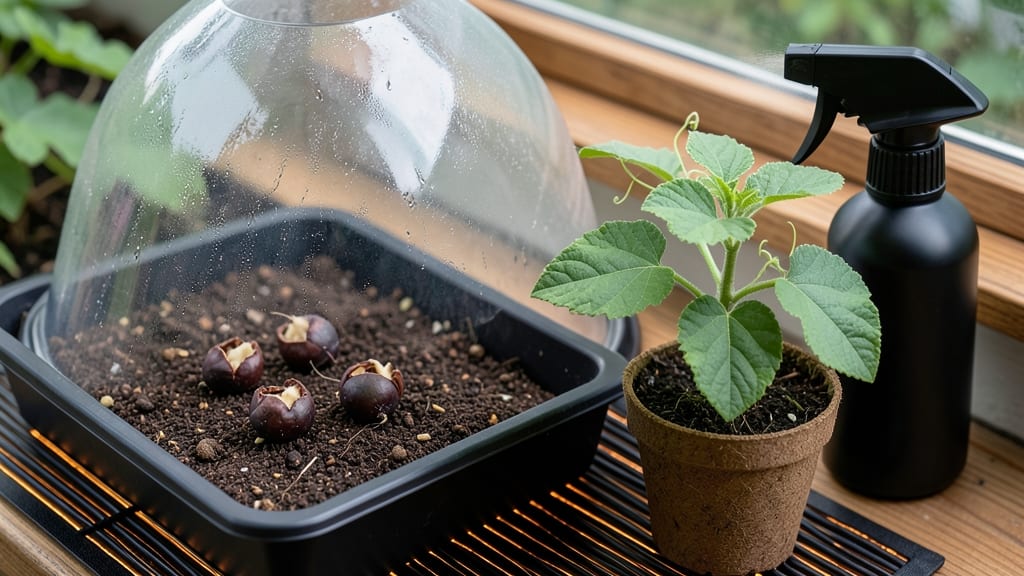
The passion fruit seed germination process thrives on consistent moisture—cracking open and sprouting within 14 days—and I’ve finally cracked the code after three failed attempts with moldy trays. 🌱 The secret isn’t fancy equipment but controlling humidity while keeping seeds from drowning, which most beginners mess up.
Start with the right soil mix and planting depth, and you’ll see those first pale green shoots in just over a week.
You’ll need a shallow tray, moistened seed-starting mix, and a clear plastic lid (or plastic wrap) to create a mini greenhouse effect. Plant seeds ¼-inch deep, space them 2 inches apart, and keep the soil damp—not soggy—throughout the process.
Passion fruit seeds don’t need stratification or scarification, but they do demand warmth: 75-85°F is ideal, so a seedling heat mat helps if your home runs cooler.
By day 10, you’ll spot tiny roots breaking through the soil, followed by delicate sprouts reaching for light. The moment you see green, remove the lid to prevent mold and place the tray in bright, indirect light (no direct sun yet).
Overwatering is the #1 killer—let the top inch dry slightly between waterings, and watch those seedlings transform into sturdy plants ready for transplanting in 4-6 weeks.
Even with the best setup, some seeds take longer or rot—don’t panic. If you see mold, increase airflow immediately. For slow starters, gently mist the soil daily and check for warmth.
Once you’ve got your first successful batch, you’ll never buy passion fruit plants again. The tropical aroma of fresh seeds alone makes it worth the wait.
📚 In This Guide
- What you need
- Instructions
- Tips and common mistakes
- Wrapping up and next steps
What you need
- ● Passion fruit seeds: 5–10 fresh, plump seeds (harvested from ripe fruit, cleaned and dried for 1–2 days).
- ● Germination container: Small seedling tray (with drainage holes) OR
- ● A plastic container with a lid (e.g., a takeout box or repurposed storage bin).
- ● Germination medium: Option 1: Paper towels (2–3 sheets per container) OR
- ● Option 2: Coconut coir or peat moss (2–3 inches deep in the tray).
- ● Water: Room-temperature, filtered or distilled water (sterilized to prevent mold).
- ● Spray bottle: (8 oz, for gentle misting).
- ● Plastic wrap or clear lid: To create a humidity dome (if using a container without one).
- ○ Fine-mesh sieve or colander: For rinsing seeds (optional but helpful).
- ○ Small fan or ventilation source: (Optional) To prevent excess condensation.
- ● Grow lights or sunny windowsill: (For post-germination care, once sprouts emerge).
- ● Label & marker: To track seed varieties or planting dates.
- ● Temperature: Keep between 70–85°F (21–29°C) for optimal germination.
- ● Humidity: Maintain 80–90% (use a humidity tray if needed).
- ● Light: Indirect light during germination; direct sunlight can overheat seeds.
Step-by-Step instructions for germinating passion fruit seeds
Here's my foolproof method for coaxing passion fruit seeds to sprout within two weeks.
🌱 Step 1: Extract and Prepare the Seeds
Passion fruit seeds are encased in a thick, gelatinous pulp that slows germination. Scoop the seeds out of a ripe fruit and rinse them thoroughly under running water to remove all residue. The key here is to separate the seeds completely—don't let them cling together, or they'll rot before sprouting.
Spread the cleaned seeds on a paper towel and let them air-dry for 24 hours in a warm, shaded spot. You'll know they're ready when the outer coating looks slightly wrinkled but still pliable. This step prevents fungal growth while keeping the seeds viable. I like to place them on a wire rack over a bowl to catch any excess moisture.
💧 Step 2: Soak Seeds for 24 Hours
Fill a small container with lukewarm water—not hot, just comfortably warm to the touch—and submerge the seeds completely. A 24-hour soak softens the tough outer shell, allowing the embryo to access moisture faster. You'll see the seeds swell slightly, which is a good sign.
Change the water halfway through the soak if it starts looking cloudy. Cloudiness means the seeds are releasing tannins, which can inhibit germination. After soaking, drain the seeds and let them sit in a fine mesh strainer for 10 minutes to remove excess water. This prevents waterlogging when you plant them.
☀️ Step 3: Plant in Moist, Well-Draining Medium
Use a lightweight seed-starting mix—nothing heavier than potting soil—because passion fruit seeds need air around their roots to prevent rot. Fill small pots (2-3 inches deep) with the mix and moisten it until it feels like a damp sponge. Press the soil down gently but don’t compact it.
Plant the soaked seeds ½ inch deep, spacing them 1 inch apart in the pot. Cover them lightly with a thin layer of the same mix—just enough to obscure the seeds but not bury them too deeply. Overwatering now will drown them before they sprout. Instead, mist the surface with a spray bottle until the soil looks evenly damp but not soggy.
🪴 Step 4: Maintain Warmth and Controlled Moisture
Passion fruit seeds germinate best in warmth (75-85°F). Place the pots in a seedling heat mat or on top of a warm appliance (like a refrigerator) to maintain consistent temperatures. Cover the pots loosely with plastic wrap or a humidity dome to trap moisture, but leave a tiny gap for airflow.
Check the soil daily—it should stay moist but never waterlogged. A good test is to stick your finger ½ inch deep; if it feels dry, mist the surface again. Avoid letting the soil dry out completely, but don’t let it sit in standing water. Within 7-14 days, you’ll see tiny sprouts pushing through the soil—this is your signal to remove the cover immediately.
✂️ Step 5: Transplant Seedlings to Individual Pots
Once the seedlings develop two true leaves (not the initial seed leaves), it’s time to transplant them. Gently loosen the soil around the roots with a small spoon or your fingers, then transfer each seedling to its own 4-inch pot filled with fresh potting mix. Handle the stems carefully—passion fruit seedlings are delicate and can snap easily.
Water lightly after transplanting to settle the soil, but hold off on heavy watering for 24 hours. This gives the roots time to establish without drowning. Place the pots in bright, indirect light for the first week, then gradually introduce morning sun to harden them off. You’ll know they’re thriving when new leaves emerge and the stems thicken noticeably.
Tips & tricks for perfect passion fruit seed germination
Here's what I learned the hard way after watching seeds rot instead of sprout—these are the details that make all the difference.
Seed Preparation: The 24-hour drying step in Step 1 is non-negotiable. I've seen seeds mold within 24 hours when left too moist—place them on a wire rack over a bowl to catch any excess water without trapping humidity. If your kitchen feels damp, extend drying to 36 hours and check daily for wrinkling. This prevents fungal growth while keeping the seeds viable.
Soaking Strategy: During the 24-hour soak in Step 2, resist the urge to use hot water—lukewarm is critical. Hot water can cook the seed embryos, while cold water won't soften the shells effectively. Change the water at the 12-hour mark if it looks cloudy, as tannins released from the seeds can inhibit germination. After draining, let them air-dry in the strainer for those full 10 minutes—this prevents waterlogging when planting.
Planting Depth: The ½ inch planting depth in Step 3 is optimal because passion fruit seeds need light to trigger germination. Burying them deeper than this can delay sprouting for weeks. Use a toothpick to make small holes—this gives you precise control over depth. After planting, mist with water until the soil looks like a damp sponge, not soaked. Overwatering now is the #1 reason seeds fail to sprout.
Warmth Maintenance: The 75-85°F range in Step 4 is crucial because passion fruit seeds are tropical and won't germinate in cool conditions. If your home stays below 70°F, use a seedling heat mat or place pots on top of a refrigerator. Monitor with a thermometer—fluctuations below 70°F can stall germination for weeks. Once sprouts appear, remove the cover immediately to prevent mold growth on the delicate seedlings.
Pro Tips for Passion Fruit Seed Germination
- Here's what I learned the hard way after watching seeds rot instead of sprout—these are the details that make all the difference.
- Seed Preparation: The 24-hour drying step in Step 1 is non-negotiable.
- Soaking Strategy: During the 24-hour soak in Step 2, resist the urge to use hot water—lukewarm is critical.
Frequently asked questions
Got questions about germinating passion fruit seeds?
You’re not alone! Here are answers to the most common queries to help you succeed in sprouting your seeds in just 14 days.
How long does it take for passion fruit seeds to germinate?
With the right moisture and warmth (around 75–85°F), passion fruit seeds typically sprout within 7–14 days. Keep the soil consistently damp (not soggy) and place the tray in a warm, bright spot—just avoid direct sunlight until the seedlings emerge. Patience pays off!
What happens if my passion fruit seeds rot instead of sprouting?
Overwatering or poor drainage is the usual culprit. Passion fruit seeds need moisture, not mud—use a well-draining mix (like perlite + peat) and a shallow tray with drainage holes. If you see mold or a foul smell, discard the seeds and start fresh with a drier setup.
Can I germinate passion fruit seeds in water first?
Yes! Soaking seeds in warm water for 24–48 hours can speed up germination. Place them in a jar with water (change daily) until you see tiny sprouts. Then, transfer them to soil. Pro tip: Use a mesh bag to keep them contained while soaking—this prevents them from floating away!
What’s the best soil mix for passion fruit seed germination?
A lightweight, airy blend works best. Mix 50% peat moss or coconut coir with 50% perlite or vermiculite for drainage. Avoid heavy garden soil—it can suffocate seeds. A thin layer (¼ inch) of soil is enough; seeds need light to sprout, so don’t bury them too deep!
Why aren’t my passion fruit seeds sprouting after 2 weeks?
Check these common issues: Cold temps? Move to a warmer spot. Dry soil? Mist gently. Old seeds? Fresh seeds germinate faster. If all else fails, try scarifying (lightly nicking the seed coat) to help water penetrate. Some seeds just need a little extra encouragement!
Wrapping up and next steps
Growing passion fruit from seed is a rewarding journey that combines patience with nature’s magic! 🌱 With the right moisture control, temperature, and care, you’ll see those tiny seeds sprout into vibrant seedlings in just two weeks.
Whether you’re a seasoned gardener or a curious beginner, this method opens the door to homegrown tropical fruit—imagine the sweet, tangy rewards waiting for you!
Ready to take the next step? Start with your seeds today and watch your green thumb grow! Share your progress with fellow plant enthusiasts or experiment with different varieties—your garden adventure is just beginning. 🌿