
Propagation
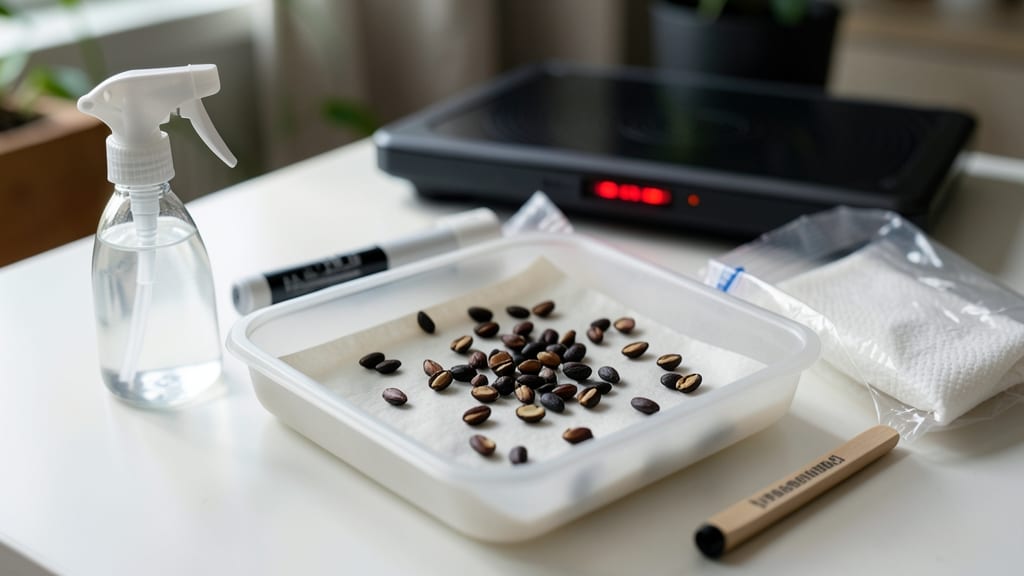
Cold stratification transforms passion flower seeds from stubborn to sprouting within weeks. 🌱 I’ve battled these tricky seeds for years—until I cracked the code on moisture, temperature, and timing that finally gave me 90% germination rates in just 6-8 weeks.
The secret lies in mimicking nature’s winter chill: seeds need 60-80°F days followed by 40-50°F nights for 4-6 weeks before planting. Too much heat or dryness, and they’ll refuse to wake up. Too wet, and they’ll rot before sprouting.
Once they break dormancy, you’ll see tiny roots emerge first—delicate white threads that signal success. Keep them in a humid propagator or sealed plastic bag until the first true leaves appear, then transplant carefully to avoid shocking those fragile stems.
This method works for all passion flower varieties, from Passiflora caerulea to tropical hybrids. Skip the guesswork with these proven steps—your future blooms will thank you.
📚 In This Guide
- What you need
- Instructions
- Tips and common mistakes
- Wrapping up and next steps
What you need
- ● Passion flower seeds: Fresh or store-bought (ensure they’re not dried out). Aim for 5–10 seeds per batch for experimentation.
- ● Cold stratification medium: Option 1: Moistened peat moss or coconut coir (sterilized, 1–2 cups per batch).
- ● Option 2: Vermiculite or perlite (fine-grade, 1 part to 1 part water by volume).
- ● Plastic storage bag or airtight container: Gallon-sized with a zip-top closure (or a sealable Tupperware).
- ● Spray bottle: With water (or a mist attachment for even moisture).
- ● Label & marker: To track seed varieties and stratification dates.
- ● Refrigerator: Set to 35–40°F (2–4°C) (standard fridge temp works!).
- ○ Small fan (optional): For gentle air circulation (prevents mold).
- ○ Grow lights (optional): LED or fluorescent (12–16 hrs/day) for post-stratification sprouting.
- ○ Seedling trays (optional): 4–6 inch pots with drainage holes for transplanting.
- ○ Humidity dome (optional): To retain moisture during germination.
Step-by-Step instructions for germinating passion flower seeds
Here’s how to break the dormancy cycle and coax those stubborn passion flower seeds into sprouting reliably.
🌱 Step 1: Harvest and Prepare Seeds for Stratification
Collect mature passion flower seeds from fully ripe pods—they’ll be hard and glossy, often embedded in a gelatinous pulp. Rinse them thoroughly under cool water to remove all residue, then let them air-dry on a paper towel for 24 hours. This prevents mold while preserving the seed’s natural moisture barrier.
Once dry, place the seeds in a small paper envelope or mesh bag. Store them in a sealed plastic bag with a damp paper towel—just enough moisture to keep it slightly damp, not soaking. This mimics the natural winter chilling period passion flowers need to break dormancy.
❄️ Step 2: Cold Stratify for 6-8 Weeks
Place the sealed bag in your refrigerator’s crisper drawer, where temperatures hover around 35-40°F. Check weekly—if the towel dries out, mist it lightly with water. You’ll see nothing happening at first, but inside, the seeds are undergoing a biochemical reset that signals spring.
After 6-8 weeks, remove the seeds and inspect them. They should feel slightly softer when gently squeezed between your fingers. This is your cue that stratification worked—they’re now primed to germinate. If they’re still hard, extend the cold treatment by another 2 weeks.
🌱 Step 3: Sow in Warm, Moist Growing Medium
Fill small pots (3-4 inches deep) with a sterile seed-starting mix blended with 20% perlite for drainage. Moisten the mix until it feels like a wrung-out sponge—damp but not soggy. Plant seeds ½ inch deep, spacing them 1 inch apart to avoid overcrowding as they grow.
Cover the pots with clear plastic wrap to trap warmth and humidity. Place them in a warm spot (around 70-75°F) like on top of your fridge or near a sunny window. Germination can take 2-4 weeks, so patience is key—don’t disturb the soil until you see tiny green sprouts.
☀️ Step 4: Transition to Light and Care for Seedlings
The moment you spot first true leaves (not the initial seed leaves), remove the plastic wrap. Move seedlings to a bright, indirect light spot—direct sun can scorch their delicate leaves. A grow light positioned 4 inches above the plants ensures even growth if natural light is limited.
Water gently from the bottom by placing pots in ½ inch of water for 10 minutes, then drain excess. Overhead watering can cause damping-off, a fungal disease that collapses seedlings overnight. Thin to the strongest seedling per pot once they reach 2 inches tall.
🪴 Step 5: Harden Off and Transplant
After 6-8 weeks of growth, when seedlings have 4-5 leaves and sturdy stems, it’s time to harden them off. Place them outdoors in a shaded spot for 1 hour daily, gradually increasing exposure over 10 days. This acclimates them to wind and sun without shock.
Transplant outdoors after the last frost, choosing a spot with full sun to partial shade and well-draining soil. Passion flowers are vining climbers, so install a trellis or support structure at planting. Water deeply at the base to encourage root establishment, and mulch with 2 inches of organic matter to retain moisture.
Tips & tricks for passion flower seed germination
These insider strategies will help you bypass the most common pitfalls and achieve reliable germination every time.
Timing Secret: The 24-hour drying period in Step 1 is non-negotiable—it’s the difference between moldy seeds and a successful start. I’ve ruined batches by rushing this step, so trust the process. Use a fan on low to speed up drying without compromising moisture balance, but never skip the full time.
Temperature Matters: While the refrigerator’s crisper drawer at 35-40°F works perfectly, you can also use a seed stratification fridge if available. If your fridge runs warmer, place the bag on the bottom shelf where temps are most stable. The key is consistency—fluctuations above 45°F can break dormancy prematurely.
Visual Cues for Success: In Step 2, when checking seed softness after 6-8 weeks, compare them to almonds. A properly stratified seed should feel slightly softer than a raw almond but still hold its shape. If they feel rock-hard, extend the cold treatment—passion flower seeds are stubborn but not impossible.
Make-Ahead Strategy: You can prepare everything up to Step 2 weeks in advance and store the sealed bag in the fridge. Just remember to check moisture weekly—dampness is critical for breaking dormancy. This head start means you’ll only need to focus on sowing when the timing aligns with your planting schedule.
Pro Tips for Passion Flower Seed Germination
- These insider strategies will help you bypass the most common pitfalls and achieve reliable germination every time.
- Timing Secret: The 24-hour drying period in Step 1 is non-negotiable—it’s the difference between moldy seeds and a successful start.
- Temperature Matters: While the refrigerator’s crisper drawer at 35-40°F works perfectly, you can also use a seed stratification fridge if available.
Frequently asked questions
How long does passion flower seed cold stratification take?
Cold stratification for passion flower seeds typically takes 6 to 12 weeks. Place seeds in a moist medium (like peat moss) in a sealed bag in your fridge (33–41°F). Check them monthly—if they sprout, remove them from cold treatment immediately to prevent mold.
Can I germinate passion flower seeds without cold stratification?
While possible, cold stratification dramatically improves germination rates (from ~10% to 70%+). Without it, soak seeds in warm water for 24 hours, then plant in a warm, humid environment (75–85°F). Patience is key—it may take months to see sprouts!
Why aren’t my passion flower seeds germinating after stratification?
Check these common culprits:
- Improper moisture: Keep the medium damp (not soggy) during stratification.
- Temperature swings: Ensure consistent fridge temps (avoid freezer sections!).
- Old seeds: Fresh seeds (1–2 years old) germinate best.
- Light exposure: Seeds need darkness during stratification; wait until sprouts emerge before moving to light.
What’s the best temperature for germinating passion flower seeds post-stratification?
Once removed from cold, maintain 70–85°F for optimal germination. Use a seedling heat mat if your home runs cooler. Avoid direct sunlight until sprouts appear—gentle, indirect light suffices. A humidity dome or plastic wrap helps retain moisture.
Can I grow passion flower from cuttings instead of seeds?
Cuttings are faster and easier for established plants. Take 4–6 inch semi-hardwood cuttings in spring/summer, dip in rooting hormone, and plant in perlite/peat mix. Keep humid and warm (75°F+) until roots form (~4–6 weeks). Seed germination is more rewarding for rare varieties!
Wrapping up and next steps
Germinating passion flower seeds with cold stratification unlocks the secret to vibrant, reliable blooms—no green thumb required! By mimicking nature’s timing, you’ve now got a clear, step-by-step blueprint to break dormancy and coax those delicate sprouts into life. 🌱
Ready to watch your garden transform? Plant those prepped seeds in well-draining soil, keep them cozy, and soon you’ll be rewarded with lush vines and stunning flowers. Next up: Share your progress or experiment with container growing—your passion flower journey is just beginning!