
Lawn
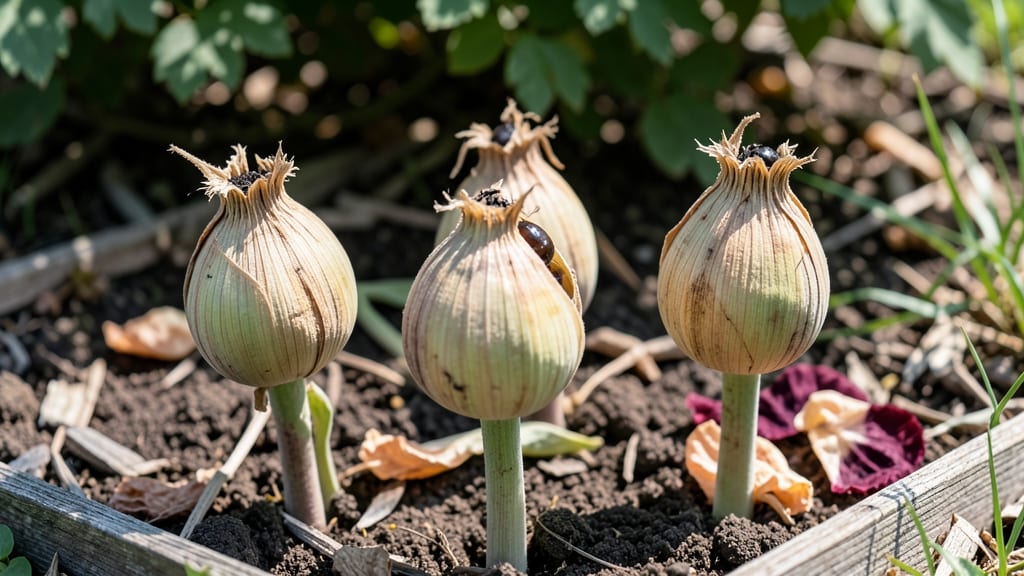
Those swirling oriental poppy seed pods are nature’s most dramatic summer showstoppers—and they’re easier to grow than you think. 🌸 I’ve watched mine transform from fuzzy green buds into intricate, papery spirals that hum with bees and butterflies all season long.
The key to getting them is understanding when to plant, how to protect them from pests, and when to harvest those iconic seed pods without missing the magic.
The secret starts with full sun and well-draining soil—no soggy roots allowed. Oriental poppies hate wet feet, so amend heavy soil with compost or plant on a slight mound. Deadhead spent blooms in early summer to redirect energy into more flowers, and watch as those seed pods form by mid-July.
They’ll dry to a stunning silver-gray, making perfect cut flowers or dried arrangements.
By late summer, you’ll have pods ready to collect for next year’s garden. Simply twist them off when they’re dry and papery—no tools needed. Store them in a cool, dry place until spring, when you’ll scatter them lightly over fresh soil.
The first year might be spotty, but once established, these poppies multiply like wildfire, filling your garden with pollinator-friendly drama.
Perfect for cottage gardens, wildflower meadows, or even container plantings. The only downside? You’ll want to grow more every year once you see how effortlessly they thrive. Here’s how to make it happen without the guesswork.
📚 In This Guide
- What you need
- Instructions
- Tips and common mistakes
- Wrapping up and next steps
What you need
- ● Oriental poppy seeds (e.g., Papaver orientale varieties like ‘Peach Blush’ or ‘Black Cow’): 2–4 oz per 10 sq ft (adjust for desired density).
- ● Well-draining garden soil: Amend with compost (1–2 inches) or a 50/50 mix of garden soil and perlite/sand if your soil is heavy.
- ● Organic mulch (e.g., straw or shredded bark): 1–2 inches to retain moisture and suppress weeds.
- ● Balanced fertilizer (10-10-10 or 5-10-10): 1 tbsp per sq ft at planting and again in early spring.
- ● Garden trowel or transplanting spade (for digging holes 1–2 inches deep).
- ● Garden gloves (to protect hands from prickly pods and soil).
- ● Watering can or hose with a gentle spray nozzle (poppies hate soggy soil!).
- ● Pruners or shears (for deadheading spent blooms to encourage more pods).
- ● Dried flower preservative spray (to extend pod life for crafts or arrangements).
- ● Pollinator-friendly companion plants (e.g., lavender, salvia, or catmint) to attract bees and butterflies.
- ● Epsom salt (1 tbsp per gallon of water) for a magnesium boost if leaves look pale.
How to grow oriental poppies for stunning seed pods
These striking blooms aren't just pretty—they're pollinator magnets with dramatic spiraled seed heads that last all season.
🌱 Step 1: Choose the Perfect Planting Location
Oriental poppies thrive in full sun—at least 6-8 hours daily. I always pick the sunniest spot in my garden because they wilt in shade. The soil should drain well; these plants hate soggy roots. Amend heavy clay with 2-3 inches of compost to improve drainage before planting.
Poppies dislike being disturbed, so avoid areas where you'll need to move them later. I mark the spot with a stake to remember where I planted them—these beauties grow 2-3 feet tall and need space to sway in the breeze without crowding neighbors.
🌱 Step 2: Plant Seeds at the Right Time and Depth
Sow seeds in early spring or fall, 1/4 inch deep, since they need cold stratification to germinate. I scatter seeds lightly over the soil rather than pressing them in—poppy seeds are tiny and need just enough light to sprout. Space them 12-18 inches apart for mature plants.
Water gently after planting, but don't soak the soil. Oriental poppies germinate best when kept consistently moist but not wet. You'll see tiny green sprouts in 2-3 weeks—don't be alarmed if they look delicate at first. Thin seedlings to 12 inches apart once they have two true leaves.
☀️ Step 3: Provide Consistent Care for Strong Growth
Once established, poppies are drought-tolerant, but they reward regular watering with bigger blooms. Water at the base 1-2 times weekly during dry spells, aiming for 1 inch of water per week. Avoid wetting the foliage to prevent fungal diseases.
Fertilize lightly in early spring with a balanced 10-10-10 formula—too much nitrogen makes them floppy. I skip fertilizer after midsummer to encourage seed pod development. Deadhead spent blooms to redirect energy into those iconic spiraled seed pods that last all fall.
✂️ Step 4: Preserve Seed Pods for Winter Interest
Leave the seed pods on the plant until they turn papery brown and begin to open. This usually happens in late summer or early fall. The swirling patterns become more pronounced as they dry. I like to tie a few stems with twine and hang them indoors for winter decoration.
To collect seeds, place a paper bag over the pod and gently shake it when it's fully dry. Store seeds in a cool, dry place for next year's planting. The pods themselves make stunning dried arrangements—just let them air-dry completely before handling.
🐝 Step 5: Attract Pollinators Year-Round
Oriental poppies are bee and butterfly magnets, especially when paired with other nectar-rich flowers like lavender or coneflowers. I plant them near my vegetable garden to boost pollination. The seed pods provide winter food for birds and shelter for beneficial insects.
For continuous blooms, I plant successive batches every 2-3 weeks in spring. This ensures fresh flowers and seed pods throughout the growing season. The more you grow, the more pollinators will visit—it's a beautiful cycle of color and life.
Tips & tricks for perfect oriental poppy seed pods
Here's what nobody tells you about growing these showstopping blooms—tricks that'll make your garden the talk of the neighborhood.
Sunlight Strategy: Those 6-8 hours of full sun are non-negotiable, but here's the secret: position your poppies where they'll get morning sun and afternoon shade if you live in a hot climate. I've noticed the seed pods develop their most dramatic swirls when plants get bright light but aren't scorched midday. If your garden has limited sun, consider growing them in containers where you can move them to sunnier spots as needed.
Seed Planting Hack: The 1/4-inch depth is critical, but don't overthink it—poppy seeds are so tiny that even a light dusting works. I've found that sprinkling them on top of the soil and barely pressing them in gives just enough light penetration for germination. For extra insurance, especially in cooler climates, I cover the area with a thin layer of straw mulch after planting to help maintain consistent moisture without smothering the seeds.
Watering Wisdom: That 1-2 times weekly watering guideline works best when you water deeply each time rather than frequent shallow waterings. I use a soaker hose to deliver water at the base of the plants, which prevents wetting the foliage and reduces fungal risks. In Step 3, you'll notice the plants develop deeper roots when watered this way, which makes them more drought-tolerant as they mature.
Pollinator Power Move: For maximum pollinator attraction, plant your oriental poppies in clusters of at least 3 plants. I've seen firsthand how bees and butterflies are much more likely to visit when they can find multiple flowers in one area. Pair them with early-blooming flowers like alyssum in spring and late-season bloomers like asters in fall to create a continuous food source for pollinators throughout the growing season.
Pro Tips for Oriental Poppy Seed Pods
- Here's what nobody tells you about growing these showstopping blooms—tricks that'll make your garden the talk of the ...
- Sunlight Strategy: Those 6-8 hours of full sun are non-negotiable, but here's the secret: position your poppies where...
- Seed Planting Hack: The 1/4-inch depth is critical, but don't overthink it—poppy seeds are so tiny that even a light ...
Frequently asked questions
Got questions about growing oriental poppy seed pods?
Here’s what you need to know to keep your garden buzzing with pollinators all season long!
When is the best time to plant oriental poppy seed pods?
Plant seeds in early spring (as soon as the soil is workable) or late summer for a fall display. Oriental poppies thrive in cool weather—avoid planting in hot, dry spells. For best results, sow seeds directly in the garden rather than starting indoors.
How do I attract more pollinators to my oriental poppy seed pods?
Pollinators love oriental poppies! To boost their visit, plant nearby native wildflowers (like coneflowers or black-eyed Susans) and avoid pesticides. Leave some seed pods on the plant—they provide food for birds and late-season bees. A shallow water source (like a birdbath) nearby will also help!
How long do oriental poppy seed pods take to mature?
From seed to full bloom, oriental poppies typically take 60–90 days. Seed pods form 4–6 weeks after flowering and can remain decorative for several weeks if left on the plant. If you’re growing them for cut flowers, harvest pods when they’re dry but still intact for the best texture.
What can I do if my oriental poppy seed pods aren’t forming?
Missing pods? Check these fixes:
- Lack of sunlight: Poppies need full sun (6+ hours/day)—move to a sunnier spot.
- Over-fertilizing: Too much nitrogen = lush leaves, fewer flowers. Use a low-nitrogen fertilizer or none at all.
- Deadheading too late: Remove spent blooms before pods form if you want more flowers, but leave some to develop pods.
- Disease or pests: Fungal issues (like powdery mildew) can weaken plants. Space plants for airflow and treat with neem oil if needed.
Can I use oriental poppy seed pods for crafts or dried arrangements?
Once pods are completely dry and brown, gently remove them from the stem. Use them in:
- Winter wreaths or garlands
- Dried flower arrangements (they add texture and movement!)
- Seed paper or homemade potpourri
Wrapping up and next steps
Oriental poppy seed pods aren’t just a stunning addition to your lawn—they’re a low-maintenance powerhouse for pollinators and seasonal charm. 🌸 Their dramatic swirls and effortless growth make them a must-have for gardeners who love beauty with minimal fuss.
Whether you’re a beginner or a seasoned green thumb, these pods prove that easy landscaping can be breathtaking.
Ready to transform your outdoor space? Start small—plant a few pods this season and watch your garden buzz with life! For extra inspiration, browse seed varieties or check out local gardening groups to share your progress. Happy planting! 🌱