
Lawn
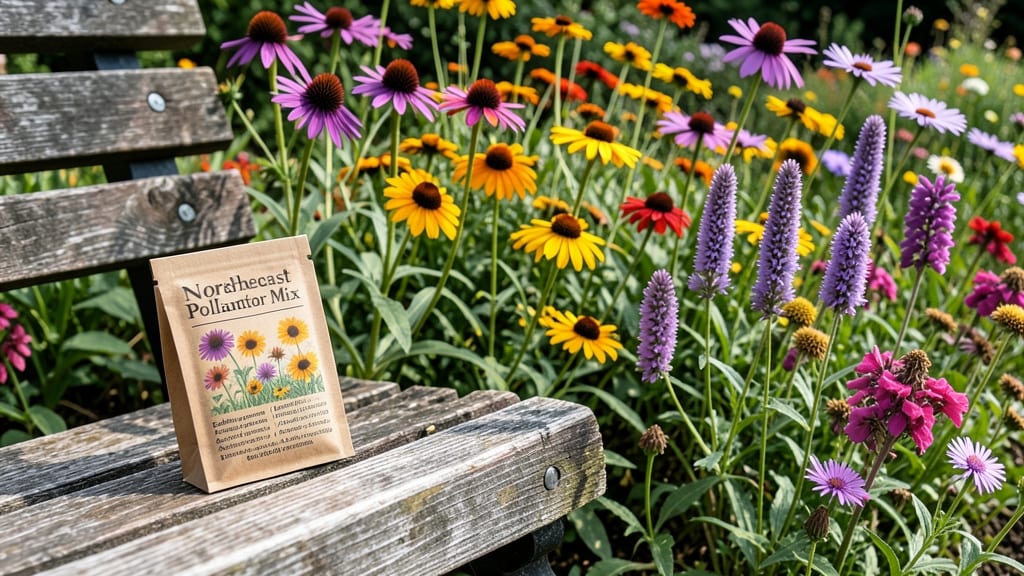
A Northeast pollinator wildflower seed mix can turn your yard into a buzzing, fluttering paradise—even in winter. 🌸 I planted mine last spring, and by July, monarchs and bumblebees were claiming it as their own. The secret? Choosing native species that thrive in our cold winters and hot summers.
You’ll need a sunny spot (at least 6 hours of light), loose soil, and a light touch when planting. Scatter seeds thinly in early spring or fall—no need to bury them. A quick rake and watering is all it takes. The flowers will return year after year with minimal effort.
By summer, your garden becomes a pollinator buffet, with blooms from early spring to late fall. Hummingbirds sip nectar, bees gather pollen, and butterflies lay eggs—all while your yard stays vibrant. The best part? No chemicals, just pure, thriving biodiversity.
Works in meadows, borders, or even containers. Perfect for beginners and eco-conscious gardeners alike. Let’s get those seeds in the ground and watch nature thrive!
📚 In This Guide
- What you need
- Instructions
- Tips and common mistakes
- Wrapping up and next steps
What you need
- ● Northeast Pollinator Wildflower Seed Mix: 1–5 lbs (depending on planting area; 1 lb covers ~1,000 sq ft). Choose a high-quality, native seed blend for best results.
- ● Preparation Tools: Garden rake or hoe (for clearing debris)
- ● Garden hose with a spray nozzle (for watering)
- ● Planting Area: Sunny spot (6+ hours of direct sunlight daily)
- ● Well-draining soil (amend with compost if needed)
- ● Soil Tester Kit: To check pH (ideal: 6.0–7.0 for most Northeast wildflowers).
- ● Broadcast Spreader: For even seed distribution (especially for larger areas).
- ● Mulch or Straw: Light layer to retain moisture (1–2 inches).
- ● Garden Gloves: To protect your hands during prep.
- ● Stakes or Markers: To outline planting boundaries (helpful for first-time gardeners!).
- ● Choose a dry day for planting (rain can wash seeds away).
- ● Clear the area of weeds or grass (or use solarization for stubborn patches).
- ● Check local frost dates—wait until after the last frost in spring (or plant in early fall for a head start!).
Step-by-Step guide to planting your Northeast pollinator wildflower seed mix
Transform your yard into a buzzing, fluttering paradise with this easy method.
🌱 Step 1: Prepare the Planting Site
Choose a location with at least 6 hours of sunlight daily—partial shade works for late-season bloomers like asters, but full sun ensures the most vibrant displays. Clear the area of weeds, grass, and debris, then loosen the top 4-6 inches of soil with a rake or garden fork. This helps roots establish quickly.
For best results, till in a 1-inch layer of compost to improve soil fertility without overwhelming the delicate wildflower seeds. If your soil is heavy clay or sandy, mix in a 2-inch layer of organic matter like leaf mold or well-aged manure. The goal is loose, crumbly soil that seeds can push through easily.
💧 Step 2: Scatter Seeds and Lightly Cover
Sow seeds in early spring or late summer, when soil temperatures are 50-70°F. Scatter seeds evenly by hand or use a seed spreader for larger areas. Aim for about 10-15 seeds per square foot—wildflowers self-seed naturally, so you don’t need perfect spacing. Lightly press seeds into the soil with your hand or a board to ensure good seed-to-soil contact.
Cover seeds with a thin layer of soil or compost—no deeper than ¼ inch. If planting in exposed areas, sprinkle a light layer of straw or mulch to protect seeds from drying winds. Water gently but thoroughly, keeping the soil moist until germination. You’ll see the first sprouts in 2-4 weeks, depending on the species and weather.
☀️ Step 3: Maintain Through the Growing Season
Once seedlings emerge, reduce watering to once a week unless you experience a prolonged dry spell. Wildflowers thrive on natural rainfall and develop deep roots that access moisture. Avoid overwatering—this can cause seedlings to rot or attract pests. Let the soil dry slightly between waterings to encourage strong root growth.
Allow flowers to go to seed at the end of the season—they’ll reseed naturally for years to come. If you want to control spread, cut back spent blooms in late fall or early winter. Leave some seed heads for wildlife, especially in winter when food sources are scarce. Mulch lightly in late fall with 2-3 inches of straw to protect emerging seedlings from harsh weather.
⏰ Step 4: Enjoy Year-Round Blooms and Support Pollinators
With proper care, your wildflower meadow will bloom from early spring through fall, providing nectar and pollen for bees, butterflies, and hummingbirds. Early bloomers like violets and phlox feed emerging pollinators, while late-season asters and goldenrod support migrating species. Keep an eye out for monarch butterflies—they rely on milkweed, which is often included in pollinator mixes.
After the first year, you’ll notice fewer gaps as wildflowers spread naturally. Add a few new species each year to extend the blooming season and support a wider range of pollinators. Avoid pesticides—even natural ones can harm the very creatures you’re trying to attract. With minimal effort, your garden will become a thriving ecosystem that benefits both wildlife and your local environment.
Tips & tricks for perfect Northeast pollinator wildflower meadows
Here's what I've learned after transforming my own yard into a buzzing pollinator paradise—these tricks make all the difference.
Sunlight Strategy: The 6 hours of sunlight requirement is non-negotiable for most pollinator favorites, but I've found that adding a few shade-tolerant species like wild bergamot (if included in your mix) can extend the blooming season in partially shaded areas. These plants thrive with just 4-5 hours of sun and will still attract bees and butterflies. Just be prepared for slightly less vibrant blooms compared to full-sun varieties.
Soil Prep Secret: When mixing in that 1-inch layer of compost in Step 1, I like to add a handful of worm castings to the center of my planting area. The worms help break down organic matter faster and create natural aeration channels for those delicate wildflower roots. It's an optional upgrade that gives seedlings a head start, especially in heavy clay soils where drainage can be an issue.
Planting Timing Tip: The 50-70°F soil temperature window is perfect for germination, but I've noticed that late summer plantings (August-September) often outperform spring plantings in my zone 5 climate. The cooler soil temperatures and consistent moisture from summer rains create ideal conditions. If you're planting in spring, aim for early April when soil temperatures start climbing toward that 50°F threshold.
Watering Wisdom: That 2-4 week germination window can feel like an eternity, but I've learned to check soil moisture daily by pressing my finger about 1 inch deep. If it feels dry at that depth, it's time to water gently. A soaker hose works wonders—it delivers water directly to the soil without disturbing the delicate seeds. Once seedlings emerge, I switch to the once-weekly watering schedule mentioned, but I always check for dryness before watering rather than sticking to a rigid calendar.
Pro Tips for Northeast Pollinator Wildflower Seed Mix
- Here's what I've learned after transforming my own yard into a buzzing pollinator paradise—these tricks make all the difference.
- These plants thrive with just 4-5 hours of sun and will still attract bees and butterflies.
- Soil Prep Secret: When mixing in that 1-inch layer of compost in Step 1, I like to add a handful of worm castings to the center of my planting area.
Frequently asked questions
Got questions about planting and maintaining your Northeast Pollinator Wildflower Seed Mix?
You’re not alone! Here are answers to the most common queries to help you create a thriving habitat for bees, butterflies, and other pollinators—without the guesswork.
When is the best time to plant this seed mix in the Northeast?
The ideal window is late summer to early fall (August–September) or early spring (March–April). Planting in fall gives seeds time to establish roots before winter, while spring planting ensures they germinate with warm soil. Avoid planting in peak summer heat, as seeds may dry out.
How much water does the seed mix need after planting?
Keep the soil consistently moist (not soggy) for the first 2–3 weeks—about ¼ inch of water per week. Once established, wildflowers are drought-tolerant, but deep watering 1–2 times per week during dry spells keeps them thriving. Pro tip: Water in the early morning to reduce evaporation and fungal risks.
Will this mix work in shady areas, or does it need full sun?
This blend thrives in full sun (6+ hours daily), but some varieties (like wild bergamot or black-eyed Susan) tolerate partial shade (3–6 hours of sun). For shadier spots, consider adding native shade-tolerant species like wild columbine or Virginia bluebells to your mix. Test your site’s sunlight first!
How long until I see bees and butterflies visiting?
With proper care, you’ll likely spot pollinators within 6–8 weeks as the first blooms emerge! Some fast-growing varieties (like clover or milkweed) attract visitors even sooner. Bonus: Leave some seed heads standing in winter—they provide food for birds and early-season pollinators.
What do I do if weeds overtake my wildflower patch?
Weeds are common early on, but don’t despair! Once wildflowers establish (after 1–2 years), they’ll outcompete weeds naturally. Hand-pull weeds in spring/fall, or use a mulch layer (like straw) to suppress them. Avoid herbicides—they harm pollinators and young plants. Pro tip: Mow high (3–4 inches) to help wildflowers thrive.
Can I use this mix in containers or small gardens?
Choose deeper containers (12+ inches) with drainage holes and a well-draining soil mix. A 5–10 lb bag can fill a 5-gallon pot or a 4’x4’ raised bed. Just ensure containers get full sun and water regularly until roots establish. Tip: Mix in compost for extra nutrients in small spaces.
Wrapping up and next steps
Transforming your Northeast garden into a thriving pollinator paradise is easier—and more rewarding—than you think! With a Northeast pollinator wildflower seed mix, you’re not just planting seeds; you’re creating a lifeline for bees, butterflies, and other vital pollinators while adding year-round beauty to your outdoor space. 🌸
Ready to take the next step? Start small—whether it’s a sunny patch, a rain garden, or even a container—then watch your garden burst into life. Your pollinators will thank you!