
Lawn
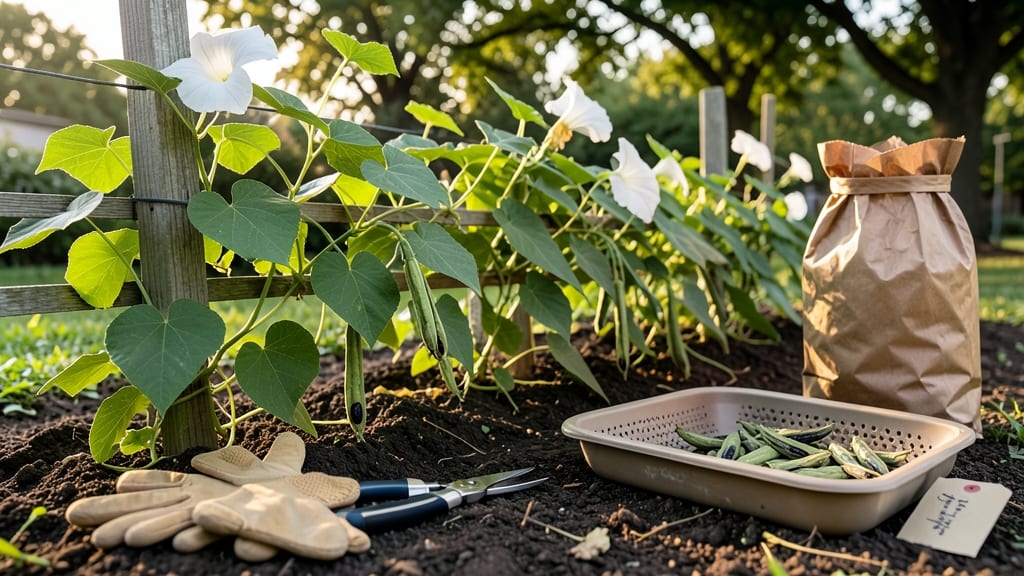
Moonflower seed pods are nature’s way of preserving these ethereal blooms—if you know how to handle them right. 🌙 Harvesting and storing them properly means you’ll wake up to those ghostly white flowers again next summer, but skip a step and you’ll end up with shriveled, useless seeds.
The key is timing: pods turn from green to papery brown when fully ripe, usually in late summer or early fall, depending on your zone.
You’ll need just a few simple tools: sharp pruners, brown paper bags for drying, and an airtight container for storage. The process is straightforward—snip the pods when they’re dry but still intact, then let them air-dry in a cool, dark place for about two weeks.
Once completely dry, crack them open to release the seeds, which should be firm and plump, not dusty or moldy.
When spring rolls around, you’ll be ready to sow those seeds directly in the garden after the last frost. Moonflowers are fast growers, so expect those first vines to climb within weeks.
The payoff? A summer of effortless, fragrant blooms that open at dusk and close by dawn, just like magic.
If your seeds don’t germinate, don’t panic—it might just need a little more patience or a cold stratification trick. With the right handling, you’ll turn these delicate pods into next year’s garden centerpiece. Here’s how to make it happen without the guesswork.
📚 In This Guide
- What you need
- Instructions
- Tips and common mistakes
- Wrapping up and next steps
What you need
- ● Moonflower seed pods: 10–20 mature, fully browned pods (harvest when they’ve dried on the vine but are still intact).
- ● Sharp pruning shears or scissors: 1 pair (sterilized to prevent disease transfer).
- ● Paper bags or breathable mesh bags: 2–4 (brown kraft paper or seed-saving bags work best). Label each with the harvest year!
- ○ Desiccant packets (optional but helpful): 1–2 (to absorb excess moisture during storage).
- ● Permanent marker or labels: 1 (for tagging bags with variety and date).
- ● Air-tight storage container: 1 (glass jar or plastic bin with a tight seal for long-term storage).
Step-by-Step guide to harvesting and storing moonflower seed pods
Here's how I preserve moonflower seeds year after year—simple, foolproof, and ready for next season's blooms.
🌿 Step 1: Identify and Harvest Ripe Seed Pods
Moonflower pods turn from green to brown when ready—wait until they're completely dry and papery to the touch. I check them in late summer or early fall, usually 2-3 weeks after the flowers close. Gently twist the pod at its base; it should release easily if fully mature.
Harvest on a dry morning after the dew has evaporated. Use clean, sharp scissors or pruners to avoid crushing the pods. Place them in a paper bag to let them finish drying naturally—this prevents mold from trapped moisture.
⏰ Step 2: Dry the Pods Thoroughly
Spread the harvested pods in a single layer on a screen or clean towel in a warm, dry place with good airflow. I use a sunny windowsill or a well-ventilated room with 60-70°F temperatures. Avoid direct sunlight, which can overheat and crack the pods.
Turn the pods every 2-3 days to ensure even drying. They're ready when the outer shell feels brittle and the seeds rattle inside. If any pods develop mold or soft spots, remove them immediately—they'll ruin the whole batch.
🪴 Step 3: Extract and Clean the Seeds
Once fully dry, gently crush each pod between your fingers over a clean surface. The seeds will spill out while the papery husk crumbles away. I use a small bowl to catch them—this keeps stray debris from mixing in. Discard any seeds that look shriveled or discolored.
Sift the seeds through a fine mesh strainer to remove dust and chaff. Store only the clean, plump seeds in an airtight container. If you're unsure about seed viability, do a quick float test: drop a few in water—good seeds sink while empty ones float.
💧 Step 4: Store Seeds Properly for Viability
Place the clean seeds in a small envelope or airtight jar with a desiccant packet to absorb moisture. I label each container with the date and variety—moonflower seeds stay viable for 3-5 years if stored correctly. Keep them in a cool, dark place like a pantry or refrigerator.
Check the container every 6 months for signs of moisture or pests. If you notice any musty smells or condensation, transfer the seeds to a fresh container immediately. Proper storage ensures you'll have healthy plants ready to bloom again next summer.
Tips & tricks for perfect moonflower seed pod Preservation
Here's what nobody tells you about getting every last seed ready for next year's garden.
Timing Secret: The 2-3 week window after flowers close is your best shot at ripe pods. I've learned the hard way that harvesting too early means immature seeds that won't sprout, while waiting too long risks them popping open naturally. Mark your calendar when you first see flowers close—this gives you a precise 2-3 week countdown to harvest time.
Storage Wisdom: That paper bag trick in Step 1 isn't just about preventing mold—it's also a natural way to test pod maturity. If pods still feel damp after 24 hours in the bag, they need more time on the vine. Only proceed when they feel completely dry to the touch, even if that means waiting an extra day or two. The extra patience pays off with higher germination rates.
Seed Viability Test: The float test in Step 3 is my favorite quality control—it's free, instant, and foolproof. I always test a few seeds before storing the whole batch. If more than 10% float, there might be an issue with pod maturity or storage conditions. This simple test saves me from planting questionable seeds that won't grow.
Long-Term Preservation: For maximum viability beyond the 3-5 year mark, consider adding a small packet of silica gel to your storage container. I've had seeds remain viable for up to 7 years using this extra precaution, though standard storage conditions work perfectly fine for most gardeners. The key is maintaining that cool, dark environment consistently.
Pro Tips for Moonflower Seed Pods
- Here's what nobody tells you about getting every last seed ready for next year's garden.
- Timing Secret: The 2-3 week window after flowers close is your best shot at ripe pods.
- Storage Wisdom: That paper bag trick in Step 1 isn't just about preventing mold—it's also a natural way to test pod maturity.
Frequently asked questions
Got questions about saving moonflower seed pods?
You’re not alone! Here are the answers to the most common queries—from timing to troubleshooting—so you can prep for next year’s stunning blooms with confidence.
When is the best time to harvest moonflower seed pods?
Harvest moonflower seed pods when they turn light brown and begin to split open naturally. Aim for late summer to early fall (August–October in most regions) before the first frost. If left too long, the pods may release seeds prematurely or attract pests. Pro tip: Pick them on a dry morning for easier handling!
How do I know if the seeds inside are viable?
Viable moonflower seeds are plump, firm, and dark brown inside the pod. If they’re shriveled, hollow, or moldy, they won’t sprout. Test a few by crushing them—good seeds release a creamy, mealy texture. Store only the best ones in a cool, dry place. Fun fact: Freshness drops after 1–2 years, so label your pods!
Can I grow moonflowers from store-bought seeds instead of saving my own?
Store-bought seeds are a great backup, but homegrown pods ensure true-to-type blooms (especially for heirloom varieties). If you choose store-bought, pick organic, non-GMO seeds for healthier plants. Just mimic natural conditions—moonflowers thrive in warm climates and need trellises to climb.
What should I do if my seed pods develop mold or pests?
Mold or pests (like weevils) ruin seeds fast. Act quickly: Discard affected pods immediately. Store remaining seeds in airtight containers with silica gel packets or a vacuum-sealed bag. For prevention, harvest pods early and keep them in a well-ventilated, dry spot until processing. Warning: Never store damp or damaged pods—they’ll spoil!
How long can I store moonflower seeds before planting?
Moonflower seeds stay viable for 1–2 years if stored properly (cool, dark, and dry). After that, germination rates drop sharply. Test a few seeds before committing to a full planting—soak them overnight in warm water to check for sprouting. For best results, plant fresh seeds in spring or early summer. Remember: Patience pays off—these vines grow fast!
Do moonflower seed pods need special treatment before planting?
Nope! Moonflower seeds are easy to grow—just scatter them on moist soil (they don’t need stratification). Lightly cover with ¼-inch soil and water gently. They germinate best in warm soil (70°F+). For faster sprouts, soak seeds overnight first. Avoid overwatering—they hate soggy soil!
Wrapping up and next steps
Moonflower seed pods are a gardener’s secret to next year’s stunning blooms—and with the right drying and storage techniques, you’re already setting yourself up for success! 🌙✨ Whether you’re a seasoned grower or a curious beginner, preserving these delicate pods ensures a fresh start when the seasons turn. Now’s the perfect time to act: gather your supplies, follow the steps, and let nature do the rest.
Happy gardening—your future moonflowers are counting on you!