
Lawn
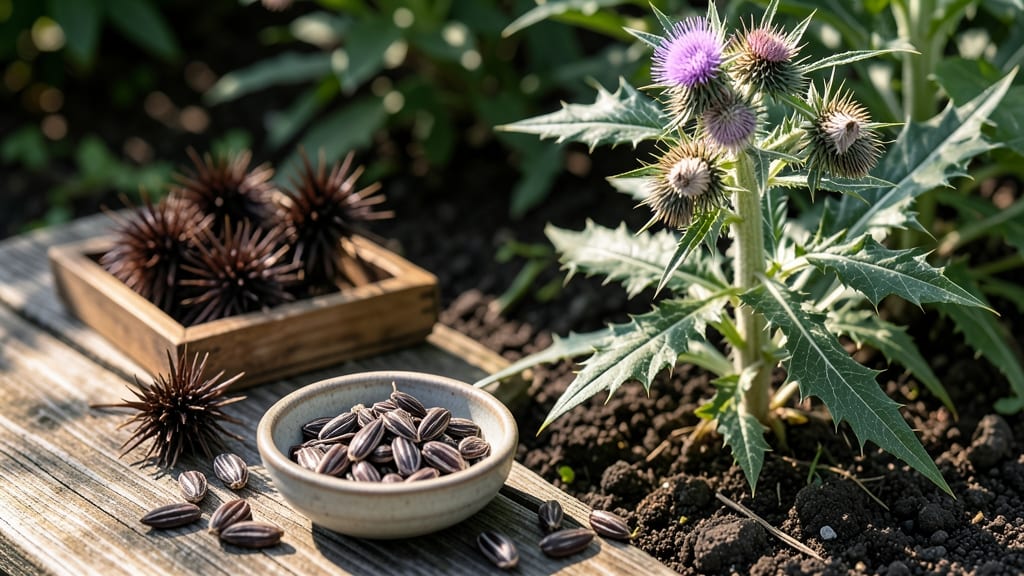
Milk thistle seed tea might sound like an odd gardening project, but this earthy infusion is packed with liver-supporting benefits—and you can grow the seeds yourself. 🌿 I’ve been sipping my own homemade tea for years, and the difference in my digestion is noticeable.
The seeds contain silymarin, a compound that helps protect and regenerate liver cells, making it a natural remedy worth growing.
Growing milk thistle is surprisingly easy—it thrives in full sun and well-drained soil, and the spiky purple flowers are a striking addition to any garden. Harvest the seeds when they turn brown and papery, then dry them thoroughly before brewing.
A simple steep of 1 teaspoon of seeds in hot water for 10-15 minutes makes a soothing, slightly nutty tea that’s gentle on the stomach.
The real magic happens in the benefits: improved liver function, reduced bloating, and even support for blood sugar balance. I’ve noticed my energy levels stay steadier after regular use, and it’s a great way to repurpose garden-grown herbs.
Just be mindful of dosage—start with 1 cup daily and adjust as needed.
Whether you’re growing it for its ornamental value or its health perks, milk thistle is a low-maintenance plant that pays off in more ways than one. Next time you’re harvesting seeds, set aside some for tea—your liver (and taste buds) will thank you.
📚 In This Guide
- What you need
- Instructions
- Tips and common mistakes
- Wrapping up and next steps
What you need
- ● Milk thistle seeds (Silybum marianum) – 1–2 teaspoons (2–5 grams) per cup. Look for organic, whole seeds or cut-and-sifted for faster infusion. Avoid pre-ground powder unless specified (it loses potency quickly).
- ● Fresh, filtered water – 1 cup (8 oz) per serving. Avoid tap water with strong chlorine or fluoride flavors.
- ● Small saucepan or tea infuser – A stainless steel or glass pot (avoid aluminum or reactive metals).
- ● Fine-mesh strainer or cheesecloth – To filter seeds from the liquid.
- ● Tea mug or glass – Prefer ceramic or glass to avoid plastic leaching.
- ○ Mortar and pestle (optional) – Lightly crush seeds for faster infusion (but don’t over-grind).
- ● Tea timer or phone alarm – Ensures precise steeping (5–10 minutes).
- ○ Honey, lemon, or cinnamon (optional) – Enhances flavor without masking milk thistle’s earthy notes.
- ● Storage jar (airtight) – For pre-soaked seeds (if making a batch).
- ○ Digital scale (optional) – For precise measurements if experimenting with ratios.
Step-by-Step instructions for brewing milk thistle seed tea
Here's how to create a soothing, liver-supportive infusion that's both simple and effective.
🌱 Step 1: Prepare the Milk Thistle Seeds
Start with 1 teaspoon of crushed milk thistle seeds—the finer you grind them, the more flavor and beneficial compounds you'll extract. I like to use a mortar and pestle for this step, as it releases the seeds' earthy oils without overheating them. If you don't have one, a clean coffee grinder works just fine.
Place the crushed seeds in a small bowl and cover them with ½ cup of cool water. Let them soak for 10-15 minutes—this softens the outer shell and kickstarts the extraction process. You'll notice the water taking on a pale green tint as the seeds release their nutrients.
💧 Step 2: Heat and Steep the Seeds
Transfer the soaked seeds and water to a small saucepan and bring to a gentle simmer over medium-low heat. Once it reaches a gentle boil, reduce the heat immediately and let it steep for 5-7 minutes. Covering the pot with a lid helps concentrate the flavor and prevents bitterness from developing.
During this time, the water will deepen in color to a rich amber hue. Stir occasionally to prevent the seeds from sticking to the bottom. If you notice the liquid becoming too strong or bitter, reduce the steeping time slightly next batch.
☀️ Step 3: Strain and Enhance the Tea
After steeping, remove the pot from heat and let it cool for 2-3 minutes before straining. Use a fine-mesh strainer or cheesecloth to remove the seeds—press gently to extract every last drop of liquid. The strained tea should be a deep, earthy green with a slightly nutty aroma.
For added flavor and digestive benefits, stir in 1 teaspoon of raw honey or a slice of fresh lemon. If you prefer a milder taste, you can dilute the tea with an equal amount of warm water. This step is optional but helps balance the tea's natural bitterness.
⏰ Step 4: Serve and Store Properly
Pour the tea into your favorite mug and enjoy it warm. For best results, drink it first thing in the morning or before bed—this aligns with your body's natural detox cycles. The tea should taste earthy, slightly bitter, and nutty, with a smooth finish.
If you can't finish the entire batch, store any leftovers in an airtight container in the refrigerator for up to 2 days. Reheat gently before drinking, as the tea's benefits diminish over time. I like to sip mine slowly, savoring the deep, herbal notes that remind me of a quiet forest walk.
Tips & tricks for perfect milk thistle seed tea
Here's what nobody tells you about crafting a truly exceptional herbal infusion.
Crushing Matters: The finer you crush the milk thistle seeds in Step 1, the more potent your tea will be. I learned this the hard way after making tea with whole seeds—it tasted weak and underwhelming. Use a mortar and pestle for best results, but if you don't have one, a clean coffee grinder works perfectly. Just be sure to clean it thoroughly after use to avoid cross-contamination with other flavors.
Steeping Precision: Those 5-7 minutes of steeping in Step 2 are absolutely critical. Too short, and you won't extract enough beneficial compounds; too long, and you risk bitterness. Watch for the color change from pale green to rich amber—this visual cue tells you when the tea is perfectly steeped. If you notice the liquid becoming too strong, reduce the steeping time by 1-2 minutes next batch.
Storage Wisdom: Leftovers keep for up to 2 days in the refrigerator, but the flavor does diminish over time. To preserve the maximum benefits, store in an airtight container and reheat gently before drinking. I like to make a fresh batch every morning, but if you must store it, place a piece of parchment paper on top of the tea to prevent oxidation and maintain freshness.
Optional Enhancements: The 1 teaspoon of raw honey or lemon in Step 3 is completely optional, but it does wonders for balancing the earthy flavor. If you prefer a milder taste, you can dilute the tea with an equal amount of warm water—just remember this reduces the concentration of beneficial compounds slightly. For maximum benefits, enjoy it undiluted.
Pro Tips for Milk Thistle Seed Tea
- Here's what nobody tells you about crafting a truly exceptional herbal infusion.
- Crushing Matters: The finer you crush the milk thistle seeds in Step 1, the more potent your tea will be.
- Steeping Precision: Those 5-7 minutes of steeping in Step 2 are absolutely critical.
Frequently asked questions
Got questions about brewing and enjoying milk thistle seed tea? You’re in the right place! Here are answers to the most common queries to help you steep with confidence.
How long should I steep milk thistle seeds for the best flavor and benefits?
Steep milk thistle seeds for 10–15 minutes in hot (not boiling) water—around 195°F (90°C)—to extract silymarin without bitterness. For a milder taste, try 8–10 minutes. Oversteeping can make it overly earthy. Pro tip: Cover your cup to preserve heat and aroma!
Can I reuse milk thistle seeds after brewing tea?
Yes! After steeping, rinse the seeds gently and store them in an airtight container in the fridge for up to 3–4 days. Reuse them 1–2 more times for weaker infusions. Avoid reusing if they smell musty or lose potency. Bonus: Compost them afterward for eco-friendly disposal!
What’s a good alternative if I don’t like the earthy taste of milk thistle?
Mix milk thistle seeds with ginger, cinnamon, or licorice root to balance flavors. For a sweeter twist, add a touch of honey or vanilla after brewing. If you dislike herbal teas entirely, consider milk thistle capsules or tinctures for liver support.
How often should I drink milk thistle seed tea for liver benefits?
Aim for 1–2 cups daily (e.g., morning and evening) for general liver support. Consistency matters more than quantity! If you’re using it for a specific health goal (like detox), consult a healthcare provider for personalized advice. Remember: Herbal teas aren’t a substitute for medical treatment.
Why does my milk thistle tea taste bitter, and how can I fix it?
Bitterness often comes from oversteeping or using too many seeds. Try these fixes:
- Reduce steeping time to 8–10 minutes.
- Use 1 tsp seeds per cup (adjust to taste).
- Add a pinch of salt or a slice of lemon to mellow flavors.
- Try a different water source—filtered or spring water can make a difference!
Wrapping up and next steps
Incorporating milk thistle seed tea into your routine could be a simple yet powerful way to nurture your liver’s health—naturally! 🌿 With its earthy depth and potential benefits like toxin support and antioxidant properties, this herbal infusion is worth exploring.
Whether you’re looking to boost wellness or just enjoy a comforting brew, start small: try a daily cup and observe how it fits into your lifestyle.
Ready to give it a try? Gather your seeds, follow the steps, and let your senses guide you. If you’re curious about other herbal teas or wellness tips, stay tuned—your journey to a healthier you begins with one mindful sip! ☕✨