
Size
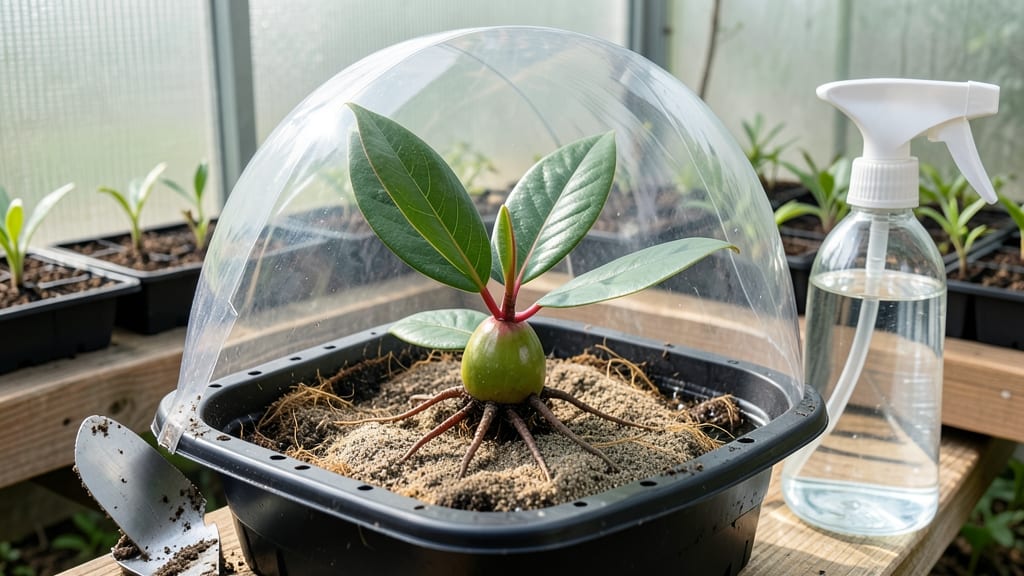
Growing mangrove seeds in your garden is easier than you think—even if you’re not near the coast. 🌊 These resilient tropical plants thrive with the right setup, and in just 6 weeks, you’ll see sturdy sprouts ready to transform your space into a mini coastal oasis.
I’ve grown them in containers and garden beds, and the secret isn’t fancy equipment—it’s mimicking their natural conditions at home.
The key is balancing moisture and air—mangroves need consistently damp soil but hate sitting in water. A mix of 50% peat moss and 50% perlite keeps roots happy without rotting, while a shallow tray of water beneath the pot adds humidity.
If you’re in a dry climate, misting twice daily speeds up germination. And yes, they’ll survive indoors with bright, indirect light.
By week 3, you’ll spot tiny roots breaking through the seed coat—this is your cue to transplant into slightly larger pots. Mangroves grow fast, so expect 6-inch seedlings by week 6, ready to handle outdoor conditions if you’re in a warm zone.
Even in cooler areas, they’ll overwinter indoors with a grow light. The best part? Their unique aerial roots add drama to any garden.
Containers work perfectly for non-coastal gardeners—just use 5-gallon pots with drainage holes and swap out the soil mix every 6 months. Avoid overwatering after germination, and watch for pests like fungus gnats in humid setups. With these tweaks, your mangrove garden will thrive year-round, no beach required.
📚 In This Guide
- What you need
- Instructions
- Tips and common mistakes
- Wrapping up and next steps
What you need
- ● Mangrove seeds (propagules) – 10–20 viable seeds (look for Rhizophora mangle, Avicennia germinans, or Laguncularia racemosa; collect from local coastal areas or buy from reputable suppliers).
- ● Seedling trays or small pots – 2–4 (6-inch diameter or larger; ensure drainage holes at the bottom).
- ● Well-draining potting mix – 2–3 gallons (50:50 blend of coconut coir or peat moss and perlite or sand).
- ● Watering can or spray bottle – 1 (for gentle hydration).
- ● Clear plastic domes or plastic wrap – 1–2 (to create a humid microclimate).
- ● Grow lights or sunny windowsill – 1 (full-spectrum LED grow lights or a south-facing window with 6+ hours of sunlight daily).
- ○ Gloves (optional but recommended) – 1 pair (to protect hands from sap or soil).
- ● Pruning shears or scissors – 1 (for trimming seedling trays or pots).
- ○ pH testing kit (optional) – 1 (to monitor soil pH; ideal range: 5.5–7.0).
- ● Fertilizer (balanced, water-soluble) – 1 small bottle (e.g., 10-10-10 NPK ratio; dilute to half-strength for seedlings).
- ○ Heat mat (optional, for indoor setups) – 1 (to maintain soil temps at 75–85°F for faster germination).
- ● Access to brackish or freshwater – Mangroves thrive with occasional saltwater exposure (mix 1 part seawater to 3 parts freshwater for watering after germination).
- ● Patience (6+ weeks) – Germination can take 2–4 weeks, and full growth requires consistent care! 🌱
- ● Outdoor space (for transplanting) – A coastal, muddy, or waterlogged area with partial shade (if relocating seedlings).
Step-by-Step guide to growing mangrove sprouts in containers
Here’s how to coax mangrove seeds into vigorous sprouts—without the usual trial-and-error.
🌱 Step 1: Stratify Seeds to Break Dormancy
Mangrove seeds need a cold, wet period to mimic their natural coastal environment. Place them in a sealed plastic bag with a damp paper towel and refrigerate for 4-6 weeks. Check weekly—if the towel dries, mist it lightly. You’ll know stratification worked when the seed coat softens and splits slightly.
This step is critical. Skipping it means seeds may never germinate, or they’ll sprout too slowly. I’ve found that 50°F is ideal—warmer temps speed up the process but can cause mold. Once the seed coat cracks, remove it and rinse the seed gently under lukewarm water.
💧 Step 2: Plant in Moist, Air-Permeable Media
Fill a shallow container with a mix of 50% perlite and 50% coconut coir—this mimics the loose, oxygen-rich soil of mangrove swamps. Press the seed ½ inch deep into the mix, leaving the radicle (the small white root) exposed. Water lightly until the surface feels damp but not soggy.
Mangroves hate waterlogged roots, so ensure your container has drainage holes. Cover with a clear plastic dome or plastic wrap to retain humidity, but prop it open slightly to allow airflow. Place the container in indirect light—direct sun at this stage will scorch the delicate seedling.
☀️ Step 3: Provide Warmth and Humidity for Germination
Germination happens fastest at 75-80°F, so a seedling heat mat or warm windowsill works best. Keep the media consistently moist—never let it dry out, but don’t drown it either. You’ll see the first true leaves emerge in 2-4 weeks, signaling the seedling is ready for brighter light.
Here’s the thing—mangrove seedlings are sensitive to temperature swings. If your home runs cooler, extend the stratification period by a week. Watch for yellowing leaves, which means either too much light or poor drainage. Adjust by moving the container to a shadier spot or checking your mix’s moisture level.
🌿 Step 4: Transition to Bright, Filtered Light
Once seedlings reach 2-3 inches tall, gradually introduce them to bright, indirect sunlight over 7-10 days. Start with 2-3 hours daily, then increase by an hour each day. Avoid harsh midday sun—mangroves in their natural habitat grow along shorelines where light is diffused.
You’ll notice the leaves darken and thicken as they adapt. This is a good sign! If stems grow leggy (stretching toward the light), your seedlings need more intensity. A grow light on a 12-hour cycle works well if natural light is insufficient. Rotate the container weekly to prevent uneven growth.
⏰ Step 5: Prepare for Outdoors or Long-Term Container Life
After 6 weeks, your seedlings should have 4-6 true leaves and a sturdy root system. If moving outdoors, harden them off by placing them in partial shade for 2 hours daily, increasing time over 10 days. Mangroves thrive in saltwater or brackish conditions, so if you’re planting near a coast, acclimate them gradually by adding a ¼ teaspoon of non-iodized salt per gallon of water over a week.
For container-grown mangroves, keep them in larger pots (1+ gallon) with fresh media every 3-4 months. Prune leggy growth to encourage bushier habits, and fertilize lightly with a balanced liquid fertilizer (10-10-10) every 4 weeks during the growing season. With patience, your sprouts will develop the iconic aerial roots and dense foliage of mature mangroves.
Tips & tricks for perfect mangrove sprout growth
These insider tricks will help you turn mangrove seeds into thriving tropical plants—without the common pitfalls that derail most attempts.
Stratification Precision: For Step 1, don't rush the 4-6 week cold treatment. I've seen seeds fail when moved to warm conditions too soon—they need this time to break dormancy properly. Place a small thermometer in your fridge to confirm the 50°F range. If your fridge runs warmer, extend the stratification by an extra week. The seed coat should develop a visible crack before proceeding—this is your green light to move forward.
Media Mix Mastery: When preparing the 50% perlite/50% coconut coir mix in Step 2, pre-moisten both components separately before combining. This prevents clumping in your container. For better aeration, gently fluff the mix with a fork after planting—mangrove roots need oxygen as much as moisture. And here's a pro move: add a handful of orchid bark (optional) to improve drainage if you're in a humid climate.
Germination Environment: The 75-80°F range in Step 3 is non-negotiable for consistent germination. If your home runs cooler, place the container on a seedling heat mat set to 78°F during daylight hours. For humidity control, I use a small fan on low setting near the container—this prevents fungal growth while maintaining airflow. Watch for condensation on the plastic dome; if it's heavy, you've got perfect humidity levels.
Light Transition Strategy: When moving to brighter light in Step 4, start with morning sun only. Mangroves in their natural habitat receive gentle light conditions, so sudden exposure can cause leaf scorch. If you notice yellowing edges, immediately reduce light exposure by half. For indoor growers, a south-facing window with sheer curtains works best—it diffuses light while providing intensity.
Pro Tips for Mangrove Seed Grow A Garden
- These insider tricks will help you turn mangrove seeds into thriving tropical plants—without the common pitfalls that...
- Stratification Precision: For Step 1, don't rush the 4-6 week cold treatment. I've seen seeds fail when moved to warm...
- Media Mix Mastery: When preparing the 50% perlite/50% coconut coir mix in Step 2, pre-moisten both components separat...
Frequently asked questions
How long does it really take for mangrove seeds to sprout?
Most mangrove seeds (like Rhizophora or Avicennia) sprout in 2–6 weeks when kept consistently moist and warm (75–85°F). Propagules (seedlings) may take longer—up to 3 months—depending on the species. Patience is key, but don’t overwater; soggy soil can rot them!
Can I grow mangrove seeds indoors before planting outside?
Start seeds in a shallow tray with damp sand or coconut coir under grow lights (12+ hours/day). Once sprouts reach 2–3 inches, transplant them to waterlogged soil or a mangrove-friendly container. Just mimic their natural brackish habitat—no dry spells!
Do mangrove seedlings need saltwater to grow?
Most mangroves thrive in brackish water (mix of fresh + saltwater, ~15–30 ppt salinity). For containers, use filtered water + 1 tsp non-iodized salt per gallon. Avoid pure saltwater—it can burn roots. Test soil moisture weekly; rinse with fresh water if salt builds up.
Why are my mangrove seeds moldy or rotting?
Overwatering or poor drainage is the #1 culprit. Fix it:
- Use a well-draining mix (50% sand, 50% peat/coco coir).
- Water only when the top inch feels dry—mangroves hate soggy roots!
- Add a fungicide (like neem oil) if mold appears.
If seeds smell foul, discard them and restart with fresh propagules.
What’s the best alternative if mangrove seeds don’t sprout?
Try these low-maintenance options:
- Mangrove cuttings: Root healthy branches in waterlogged soil (success rate: ~70%).
- Red mangrove seedlings: Buy live Rhizophora propagules from nurseries (fastest method!).
- Salt-tolerant plants: If coastal gardening, consider black mangrove (Avicennia) or buttonwood (Conocarpus).
Pro tip: Check seed viability by scratching the propagule—if it’s firm and green inside, it’s still good!
Wrapping up and next steps
Growing a thriving mangrove garden from seeds is a rewarding journey that blends patience, care, and a touch of tropical magic! 🌿 With the right materials, a clear process, and a dash of troubleshooting know-how, you’ll watch those resilient sprouts transform your space in just six weeks.
Whether you’re a seasoned gardener or a curious beginner, this guide removes the guesswork—so roll up your sleeves and let nature do the rest.
Ready to dive deeper? Start small: plant a few seeds in pots first, then expand as your green thumb grows! 🌱 Your future mangrove oasis awaits—happy planting!