
Lawn
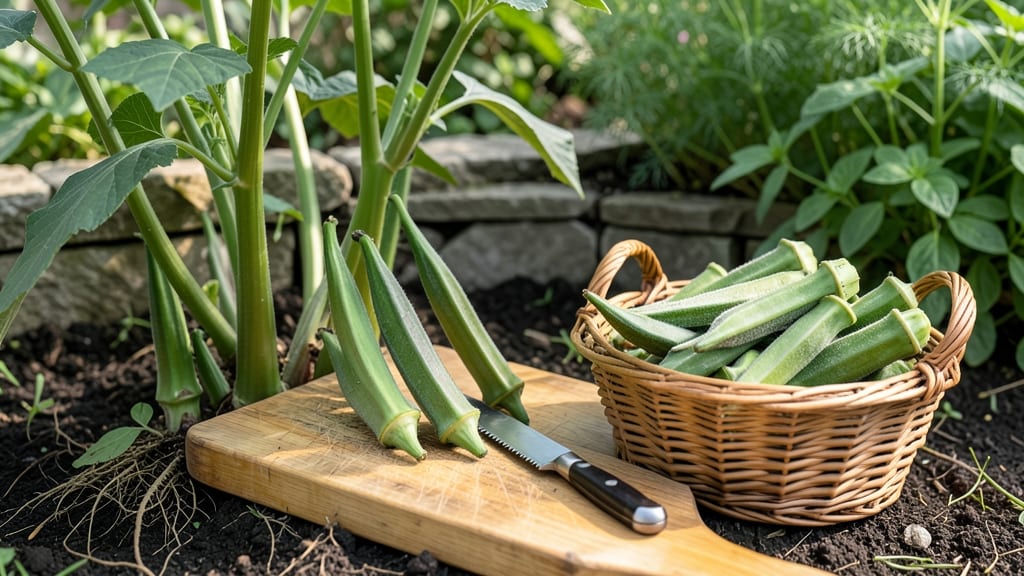
The edible seed pods from the mallow family taste like a cross between okra and green beans—crunchy, tender, and packed with nutrients. 🌱 I first discovered them growing wild in my grandmother's field, and now I grow them intentionally for their unique flavor and versatility in the kitchen.
These pods are surprisingly easy to cultivate, even for beginners who've struggled with other vegetables.
The key to growing them is patience and the right conditions: full sun, well-draining soil, and consistent moisture. Varieties like Hibiscus esculentus (okra) or Abelmoschus manihot (vegetable spider flower) produce pods that can be harvested when young and tender, about 3-5 inches long.
They thrive in warm climates but can also be grown in containers if you live in cooler areas.
Once harvested, the pods can be stir-fried, pickled, or added to soups for a texture unlike any other vegetable. The seeds inside are edible too, with a nutty flavor that works well in ground form or sprouted.
With just one plant, you'll have enough pods for multiple meals—no grocery store needed.
Watch out for pests like aphids and spider mites, which love mallow plants. A simple spray of neem oil usually keeps them at bay. The biggest challenge is waiting for the pods to develop—rushing the harvest means tough, fibrous pods instead of the tender ones you want.
📚 In This Guide
- What you need
- Instructions
- Tips and common mistakes
- Wrapping up and next steps
What you need
- ● Gloves (nitrile or leather) – Protects hands from prickly stems and potential irritants (1 pair).
- ● Pruning shears or sharp knife – For cleanly harvesting seed pods without damaging plants (1 pair).
- ● Small mesh bag or basket – Collects pods without crushing them (1-2 units).
- ○ Notebook & pen – Optional but helpful for logging plant locations and identification notes.
- ● Cutting board (medium-sized) – For trimming and cleaning pods (1 unit).
- ● Chef’s knife or paring knife – Sharp enough to slice through fibrous pods (1 unit).
- ● Colander or strainer – Rinses pods thoroughly (1 unit).
- ● Paper towels or clean kitchen towel – Dries pods before storage (1 roll or 2-3 towels).
- ● Air-tight container (glass or BPA-free plastic) – Stores dried pods for up to 6 months (1-2 units).
- ● Field guide or plant ID app – Confirms you’ve got the right mallow species (e.g., Malva neglecta or Althaea officinalis).
- ● Magnifying glass – Checks for tiny pests or damage on pods.
- ● Food dehydrator or oven – Speeds up drying if you’re processing large batches.
- ● Spice grinder or mortar & pestle – Grinds seeds into flour or powder for recipes.
Simple steps to harvest and prepare mallow family seed pods
Here’s how to transform wild finds into delicious, nutritious additions to your kitchen—no fancy tools required.
🌿 Step 1: Identify and Harvest Mature Seed Pods
Focus on plants from the mallow family like okra, hibiscus, or wild mallows (Malva neglecta). Look for fully mature pods—these will be dry, papery, and slightly woody to the touch. Avoid green or plump pods, as they’re still developing seeds and may be bitter or tough. I always check for smooth, rounded pods that open easily when gently squeezed.
Harvest on a dry morning after the dew has evaporated. Use clean, sharp scissors or your fingers to twist pods free from the stem. Place them in a paper bag to keep them dry—moisture speeds up spoilage. If you’re unsure about identification, cross-reference with a field guide or app like iNaturalist to confirm you’ve got an edible variety.
✂️ Step 2: Clean and Prepare the Pods
Spread the harvested pods on a clean towel or baking sheet in a single layer. Brush off any dirt, debris, or small insects with a soft brush or your hands. For tougher pods, like those from okra, you can soak them in warm water for 10-15 minutes to soften any stubborn attachments. Drain and pat dry gently with a paper towel.
If the pods are very fibrous, like those from wild mallows, you can lightly toast them in a 350°F oven for 5-10 minutes to enhance flavor and reduce bitterness. This step isn’t mandatory but adds a nutty depth to the taste. Just keep an eye on them—they burn faster than you’d think!
🌱 Step 3: Extract and Store the Seeds
Once the pods are clean and dry, place them in a clean, dry jar or bowl. Gently crush or roll them with a rolling pin or the bottom of a pot to break them open. The seeds will spill out easily—this is the fun part! Sift through the debris to separate the seeds, discarding any hulls or chaff. For larger pods, like okra, you can split them open with a small knife to access the seeds more efficiently.
Store the seeds in an airtight container in a cool, dark place. They’ll keep for 6-12 months if kept dry. For immediate use, you can also store the whole pods in a breathable fabric bag, like a muslin sack, to preserve their texture and flavor for 2-3 weeks in the fridge.
🍽️ Step 4: Cook and Enjoy the Seeds or Pods
Mallow family seeds are versatile—use them whole, ground into flour, or toasted as a snack. For a simple treat, lightly toast the seeds in a dry skillet over medium-low heat for 3-5 minutes, stirring constantly, until they’re golden and fragrant. Sprinkle them over salads, soups, or yogurt for a crunchy, earthy kick.
For a more substantial dish, grind the seeds into a flour and use them to thicken stews or make flatbreads. The pods themselves can be sliced thinly and sautéed like okra—toss them in olive oil, salt, and a pinch of chili flakes, then cook until tender. The texture is slightly mucilaginous, similar to okra, which works beautifully in gumbo or stir-fries.
Tips & tricks for perfect mallow family seed pod preparation
These simple yet game-changing tricks will help you get the most flavor and nutrition from your wild harvest—without the guesswork.
Identification Confidence: When checking for mature pods in Step 1, look for the telltale "squeezable" quality—mature pods should open slightly when pressed between your fingers. I've learned the hard way that green pods can be bitter and fibrous, so always prioritize dry, papery ones. For extra certainty, rub a pod between your fingers: mature ones will release a fine powder (the seeds), while immature ones feel slimy or rubbery.
Cleaning Efficiency: In Step 2, skip the soaking for most wild mallows unless you're dealing with particularly stubborn dirt. A soft-bristle toothbrush works wonders for removing debris from crevices—it's more precise than your fingers and saves time. For larger batches, spread pods on a fine mesh screen instead of a towel to let debris fall through while you brush. This two-step method cuts cleaning time nearly in half.
Toast with Precision: The 5-10 minute toasting range in Step 2 is your flavor window—set a timer and watch closely. I recommend toasting at 350°F until you smell that nutty aroma (about 7-8 minutes for wild mallows). If you see any pods darkening before the timer goes off, remove them immediately—they'll burn faster than you expect, and that bitter taste is hard to salvage.
Seed Extraction Hack: For Step 3, place your clean pods in a clean pillowcase instead of a jar. Tie the top and gently beat with a wooden spoon—this creates a natural sifter effect as you crush, letting seeds fall through while debris stays trapped. It's a forager's secret that saves you from tedious sifting later. The seeds will spill out cleanly, ready for storage or cooking.
Pro Tips for Mallow Family Edible Seed Pods
- These simple yet game-changing tricks will help you get the most flavor and nutrition from your wild harvest—without the guesswork.
- Identification Confidence: When checking for mature pods in Step 1, look for the telltale "squeezable" quality—mature pods should open slightly when pressed between your fingers.
- Cleaning Efficiency: In Step 2, skip the soaking for most wild mallows unless you're dealing with particularly stubborn dirt.
Frequently asked questions
Got questions about harvesting and enjoying mallow family seed pods? You’re not alone! Here are some of the most common queries—and their answers—to help you forage confidently and safely.
What’s the best time to harvest mallow family seed pods?
Harvest seed pods when they’re fully mature but before they split open on their own. For most mallow species (like okra or hollyhock), this is late summer to early fall. Look for pods that feel dry and papery—squeeze gently to test! Avoid harvesting if pods are still green or already cracked open.
Are all mallow family seed pods edible? How do I tell safe ones apart?
Not all mallow family members are edible! Stick to well-known safe species like okra, hibiscus (roselle), or hollyhock pods. Avoid wild mallows unless 100% identified by an expert—some lookalikes (like Sida species) can cause skin irritation. When in doubt, double-check with a local foraging guide or app.
How do I prepare seed pods for eating? Do I need to cook them?
Most mallow seed pods need cooking to soften fibers and remove sliminess. Try these methods:
- Boiling: Simmer pods in salted water for 10–15 minutes (like okra).
- Sautéing: Quick-fry in oil with garlic or spices for a crispy texture.
- Baking: Toss with olive oil and herbs, then roast at 375°F (190°C) for 20–25 minutes.
What are some easy recipes for cooking mallow seed pods?
Start simple! Here are crowd-pleasers:
- Okra Stir-Fry: Slice pods thinly, stir-fry with bell peppers, onions, and soy sauce.
- Roselle Tea: Steep dried hibiscus pods in hot water for a tart, vitamin C-rich drink.
- Crispy Hollyhock Pods: Toss with flour, egg wash, and bake until golden—great as a snack or salad topper.
What should I do if I find bugs or mold in my harvested pods?
Discard any pods with holes, webbing, or fuzzy mold—these are red flags for pests or spoilage. To prevent issues:
- Harvest on dry days to avoid moisture buildup.
- Store pods in a paper bag (not plastic) in a cool, dark place.
- Use within 3–5 days or freeze for longer storage.
Wrapping up and next steps
Discovering the mallow family’s edible seed pods turns foraging into a delicious adventure—no green thumb required! 🌿 From identifying Malva neglecta to savoring their nutty, cucumber-like flavor, you’ve learned how to harvest, prepare, and enjoy nature’s pantry safely.
With just four simple steps, you’re now equipped to transform wild finds into gourmet meals or healing remedies.
Ready to put your new skills to the test? Start by exploring local parks or community gardens (with permission!) and share your harvest with friends. Happy foraging—and may your kitchen be forever wild! 🍽️✨