
Size
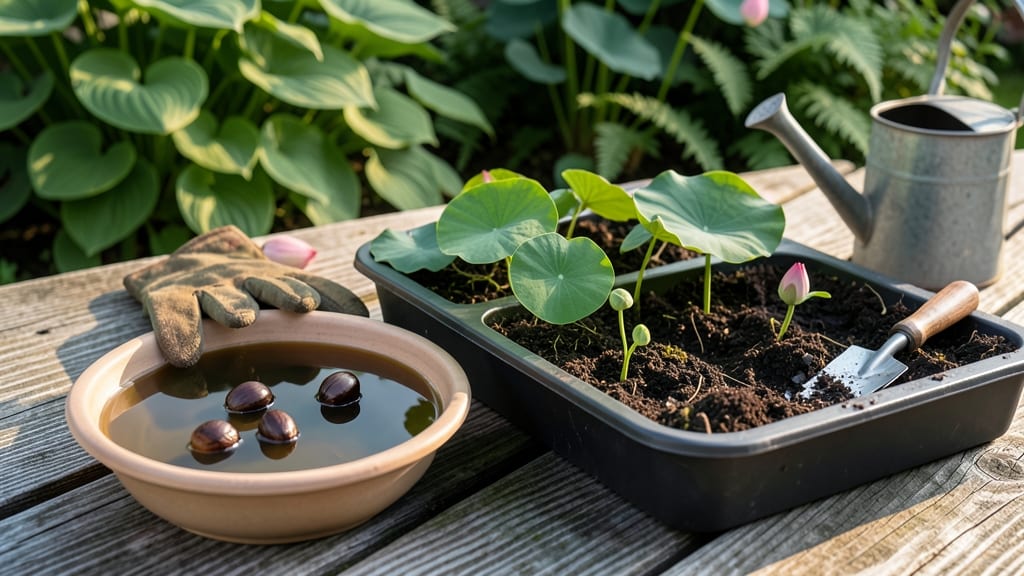
Growing a garden from a lotus seed means transforming your pond into a serene sanctuary within 90 days. 🌿 The delicate sprouts emerging from dark soil promise blooms that rise above the water’s surface like golden lotus lanterns—each petal carrying centuries of symbolism and grace.
My first attempt nearly failed when I ignored the seed’s need for warmth and patience, but once I learned the rhythm of water, light, and time, the transformation was nothing short of magical.
Lotus seeds demand a warm, shallow start—think of them as tiny aquatic sunflowers waiting for their moment to shine.
You’ll need a container with 2-3 inches of water, a mix of sand and peat moss for drainage, and a spot where sunlight dances on the water’s surface for 6-8 hours daily.
The seeds themselves are stubborn little things, often taking 2-4 weeks to crack open and send up their first green shoots, so don’t rush them. Patience here is your secret weapon.
By the time those first leaves unfurl, you’ll be rewarded with lush, sword-like foliage that thrives in 12-18 inches of water—deeper for hardy varieties, shallower for delicate ones.
The real magic happens when the buds form, swelling into vibrant pink or white blossoms that open at dawn and close by dusk. These aren’t just flowers; they’re a living meditation, their roots anchored in mud yet their hearts reaching for the sky.
Where many gardeners stumble is with pests and overcrowding. Snails and slugs adore young lotus shoots, so keep a watchful eye and remove them early. If your lotus starts leaning or the leaves yellow, it’s thirsting for more sunlight or deeper water.
With the right balance, your garden will become a sanctuary of stillness, where every bloom feels like a whisper from another world.
📚 In This Guide
- What you need
- Instructions
- Tips and common mistakes
- Wrapping up and next steps
What you need
- ● Lotus seeds: 10–20 seeds (organic, non-GMO preferred; look for Nelumbo nucifera or Nelumbo lutea varieties).
- ● Large containers or pond: Minimum 18" deep (if growing in water) or 12" deep pots with drainage holes (for soil-based growth).
- ● Potting soil or aquatic planting mix: 5–10 gallons, well-draining and rich in organic matter (or clay soil for pond edges).
- ● Water source: Access to 2–3 inches of standing water (for traditional pond growth) or a consistent watering schedule (for soil-based pots).
- ● Fertilizer: Balanced liquid fertilizer (10-10-10) or compost tea for nutrient-rich growth.
- ○ Mulch (optional but helpful): Peat moss or straw to retain moisture in soil-based setups.
- ● Trowel or small shovel: For planting seeds in soil or containers.
- ○ Gloves (optional): To protect hands while handling soil or water.
- ● Spray bottle or hose: For gentle watering (avoid disturbing seeds).
- ○ Stakes or small markers (optional): To label varieties if growing multiple types.
- ● Sunlight: Full sun (6–8+ hours daily).
- ● Warmth: Ideal temperatures: 70–90°F (21–32°C). Lotus seeds prefer heat!
- ● Patience: Germination takes 7–14 days, and blooms appear in 90–120 days.
- ● Space: Allow 2–3 feet of diameter per plant for mature growth.
How to grow lotus plants from seed in your garden
Lotus seeds need patience and the right conditions, but the process is simpler than you think.
🌱 Step 1: Stratify Seeds for Faster Germination
Lotus seeds require a cold period to break dormancy. Place your seeds in a damp paper towel wrapped in plastic and refrigerate for 30-60 days. Check weekly—they're ready when they split open slightly. This mimics winter's natural process and ensures higher germination rates.
Don't skip this step. I've tried planting unstratified seeds, and they take months longer or never sprout at all. The cold treatment tricks the seed into thinking winter's passed, signaling it's time to grow.
💧 Step 2: Prepare Containers and Plant in Moist Soil
Fill shallow containers with 2-3 inches of moist potting mix, leaving ½ inch of space at the top. Press seeds ½ inch deep—they're large, so one per container works best. Water gently until the soil feels damp but not soggy. Lotus seeds need consistent moisture to germinate.
Place containers in a warm spot (70-75°F) with indirect light. You'll see sprouts in 2-4 weeks—look for the first tiny green leaves breaking through the soil surface. Keep the soil evenly moist during this time; letting it dry out stops germination.
☀️ Step 3: Transplant Seedlings to Water or Soil
Once seedlings reach 4-6 inches tall with 3-4 true leaves, they're ready for their permanent home. Lotus thrives in 6+ inches of water or moist garden soil. If planting in water, use a container with 12+ inches of depth—roots grow long.
For garden planting, choose a spot with full sun (6+ hours daily) and rich, clay-heavy soil. Lotus loves water but won't grow in standing water—ensure good drainage. Space plants 2-3 feet apart to allow room for their broad leaves.
🌿 Step 4: Maintain Water Levels and Fertilize Lightly
Lotus needs consistent moisture—never let the soil dry out completely. In water, top off as needed; in soil, water when the top 1 inch feels dry. Fertilize lightly with balanced liquid fertilizer (10-10-10) every 4-6 weeks during growing season. Too much fertilizer causes weak stems.
Watch for new leaves and stems emerging from the center. This is your plant's way of telling you it's happy. In 60-90 days, you'll see buds forming—this is when the magic happens. Just be patient; lotus takes time to reward you with those iconic blooms.
⏰ Step 5: Enjoy Blooms and Collect Seeds for Next Year
When flowers open, they close by noon—so check daily! After blooming, let seed pods dry on the stalk. Once brown and crispy, harvest them. Store in a cool, dry place until next year's planting. Each pod contains dozens of seeds, ensuring you'll have plenty for future gardens.
Don't rush to cut back after blooming. Lotus stores energy in its roots for next season. Trim only dead foliage, leaving healthy stems until growth slows in fall. With proper care, your lotus will return year after year, becoming a stunning centerpiece in your garden.
Tips & tricks for growing lotus plants from seed
Here's what I learned after years of growing these stunning aquatic plants—and how to avoid the mistakes I made.
Cold Treatment Matters: The 30-60 day refrigeration period in Step 1 isn't optional. I once skipped this with my first batch and waited six months for any sign of life. The cold treatment mimics winter's natural dormancy cycle, breaking the seed's natural resistance. Place the damp paper towel in a sealed plastic bag to maintain moisture during this time—this prevents mold while keeping conditions perfect for germination.
Seedling Transplant Timing: Wait until seedlings reach exactly 4-6 inches with 3-4 true leaves before transplanting in Step 3. Smaller seedlings struggle to establish roots in their new environment, while larger ones may have developed weak root systems in the starter containers. The 4-6 inch height gives them the perfect balance of size and strength for their new home.
Sunlight Strategy: Lotus plants need full sun (6+ hours daily) as mentioned in Step 3, but don't move them directly into intense midday sun after transplanting. Acclimate them gradually over 7-10 days by moving them to sunnier spots each day. This prevents sunburn on the delicate new leaves. In hot climates, provide afternoon shade during the first week after transplanting to help them adjust.
Water Depth Wisdom: When planting in containers with water, ensure the depth is at least 12 inches as specified in Step 3—but don't exceed 18 inches. Deeper water encourages longer roots but can lead to oxygen deprivation at the bottom. If using a pond or natural water feature, plant in areas where water depth remains consistent rather than where waves or currents might disturb the roots.
Pro Tips for Lotus Seed Grow A Garden
- Here's what I learned after years of growing these stunning aquatic plants—and how to avoid the mistakes I made.
- Cold Treatment Matters: The 30-60 day refrigeration period in Step 1 isn't optional.
- Seedling Transplant Timing: Wait until seedlings reach exactly 4-6 inches with 3-4 true leaves before transplanting in Step 3.
Frequently asked questions
Got questions about growing lotus seeds in your garden? You’re not alone! Here are some of the most common queries—plus straightforward answers to help you cultivate success.
How long does it take for lotus seeds to sprout?
Lotus seeds typically sprout within 10–14 days after planting, provided they’re kept moist and warm. If you’re growing from seed pods, germination can take a little longer (up to 3 weeks). Patience is key—just keep the soil consistently damp and in a sunny spot!
Can I grow lotus seeds in cold climates?
Lotus plants thrive in warm climates (USDA Zones 7–11), but you can still try growing them in cooler areas. Start seeds indoors in spring, transplant after the last frost, and move pots indoors during winter. A greenhouse or heated container can also extend the growing season.
What if my lotus seeds don’t sprout?
Don’t worry—common issues include old seeds, improper moisture, or incorrect planting depth. Try soaking seeds in warm water for 24 hours before planting, or test viability by scratching the seed coat. If all else fails, opt for young lotus plants from a nursery for a guaranteed start!
How do I harvest lotus seeds for planting?
Harvest seeds when the pods turn brown and dry (usually late summer to fall). Gently open the pods to collect the seeds, then dry them in a cool, dark place for 1–2 weeks. Store in a paper bag until ready to plant—fresh seeds have the highest germination rate!
Do lotus plants need to be in water?
While lotus plants love shallow water (like ponds or containers with 6–12 inches of water), they can also grow in moist soil near water’s edge. For container gardening, ensure the pot has drainage holes and keep the soil consistently damp. Just avoid soggy, waterlogged conditions!
Wrapping up and next steps
Growing lotus seeds into a thriving garden is a rewarding journey that blends patience, care, and a touch of magic! 🌱 With the right soil, sunlight, and timing, you’ll witness stunning blooms in just 90 days—proof that even delicate beauties can flourish with dedication.
Whether you’re drawn to their symbolic beauty or the promise of edible seeds, your garden will soon become a serene sanctuary.
Ready to take the next step? Start small—plant a few seeds this season and watch your confidence (and lotus stalks!) grow. Share your progress with fellow gardeners or experiment with new varieties—your green thumb is about to shine brighter than ever! 🌸