
Size
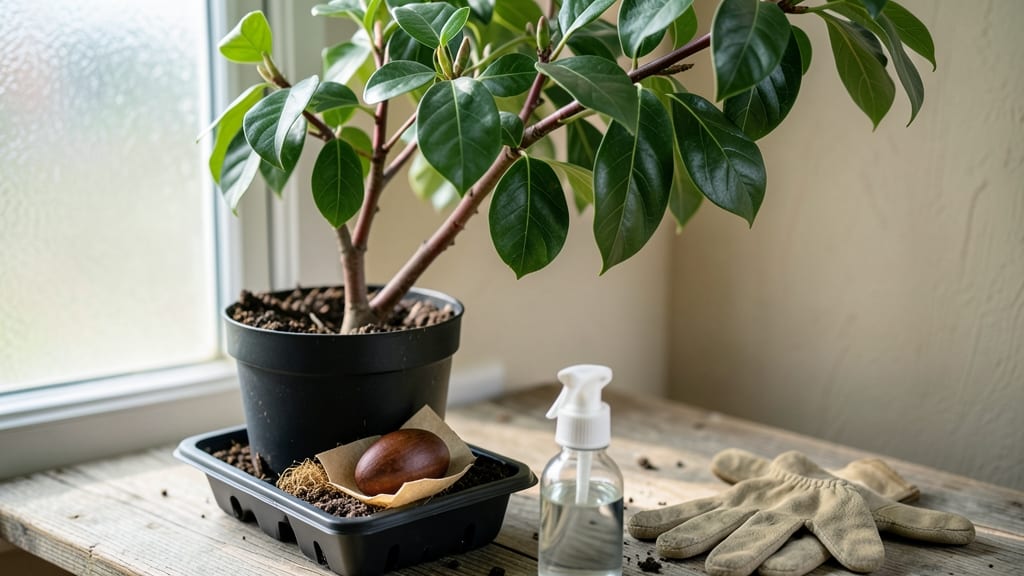
Growing a garden from a loquat seed turns kitchen scraps into a future orchard. 🌱 The process starts with that pit you spit out after snacking—with patience, it becomes a tree that could bear fruit in 5-10 years.
I’ve grown three from grocery store seeds, and while they’re slower than grafted trees, there’s nothing like watching a seedling become a small tree with glossy leaves.
The key is mimicking tropical conditions: warm soil (70-80°F), high humidity, and bright indirect light. Most seeds need 30-60 days to sprout, but some take months—don’t give up! Start with a small pot of well-draining mix (cactus soil works) and keep it moist but not soggy.
A clear plastic bag over the pot creates a mini greenhouse until sprouts appear.
Once leaves emerge, you’ll see rapid growth if you keep it warm and watered consistently. Within a year, your seedling could be 12-18 inches tall, though fruiting won’t happen for years.
The real reward? A tree you nurtured from something you’d normally toss—plus, the chance to grow a variety you’d never find at a nursery.
Here’s the catch: seed-grown loquats may not fruit true to the parent, and growth is slower than grafted trees. But for the gardener who loves experimentation, there’s no better way to grow a fruit tree from scratch. Ready to start your own?
📚 In This Guide
- What you need
- Instructions
- Tips and common mistakes
- Wrapping up and next steps
What you need
- ● Loquat seeds: 3–5 fresh, plump seeds (harvested from ripe loquat fruit; avoid seeds from store-bought fruit if possible, as they may be treated).
- ○ Small pots or seed trays: 3–5 (4-inch diameter minimum) with drainage holes. Optional: Biodegradable pots for transplanting.
- ● Well-draining potting mix: 1–2 bags (sterile, seed-starting mix or a blend of 50% peat moss, 30% perlite, and 20% vermiculite).
- ● Spray bottle: For gentle watering (avoid over-saturating seeds).
- ● Plastic wrap or humidity dome: To maintain moisture during germination.
- ○ Heat mat (optional but helpful): Keeps soil warm (70–85°F) to speed up germination.
- ● Tweezers or toothpick: For carefully placing seeds in soil.
- ● Fertilizer (balanced, low-nitrogen): 1 small bottle (e.g., 5-5-5 or 10-10-10, diluted to half-strength for seedlings).
- ● Grow lights or sunny windowsill: 12+ hours of light daily for seedlings.
- ● Larger container (6+ inches): For transplanting once seedlings sprout true leaves.
- ● Pruning shears: For trimming leggy growth later.
Step-by-Step instructions for germinating loquat seeds
Turn that fruit bowl scrap into a thriving young tree with these simple, foolproof steps.
🌱 Step 1: Extract and Prepare the Seeds
Cut open a ripe loquat and scoop out the seeds—you'll need about 4-6 seeds to ensure success. Rinse them gently under cool water to remove any fruit pulp, then lay them on a paper towel to air-dry for 1-2 hours. This prevents rot when you plant them later.
Here's the thing—loquat seeds have a hard outer shell that slows germination. To speed things up, I like to gently rub each seed between two sheets of sandpaper for about 30 seconds per seed. This scratches the shell just enough to let moisture penetrate without damaging the seed inside. Test one first: if you see a tiny crack, you've done enough.
💧 Step 2: Soak and Plant for Germination
Fill a small container with warm water and place the seeds inside. Let them soak for 24-48 hours—you'll know they're ready when they swell noticeably and feel lighter in your hand. Drain them well afterward to prevent mold.
Fill a 4-inch diameter pot with a mix of 50% potting soil and 50% perlite (this ensures good drainage). Plant each seed about ½ inch deep, spacing them 1 inch apart. Cover lightly with soil and mist gently until the surface feels damp but not soggy. Place the pot in a warm, shaded spot—70-75°F is ideal for germination.
☀️ Step 3: Provide Warmth and Monitor Sprouting
Keep the soil consistently moist by watering lightly every 2-3 days—the top inch should feel damp but not wet. Loquat seeds can take 2-4 weeks to sprout, so patience is key. You'll see the first sign of life when a tiny green tip pushes through the soil, followed by the first true leaves about 7-10 days later.
Once the seedlings reach about 2 inches tall, move them to a spot with bright, indirect light for 4-6 hours daily. Avoid direct sun at this stage—it can scorch the delicate new leaves. If you notice the stems stretching toward the light (a sign of legginess), rotate the pot daily so they grow straight and sturdy.
🪴 Step 4: Transplant and Encourage Strong Growth
When seedlings are 4-6 inches tall and have 4-5 true leaves, it's time to transplant them into individual 6-inch pots. Use the same soil mix as before, but this time, add a handful of compost to the bottom of each pot for extra nutrients. Gently remove the seedlings, keeping the root ball intact, and plant them at the same depth they were growing before.
Water thoroughly after transplanting, then place the pots in a location with morning sun and afternoon shade. Loquat trees love warmth but can't handle intense midday heat yet. You'll see new growth within 2-3 weeks—that's your signal everything is working. Pinch back the tips of the stems when they reach 6 inches to encourage bushier growth.
Tips & tricks for germinating loquat seeds
These simple strategies will help you transform kitchen scraps into thriving young trees with minimal effort.
Seed Prep Matters: The sandpaper trick in Step 1 isn't just optional—it's what makes the difference between waiting months and seeing sprouts in weeks. I've tried planting untreated seeds, and they often take twice as long to germinate. Just be gentle: you're not trying to crack the seed open, just rough up the surface enough for moisture to penetrate. Think of it like giving your seeds a tiny head start on their journey.
Soaking Strategy: When soaking your seeds for 24-48 hours in Step 2, don't be tempted to rush it. The seeds need this time to fully hydrate and activate their growth hormones. I've seen people soak for just 12 hours and wonder why their germination rates are low. Pro tip: use a clear container so you can see when the seeds start to swell noticeably—that's your visual cue they're ready for planting.
Light Management: The transition from warm, shaded spot to bright indirect light in Step 3 is crucial. I recommend placing your seedlings near an east-facing window where they'll get gentle morning sunlight. If you don't have window access, a grow light on a timer for 4-6 hours daily works perfectly. The key is avoiding direct midday sun—those delicate seedlings can get sunburned just like your skin would.
Transplanting Wisdom: When you're ready to move your seedlings to 6-inch pots in Step 4, handle them like you would a fragile piece of glass. The root system is delicate at this stage, and disturbing it too much can set back growth. I like to water the original pot thoroughly first, which helps loosen the soil and makes the roots less likely to break when you remove the seedling. This simple step can mean the difference between healthy growth and transplant shock.
Pro Tips for Loquat Seed Grow A Garden
- These simple strategies will help you transform kitchen scraps into thriving young trees with minimal effort.
- Seed Prep Matters: The sandpaper trick in Step 1 isn't just optional—it's what makes the difference between waiting months and seeing sprouts in weeks.
- Soaking Strategy: When soaking your seeds for 24-48 hours in Step 2, don't be tempted to rush it.
Frequently asked questions
Got questions about growing loquat trees from seed? You’re not alone! Here are answers to the most common queries to help you succeed in your loquat seed adventure.
How long does it take for loquat seeds to germinate?
Loquat seeds typically take 2 to 6 weeks to germinate, depending on temperature and moisture. Keep them in a warm, humid environment (around 70–80°F) and maintain consistent dampness. Patience is key—some seeds may take longer, especially if stored before planting.
Can I grow loquat seeds indoors first, then move them outside?
Start seeds indoors in small pots with well-draining soil, keeping them under grow lights or in a sunny window. Once seedlings have 2–3 sets of leaves (after 4–8 weeks), transplant them outdoors after the last frost. Acclimate them gradually to avoid shock.
What if my loquat seed doesn’t sprout? How can I troubleshoot?
If seeds aren’t sprouting, check these fixes:
- Moisture: Ensure soil stays damp (not soggy) but never dry.
- Temperature: Keep seeds in a warm spot—try a seedling heat mat if needed.
- Freshness: Older seeds may lose viability; try a new batch.
- Scarification: Lightly nick the seed coat with sandpaper to help water penetrate.
Will a loquat tree grown from seed produce fruit?
While possible, seed-grown loquats rarely produce fruit true to the parent plant. They may take 5–10 years to bear fruit (if at all), and quality is often inconsistent. For reliable fruit, consider grafting or buying a young tree from a nursery.
What’s the best soil mix for young loquat seedlings?
Use a light, well-draining mix like:
- 50% potting soil
- 30% perlite or coarse sand
- 20% compost or coconut coir
Wrapping up and next steps
Growing a loquat tree from seed is a rewarding journey that turns kitchen scraps into a thriving garden gem! 🌱 With patience, the right conditions, and a little care, you’ll soon enjoy fragrant blossoms and sweet fruit.
Whether you’re a beginner or a seasoned gardener, this project is a fun way to connect with nature and expand your green space.
Ready to take the next step? Start with just one seed—your future loquat tree awaits! Share your progress with fellow plant enthusiasts or explore other seed-growing adventures. Happy planting! 🌟