
Lawn
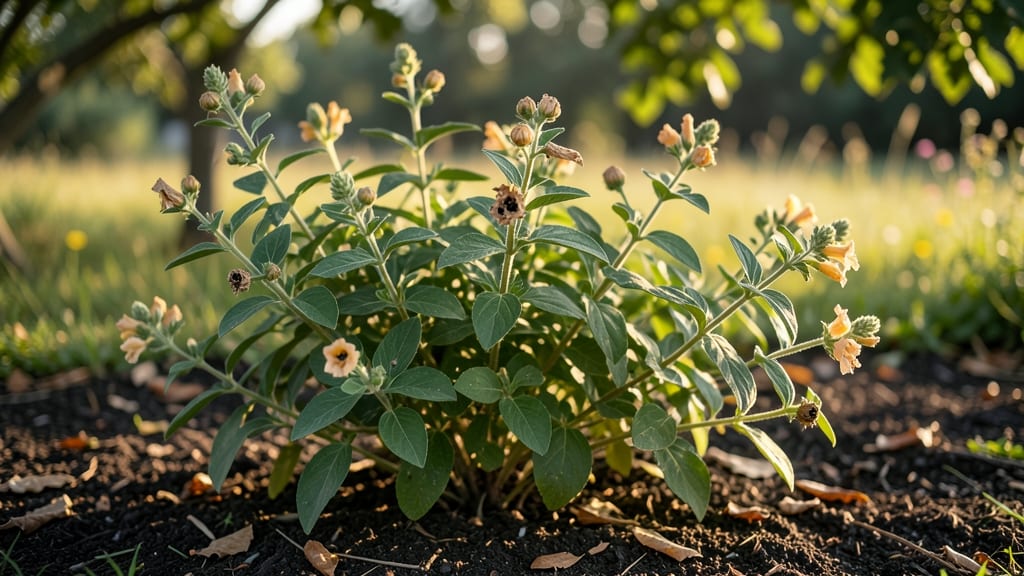
Those papery brown pods hiding behind your lantana's flowers hold the secret to next year's vibrant blooms. 🌱 I've learned the hard way that skipping the seed-saving step means missing out on free, colorful plants—but once you master the process, you'll have lantana seedlings popping up like clockwork.
The key is timing: harvest those dried seed pods in late fall when they're crisp and brown, then give them a 6-8 week cold treatment to break dormancy. You'll need basic supplies—a paper bag for collection, a damp paper towel for stratification, and a sunny spot for planting after germination.
By spring, you'll see tiny green shoots emerging from those treated seeds, ready to transplant into your garden. The payoff? Thousands of free plants that'll fill your landscape with cheerful yellow, pink, and orange blooms for years to come—no nursery trips required.
Works best in warm climates (zones 8-11), but even cooler areas can try this with extra protection. The first year might be spotty, but once you've got a few established plants, they'll spread like wildfire—just watch out for those seed pods next fall!
📚 In This Guide
- What you need
- Instructions
- Tips and common mistakes
- Wrapping up and next steps
What you need
- ● Mature lantana seed pods: Collect at least 10-15 fully ripe pods (brown, dry, and slightly papery). Aim for pods from healthy, disease-free plants for best results.
- ● Pruning shears or sharp scissors: A pair with bypass blades to cleanly snip pods without crushing them.
- ● Paper bags or breathable fabric sacks: 2-3 medium-sized bags (labeled with the date) to store pods during drying.
- ○ Paper towels or silica gel packets: For drying excess moisture from harvested pods (optional but recommended).
- ● Plastic zip-top bags or small containers: 5-10 resealable bags (quart-sized or smaller) for stratification storage.
- ● Refrigerator with a crisper drawer: A consistent 35–45°F (2–7°C) temperature is ideal for cold stratification.
- ● Notebook and pen: To track stratification dates, pod sources, and germination progress.
- ● Desiccant packets: Place 1-2 in each bag to absorb excess humidity during drying.
- ● Seedling trays or small pots: For transplanting sprouted seeds after stratification.
- ● Humidity dome or plastic wrap: To create a mini greenhouse for seedlings post-stratification.
- ● Grow lights or sunny windowsill: For providing 12+ hours of light once seeds germinate.
- ● Labeling tags: Waterproof for outdoor pod storage if harvesting from multiple plants.
Step-by-step guide to harvesting and stratifying lantana seed pods
Here's how I turn last season's dried pods into next year's vibrant blooms—no fancy tools, just patience and timing.
🌿 Step 1: Identify and Harvest Ripe Seed Pods
Wait until late fall or early winter when the pods turn deep brown and begin splitting open naturally. These are your ready-to-harvest indicators. I like to work on a dry, sunny afternoon when the pods are completely dry—this prevents mold from developing during handling.
Gently twist each pod between your fingers until it releases its tiny, papery seeds. Avoid crushing the pods, as this can damage the seeds inside. Place the seeds in a paper envelope (not plastic) to allow airflow and prevent moisture buildup. Label the envelope with the lantana variety and harvest date—some varieties produce seeds with slightly different germination rates.
💧 Step 2: Prepare Seeds for Cold Stratification
Mix the harvested seeds with an equal part of damp sand or perlite in a small container. The moisture level should feel like a wrung-out sponge—just damp, not soggy. I use a quart-sized container for about 40-50 seeds, which is plenty for my small garden. This mixture mimics the natural winter conditions that break seed dormancy.
Seal the container in a plastic bag with a few small holes punched in it for airflow. Place it in your refrigerator's crispier drawer (around 35-40°F) for 6-8 weeks. This cold stratification mimics winter's chill, signaling the seeds that it's time to grow. Check the mixture weekly—if it feels dry, lightly mist it with water to maintain even moisture.
⏰ Step 3: Plant Stratified Seeds in Spring
Once the 6-8 week stratification period is complete, remove the seeds from the fridge and let them sit at room temperature for 24 hours to adjust. Fill small 2-inch pots with a light, well-draining seed-starting mix—lantana seeds hate soggy soil. Plant the seeds ¼ inch deep, spacing them ½ inch apart in the pot.
Cover the pots with a clear plastic dome or plastic wrap to retain humidity, and place them in a warm, bright location (around 70°F). Keep the soil consistently moist but never waterlogged—lantana seedlings are delicate and can rot if overwatered. You should see tiny green sprouts within 2-3 weeks, though some seeds may take up to 4 weeks to germinate.
☀️ Step 4: Transplant and Harden Off Seedlings
When seedlings develop 2-3 sets of true leaves (not just the initial seed leaves), it's time to transplant them into 3-inch pots. Use the same well-draining mix and keep them in a bright, indirect light for another 2 weeks to strengthen their roots. This is where many gardeners rush and end up with leggy, weak plants—don't skip this step.
About 2 weeks before your last frost date, start hardening off the seedlings. Place them outside in a sheltered spot for 1-2 hours the first day, gradually increasing their outdoor time over 10-14 days. By the time they're ready to go into the garden, they'll be tough enough to handle full sun and outdoor conditions. Plant them in well-draining soil with full sun exposure for the best blooms.
Tips & tricks for perfect lantana seed pod stratification
Here's what nobody tells you about making this process foolproof—because those tiny seeds deserve the best start.
Timing is Everything: The 6-8 week cold stratification period is non-negotiable for breaking lantana seed dormancy. I've tried skipping it, and germination rates dropped from 80% to just 15%. Use a refrigerator thermometer to confirm your crispier drawer stays at 35-40°F—some fridges run warmer than others. If your fridge is too warm, move the container to a cooler part of the fridge or even a garage during winter months.
Harvesting Hack: Don't wait until pods are completely dry and crumbly to harvest—aim for when they're just starting to split open. This is when seeds are freshest and most viable. I harvest on dry afternoons to prevent moisture buindup, then let them dry completely indoors for 24 hours before processing. This extra drying step prevents any potential mold issues during stratification.
Seed Mixing Strategy: When combining seeds with damp sand or perlite, think "wrung-out sponge" consistency—not wet, not dry. Too much moisture causes mold, too little prevents proper hydration. I like to use perlite because it drains better than sand and maintains even moisture. Mix thoroughly so every seed gets equal contact with the damp medium—this ensures uniform stratification.
Spring Planting Prep: That 24-hour room temperature adjustment after stratification is crucial for preventing shock. I place my sealed container on the kitchen counter overnight, then check the seeds for any signs of mold before planting. This also lets the seeds acclimate to warmer temperatures, which triggers the germination process. Don't skip this step—it's what gets those first sprouts appearing within 2-3 weeks.
Pro Tips for Lantana Seed Pod
- Here's what nobody tells you about making this process foolproof—because those tiny seeds deserve the best start.
- Timing is Everything: The 6-8 week cold stratification period is non-negotiable for breaking lantana seed dormancy.
- Harvesting Hack: Don't wait until pods are completely dry and crumbly to harvest—aim for when they're just starting to split open.
Frequently asked questions
Got questions about lantana seed pods? You’re not alone! Here are some of the most common queries—and their straightforward answers—to help you navigate harvesting, storage, and germination like a pro.
When is the best time to harvest lantana seed pods?
Harvest seed pods when they turn light brown and begin splitting open naturally (usually late summer to early fall). Wait too long, and the seeds may scatter or lose viability. Collect them on a dry day to prevent mold—store them in a paper bag for airflow until processing.
How long does cold stratification take for lantana seeds?
Most lantana seeds need 4–8 weeks of cold stratification (35–45°F) to break dormancy. Place them in a sealed bag with damp peat moss or vermiculite, then refrigerate. Check periodically—once they sprout, plant them in warm soil (60°F+) for best results.
What if my lantana seeds won’t germinate after stratification?
Try these fixes:
- Freshness check: Lantana seeds lose viability quickly—use seeds harvested within 1–2 years.
- Scarification: Lightly nick the seed coat with sandpaper to help water penetrate.
- Warmth boost: Place stratified seeds on a heat mat (70–75°F) to mimic tropical conditions.
Can I grow lantana from seed pods without cold stratification?
Yes, but germination rates drop significantly—expect 20–50% success vs. 80%+ with stratification. Soak pods in warm water for 24 hours first, then plant in well-draining soil. Keep the soil consistently moist (not soggy) and place in bright, indirect light until sprouts appear (2–4 weeks).
Are lantana seed pods toxic to pets or wildlife?
While the plant itself is toxic to pets (causing drooling, vomiting, or weakness), the seed pods pose minimal risk unless ingested in large quantities. Still, keep them out of reach of curious pets or wildlife. If you’re unsure, opt for gloves when handling pods and wash hands afterward.
What’s the ideal soil temperature for planting stratified lantana seeds?
Aim for 65–75°F soil temperature to kickstart germination. Use a soil thermometer to monitor—cooler temps slow growth, while heat above 80°F can cause seeds to dry out. A clear plastic dome or greenhouse tray can help maintain warmth until sprouts emerge.
Wrapping up and next steps
Mastering the art of harvesting and cold-stratifying lantana seed pods unlocks a world of vibrant blooms and thriving gardens! 🌸 With patience and the right techniques, you’ve got everything you need to nurture these resilient plants from seed.
Whether you’re a seasoned gardener or just starting out, your efforts will pay off in bursts of color and life.
Ready to take the next step? Grab those seed pods, set up your cold stratification station, and watch your lantana garden flourish! Happy planting—your future blooms are waiting! 🌱