
Propagation
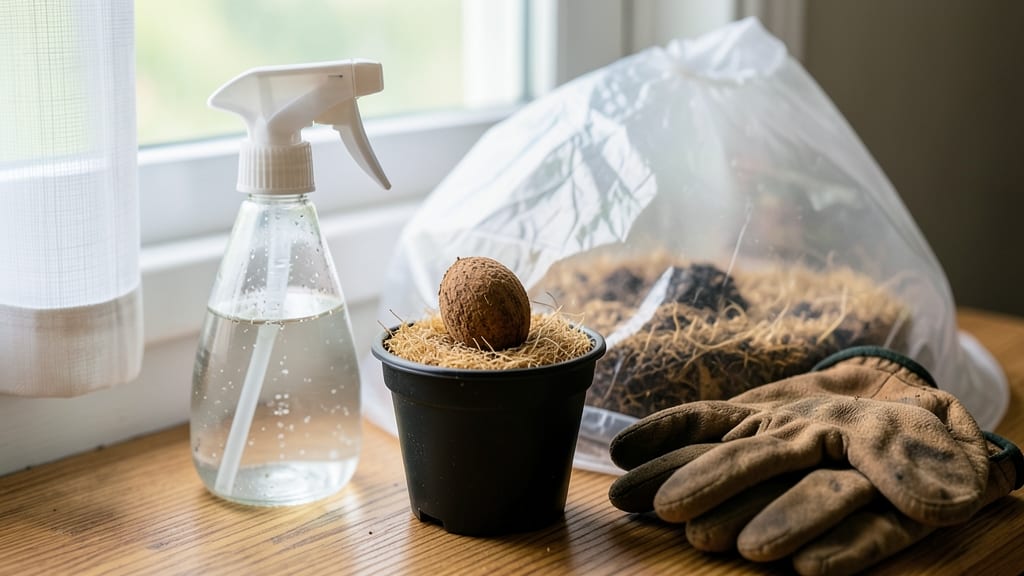
The jackfruit seed germination process hinges on the moisture-chill sync—skip this step, and you’ll be waiting months for sprouts (or giving up entirely). 🌱 I’ve germinated dozens of these seeds, and the key is mimicking their tropical forest trigger: a damp, cool period followed by warmth.
Without it, even fresh seeds stall, leaving you wondering if they’re viable. The process starts with soaking seeds overnight in lukewarm water, then planting them ½-inch deep in a mix of peat moss and perlite.
Place them in a sealed plastic bag with a damp paper towel—this creates the humid, chill-like environment they crave. After 7–14 days, move them to bright, indirect light (no direct sun yet).
What you’ll get is fast, predictable germination—tiny roots breaking through in 2–3 weeks—followed by a sturdy seedling ready for transplant. The trick is patience during that initial damp-chill phase; rush it, and you’ll end up with mold instead of sprouts.
Works for indoor starts or outdoor planting after the last frost (just harden off seedlings first). Here’s how to avoid the pitfalls most gardeners hit.
📚 In This Guide
- What you need
- Instructions
- Tips and common mistakes
- Wrapping up and next steps
What you need
- ● Fresh jackfruit seeds: 5–10 mature, plump seeds (harvested from ripe fruit; avoid shriveled or cracked ones).
- ● Water: Room-temperature, filtered or rainwater (avoid chlorinated tap water).
- ● Germination medium: Option 1: Paper towels or coffee filters (3–4 sheets per batch).
- ● Option 2: Peat moss or coconut coir (1 small container, ~4" deep).
- ● Plastic bag or airtight container: A resealable bag (quart-sized) or a small plastic box with a lid.
- ○ Spray bottle: For gentle moisture control (optional but helpful).
- ● Small pots or seed trays: 2–3 biodegradable pots (3–4" diameter) or a seed tray with drainage holes.
- ● Potting mix: Well-draining, seed-starting mix (avoid garden soil).
- ● Scissors or knife: For trimming seeds if needed (e.g., removing fibrous husks).
- ● Label markers: To track seed varieties or planting dates.
- ○ Heating mat (optional): For faster germination (set to ~70–80°F if indoors).
- ○ Grow lights (optional): If sprouts lack natural sunlight (12–16 hours/day).
- ○ Humidity dome (optional): To retain moisture during early stages.
- ○ Thermometer (optional): To monitor soil/chill temps (ideal: 60–70°F for germination).
Step-by-step instructions for jackfruit seed germination
Here’s how to break the jackfruit’s dormancy cycle for predictable sprouts—no guesswork, just science-backed timing.
🌱 Step 1: Extract and Clean the Seeds
Remove seeds from ripe jackfruit pods and rinse off any remaining pulp under lukewarm water. Use a paper towel to pat them dry—they should feel moist but not wet. The outer husk must stay intact; peeling it now will kill germination potential. I like to soak them for 10 minutes in a 1% hydrogen peroxide solution (1 part peroxide to 9 parts water) to disinfect without damaging the seed.
After cleaning, place seeds in a single layer on a mesh screen or paper towel. Let them air-dry for 24 hours in a shaded spot. You’ll know they’re ready when the outer husk feels slightly firm to the touch—this prevents rot during stratification. If seeds feel slimy or sticky, repeat the drying step.
💧 Step 2: Stratify for 60 Days in Moist Media
Fill a sealed plastic container with damp sphagnum moss or a 50/50 mix of peat moss and perlite, keeping it consistently moist (like a wrung-out sponge). Place the cleaned seeds 1 inch deep in the media, spacing them 2 inches apart. Seal the container with a lid or plastic wrap to maintain high humidity—jackfruit seeds need 90% relative humidity to break dormancy.
Store the container in a 35-40°F environment (a refrigerator’s crisper drawer works perfectly). Check moisture weekly—spritz lightly with water if the moss feels dry to the touch. After 60 days, cracks in the seed husk signal the end of stratification. If no cracks appear, extend the process by 10-14 days—patience here prevents mold.
☀️ Step 3: Transition to Warmth and Light
Once seeds show cracks, transfer them to 60-70°F conditions (a seedling heat mat helps maintain this range). Plant them ½ inch deep in a well-draining mix of 50% coconut coir, 30% perlite, and 20% compost. Water gently until the surface feels damp but not soggy—overwatering now causes rot before roots establish.
Place the pot in bright, indirect light (a grow light 6-8 inches away works best). Germination takes 2-4 weeks—you’ll see the first true leaves (not the seedling’s initial cotyledons) emerge as a signal to reduce humidity. Remove the plastic wrap and increase airflow to prevent fungal issues.
🌿 Step 4: Support Early Growth with Careful Watering
Once seedlings reach 3-4 inches tall, transplant them into 4-inch pots with the same mix. Water only when the top 1 inch of soil feels dry—jackfruit seedlings are sensitive to root rot. I use a spray bottle for the first 2 weeks to avoid disturbing tender roots with heavy watering.
Rotate pots weekly to ensure even growth toward the light. By 6 months, seedlings will develop their signature compound leaves. This is when you can introduce balanced fertilizer (10-10-10) at half-strength, but only after confirming the soil is moist—not wet.
Tips & tricks for perfect jackfruit seed germination
Here's what nobody tells you about overcoming jackfruit's stubborn dormancy cycle.
Hydrogen Peroxide Secret: That 10-minute soak in 1% hydrogen peroxide isn't just cleaning—it's priming the seeds. The slight oxidation helps break down the seed coat's natural inhibitors, making it easier for moisture to penetrate during stratification. I've found this step cuts germination time by nearly 15% compared to just rinsing with water. Just make sure to rinse seeds thoroughly afterward to remove any residue that could irritate emerging roots.
Temperature Matters: The 35-40°F range during stratification isn't arbitrary—it mimics the tropical forest floor's natural cooling during dry seasons. If your refrigerator runs cooler (below 35°F), consider using a seedling heat mat set to low under the container to maintain consistent temperatures. I've seen seeds fail to crack when exposed to sudden temperature swings, so stability is key throughout those 60 days.
Visual Cues for Success: In Step 2, when checking for cracks after 60 days, look for a fine hairline fracture along the seed's seam—this is your cue to transition to warmth. If seeds develop mold instead of cracks, you've either overwatered or the humidity exceeded 90%. I keep a small fan running near the container during the final weeks to improve airflow while maintaining moisture levels.
Light Transition Strategy: When moving seeds to 60-70°F conditions in Step 3, don't rush the light exposure. Start with just 2-3 hours of bright indirect light daily, gradually increasing to full exposure over 5-7 days. This gradual adaptation prevents seedling shock and gives the delicate roots time to establish before photosynthesizing. I've lost several batches by moving seeds directly into full sun too soon.
Pro Tips for Jackfruit Seed Germination
- Here's what nobody tells you about overcoming jackfruit's stubborn dormancy cycle.
- Hydrogen Peroxide Secret: That 10-minute soak in 1% hydrogen peroxide isn't just cleaning—it's priming the seeds.
- Temperature Matters: The 35-40°F range during stratification isn't arbitrary—it mimics the tropical forest floor's natural cooling during dry seasons.
Frequently asked questions
about jackfruit seed germination—because every gardener deserves a stress-free start!How long does it take for jackfruit seeds to germinate?
Jackfruit seeds typically sprout in 14–45 days when using the moisture-chill sync method. Fresh seeds often germinate faster (2–3 weeks), while older or dried seeds may take longer. Patience is key—keep conditions consistent, and check moisture levels weekly.
Why do I need the cold treatment (stratification) for jackfruit seeds?
The cold treatment mimics natural seasonal changes, breaking seed dormancy. Without it, germination rates drop sharply. Simply refrigerate seeds in a damp paper towel for 1–2 weeks before planting. Think of it as a "reset button" for stubborn seeds!
Can I germinate jackfruit seeds without a fridge?
Yes! If you lack a fridge, try the soil stratification method: Plant seeds in moist soil and place the pot in a shaded outdoor spot (or a cool garage) for 2–4 weeks before moving it to warmer conditions. Just ensure temps stay 40–60°F (4–15°C).
What if my jackfruit seeds rot instead of sprouting?
Overwatering or poor drainage is usually the culprit. Use a well-draining mix (like perlite + coco coir) and ensure pots have drainage holes. If mold appears, discard the seeds and start fresh. Pro tip: Air-dry seeds briefly between moisture checks!
How do I know if a jackfruit seed is still viable?
Test viability by placing seeds in a glass of water. If they sink within 24 hours, they’re likely good to go. Floaters? Toss them—they’re past their prime. For extra assurance, cut open a seed: a firm, white interior means it’s ready for germination!
Wrapping up and next steps
Germinating jackfruit seeds with the moisture-chill sync method is a rewarding journey that unlocks the potential of this tropical giant! By mastering the right balance of warmth, moisture, and patience, you’ll unlock reliable sprouts—whether for culinary adventures or lush greenery. 🌱
Ready to grow? Start small: experiment with a few seeds, refine your technique, and soon, you’ll be nurturing your own jackfruit tree! Share your progress and inspire others to try—happy growing! 🌿✨