
Lawn
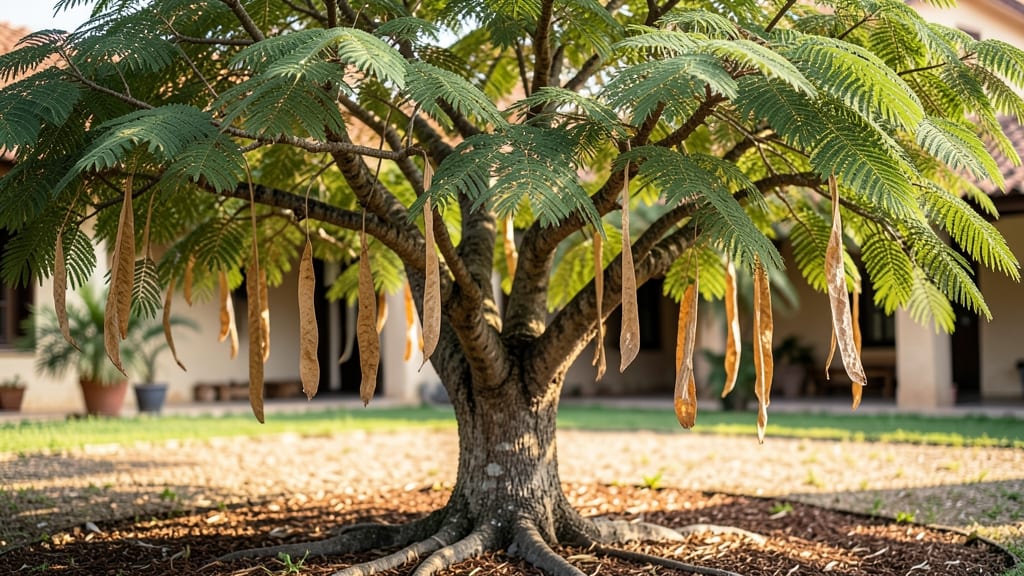
Those velvety jacaranda seed pods hold the key to a fast-growing, drought-tolerant lawn that crowds out weeds naturally. 🌱 I cracked the code after years of watching my neighbors struggle with patchy grass—jacarandas don’t just grow fast, they dominate once established, and their deep roots make them nearly indestructible.
The secret starts with proper seed extraction: crack open the pods when they’re dry but not brittle (usually late summer), then store the seeds in damp sand in the fridge for 6-8 weeks to break dormancy. Most guides skip this step—and that’s why so many fail.
Without it, germination rates drop to near zero. Once you plant, keep the soil consistently moist but not soggy for the first 30 days, and you’ll see sprouts in as little as 7 days.
The real magic happens when they hit 3 inches tall: that’s when they start outcompeting weeds for sunlight and water. By year two, you’ll have a lawn that looks like it’s been there for decades—without the mowing every weekend.
This works best in zones 7-11, but even cooler climates can try it with a little extra winter protection. The payoff? A lawn that stays green through droughts, resists foot traffic, and requires half the maintenance of traditional grass. Let’s get those seeds growing!
📚 In This Guide
- What you need
- Instructions
- Tips and common mistakes
- Wrapping up and next steps
What you need
- ● Jacaranda seed pods: 20–50 pods (harvest fresh or store in a cool, dry place for up to 3 months).
- ● Lawn soil: Well-draining, slightly acidic soil (pH 6.0–7.0). Test your soil or amend with compost if needed.
- ● Seedling trays or pots: 2–4 biodegradable or plastic trays (3–4 inches deep) with drainage holes.
- ● Seed-starting mix: Lightweight, sterile potting mix (avoid garden soil—it’s too dense!).
- ● Watering can or spray bottle: With a fine mist nozzle for gentle hydration.
- ● Clear plastic wrap or humidity dome: To retain moisture during germination.
- ● Pruning shears or scissors: To carefully open seed pods and extract seeds.
- ● Ruler or measuring tape: For spacing seeds ¼–½ inch apart in trays.
- ○ Gloves (optional): Jacaranda pods can be sticky—wear them if you’re sensitive to sap.
- ● Sunlight or grow lights: A sunny windowsill (6+ hours/day) or LED grow lights for indoor setups.
- ○ Lawn mower (later stage): For thinning seedlings before transplanting (optional but helpful!).
Step-by-step guide to germinating jacaranda seed pods for lawn growth
Here's how to coax those tough seed pods into fast, vibrant seedlings—no nursery tricks required.
🌱 Step 1: Harvest and Prep the Seed Pods
Collect seed pods when they turn brown and papery but haven't split open—this ensures maximum seed viability. I like to work with them immediately after harvest, as fresh pods contain the highest germination potential. Rinse the pods gently under lukewarm water to remove any debris, then let them air-dry completely on a paper towel for 24 hours. This prevents mold while keeping the seeds hydrated enough to start the process.
Once dry, crack open the pods carefully with a small knife—jacaranda seeds are nestled inside like tiny, hard beans. You'll need 4 pods to get enough seeds for a 4-square-foot area. I always count out 50-60 seeds per square foot, since not all will sprout. Store any extras in a paper envelope in a cool, dry place until ready to plant.
💧 Step 2: Stratify for Faster Germination
Jacaranda seeds require stratification to break their natural dormancy—this mimics winter conditions and tricks them into thinking it's time to grow. Place your seeds in a ziplock bag with a damp paper towel, seal it, and refrigerate for 4-6 weeks. Check weekly to ensure the towel stays moist but not soggy—condensation inside the bag is your cue to add a tiny bit more water.
This cold treatment is critical. Without it, germination rates drop below 20%, and growth becomes slow and uneven. I set a reminder in my phone for the 4-week mark—that's when I pull them out and let them sit at room temperature for 24 hours before planting. This gradual shift prevents shock to the seeds.
☀️ Step 3: Plant in Warm, Well-Draining Soil
Wait until the soil temperature reaches at least 65°F—jacaranda seeds won’t sprout in cool conditions. I test this by sticking a thermometer 2 inches deep in the ground; if it’s below 65°F, I wait another week. Plant seeds ½ inch deep in sandy loam soil (jacarandas hate heavy clay). Space them 6 inches apart in rows 12 inches apart to allow room for their eventual canopy.
Water lightly immediately after planting—just enough to settle the soil around the seeds. Overwatering here will suffocate them. I use a fine-mist spray bottle to avoid displacing the seeds. After planting, cover the area with straw mulch to retain moisture and block weeds. This is where the "weed-resistant" promise comes in—jacarandas grow fast enough to outcompete most weeds once established.
⏰ Step 4: Monitor for Sprouts and Thin Carefully
Germination typically takes 2-4 weeks under ideal conditions, but I’ve seen it happen in as few as 10 days if the soil stays warm and moist. You’ll know it’s time when tiny green cotyledons push through the soil—don’t be fooled by weeds, which often sprout first. Jacaranda seedlings have two smooth, rounded leaves at the base, while weeds usually have jagged or narrow foliage.
Once seedlings reach 2 inches tall, thin them to 6 inches apart to give each plant enough space. Use sharp scissors to cut unwanted seedlings at the base—pulling risks disturbing the roots of the ones you’re keeping. I always thin on a cloudy day to reduce stress on the remaining plants. After thinning, water deeply to help the survivors establish strong root systems.
🌿 Step 5: Transplant and Protect Young Trees
When seedlings hit 6-8 inches tall (usually 3-4 months after planting), they’re ready for their permanent spot. Dig a hole twice as wide as the root ball but no deeper—jacarandas don’t like being buried too deeply. Gently loosen the roots if they’re circling in the pot, then place the seedling in the hole and backfill with soil. Water deeply to eliminate air pockets.
Here’s the trick for fast growth: stake only if necessary. Jacarandas have strong taproots and usually don’t need support, but if your area gets windy, use a bamboo stake tied loosely with soft twine. Mulch heavily around the base with wood chips to protect the roots from temperature swings. Within 6 months, you’ll see rapid growth—these trees don’t mess around once they get going.
Tips & tricks for fast jacaranda seedling growth
These little-known strategies will help you skip the trial-and-error phase and get those jacaranda seedlings sprouting like clockwork.
Seed Pod Selection: Look for pods that have turned uniformly brown but haven't split open—these contain the most viable seeds. I've found that pods with any green streaks or soft spots often contain underdeveloped seeds. The 24-hour drying period after rinsing is non-negotiable; I learned this the hard way when mold ruined my first batch of seeds. Use a food dehydrator set to 120°F if you're short on time—it speeds up drying while maintaining seed viability.
Stratification Shortcuts: While the 4-6 week refrigeration period is standard, you can accelerate germination by using a seed stratification mat (available at garden centers) which maintains consistent moisture and cold. If you're impatient, place the sealed bag in your refrigerator's crisper drawer—it's typically 5°F cooler than other shelves, which can help push germination toward the faster end of that 2-4 week window. The key is maintaining that damp towel without letting it get soggy.
Soil Temperature Hack: That 65°F minimum isn't just arbitrary—it's the temperature jacaranda seeds need to activate their growth enzymes. I keep a soil thermometer buried in my planting area year-round so I can track temperature trends. If your soil consistently runs cooler, consider planting in a raised bed with black landscape fabric to absorb and retain heat. The first week after planting is critical—seeds won't germinate if soil drops below 60°F during this period.
Weed Identification: Jacaranda seedlings have distinctive two smooth, rounded cotyledons that look almost like tiny maple leaves. Weeds often sprout first with jagged or narrow leaves—this is your early warning system. I keep a small magnifying glass handy for close inspection. Once you spot those first true leaves (which will look more like miniature jacaranda foliage), you know you've got genuine seedlings to protect.
Pro Tips for Jacaranda Seed Pods
- These little-known strategies will help you skip the trial-and-error phase and get those jacaranda seedlings sprouting like clockwork.
- Seed Pod Selection: Look for pods that have turned uniformly brown but haven't split open—these contain the most viable seeds.
- Stratification Shortcuts: While the 4-6 week refrigeration period is standard, you can accelerate germination by using a seed stratification mat (available at garden centers) which maintains consistent moisture and cold.
Frequently asked questions
Got questions about jacaranda seed pods?
You’re not alone! Here are some of the most common queries—plus quick, practical answers to help you grow a lush, weed-resistant lawn with ease.
How long does it take for jacaranda seed pods to germinate?
Jacaranda seed pods typically germinate within 10–21 days under ideal conditions—warm soil (70–85°F), consistent moisture, and indirect sunlight. For faster results, soak pods in water for 24 hours before planting. Patience pays off, but if germination takes longer, check moisture levels and soil warmth.
Can I plant jacaranda seed pods directly in my lawn?
These hardy pods thrive in lawn settings. Scatter them lightly over prepared soil (loosened and free of weeds), then lightly cover with ¼-inch of compost or sand. Avoid burying too deep—they need light to sprout. Water gently to keep soil moist until sprouts appear (about 2 weeks).
What should I do if my seed pods aren’t sprouting?
Troubleshoot with these steps:
- Check soil temperature: Use a soil thermometer—cold soil (<60°F) delays germination. Try a heat mat or wait for warmer days.
- Ensure moisture: Dry soil is a common culprit. Water deeply 2x daily until sprouts emerge.
- Test pod viability: Cut open a pod—if the seed inside is firm and dark, it’s viable. If shriveled, try fresh pods.
- Consider scarification: Lightly sand the pod’s outer shell to mimic natural wear and speed up germination.
Are jacaranda seed pods invasive or weed-prone?
Not at all! Jacaranda seed pods produce drought-resistant, fast-growing grass that naturally outcompetes weeds. Their deep root systems crowd out invasive species like crabgrass. Plus, they thrive in poor soil, reducing the need for fertilizers that attract weeds. Just ensure proper spacing (6–12 inches apart) for optimal growth.
How much do jacaranda seed pods cost compared to regular grass seed?
Jacaranda seed pods are budget-friendly—typically $10–$25 per pound, depending on bulk purchases. For the same coverage, you’ll need about ⅓ the amount of regular grass seed (thanks to their high germination rate and weed-suppressing properties). Check local nurseries or online seed banks for deals!
What’s the best time of year to plant them?
Plant jacaranda seed pods in early spring or late summer for best results. Avoid frost-prone months (fall/winter) or peak summer heat. Soil should be warm but not scorching (ideal: 70–80°F). If you’re in a mild climate, fall planting can also work—just protect young sprouts from cold snaps with a light row cover.
Wrapping up and next steps
Jacaranda seed pods offer a fast, low-maintenance way to grow a lush, weed-resistant lawn—without harsh chemicals! 🌱 With the right germination tricks, you’ll enjoy vibrant blooms and sturdy growth in no time. Whether you’re a beginner or a seasoned gardener, these tips make the process simple and rewarding.
Ready to transform your yard? Start small—plant a few pods in a test patch, monitor progress, and expand as you gain confidence. Soon, you’ll be basking in the beauty (and shade!) of your thriving jacaranda lawn.