
Size
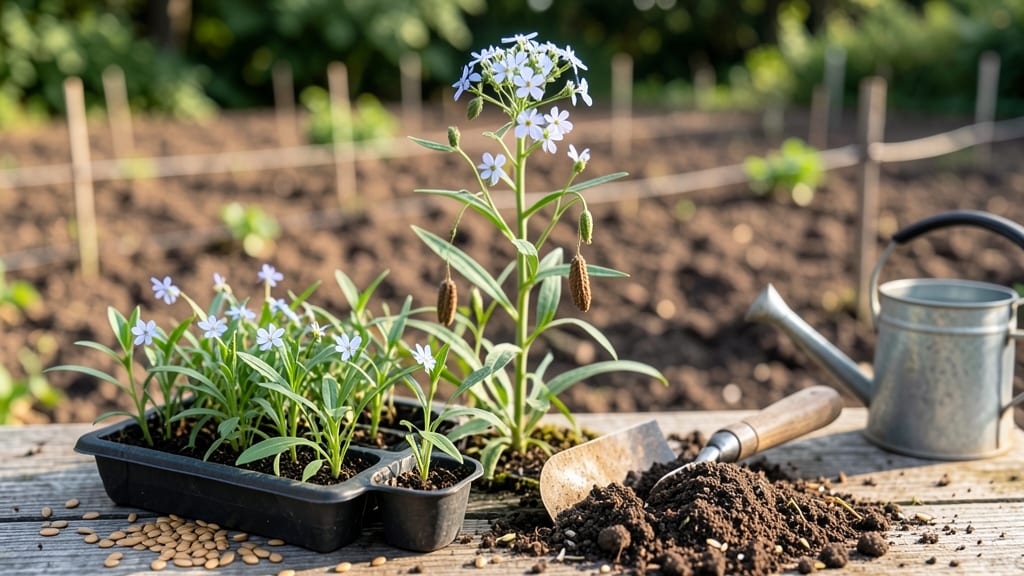
Growing flax seed plants from scratch is simpler than you think—just 4 straightforward steps separate you from homegrown seeds for oil, fiber, or baking. 🌱 I’ve grown flax for three seasons now, and the key isn’t fancy equipment but timing, patience, and knowing when to let those slender stems reach for the sky before harvesting.
The first year I planted too late, and the seeds never fully matured—now I mark my calendar for early spring sowing.
You’ll need well-draining soil, a sunny spot with at least 6 hours of direct light daily, and a little space—flax plants stay slender but can reach 3-4 feet tall. The real secret? Consistency. Too much water early on causes rot, but once established, they’re drought-tolerant.
I use a 1/4-inch depth for seeds and thin seedlings to 6 inches apart—any closer, and they’ll compete for sunlight. Organic gardeners swear by companion planting with clover or alfalfa to improve soil nitrogen naturally.
By mid-summer, you’ll see those signature blue flowers nodding in the breeze, followed by golden seed pods that shatter easily when dry. Harvest before the pods open, then spread them in a dry, airy spot for 2-3 weeks to fully dry.
The payoff? Freshly milled flaxseed for smoothies, linen fiber for crafts, or even a foolproof way to grow your own organic supply. No more store-bought seeds with questionable sourcing—just pure, homegrown flax.
Pro tip: If you’re growing for fiber, let the plants mature fully before cutting—taller stems yield longer, stronger strands. For seeds, harvest early to avoid shattering.
And if you’re in a humid climate, watch for rust or mildew; a light spray of neem oil keeps pests at bay without chemicals. Once you’ve mastered this, flax becomes a year-round staple—plant in fall for early spring harvests too.
📚 In This Guide
- What you need
- Instructions
- Tips and common mistakes
- Wrapping up and next steps
What you need
- ● Flax seeds: Organic, untreated seeds (1–2 lbs for a small garden or 5–10 lbs for larger plots). Look for varieties like Linum usitatissimum.
- ○ Seed trays or pots: 2–4 inch deep containers (biodegradable or plastic) with drainage holes. Optional: Seedling flats for starting multiple plants.
- ● Potting mix: Lightweight, well-draining soil blend (e.g., 50% peat moss, 30% perlite, 20% compost). Pro tip: Avoid heavy garden soil to prevent root rot! 💡
- ● Grow lights or sunny windowsill: For indoor starts, use full-spectrum LED grow lights (12–16 hours/day) or a south-facing window.
- ● Outdoor garden bed or containers: If planting outside, choose a spot with 6+ hours of direct sunlight and loose, well-drained soil (pH 6.0–7.5).
- ● Watering can or spray bottle: Keep soil moist but not soggy (especially for seedlings).
- ○ Fertilizer (optional): Low-nitrogen, balanced organic fertilizer (e.g., 5-5-5) or compost tea for established plants.
- ● Hand trowel or transplanting spade: For planting seeds and seedlings.
- ● Gloves: Protect your hands from prickly flax stems (especially during harvest!).
- ● Pruning shears: To trim dead foliage or encourage bushier growth.
- ○ String or stakes (optional): For tall varieties (e.g., Linum perenne), use lightweight stakes to support stems.
- ● Harvesting scissors: Sharp, clean scissors for cutting seed heads.
- ● Patience! Flax seeds take 90–120 days to mature.
- ● Consistent moisture (especially during flowering).
- ● Thinning seedlings to 6–12 inches apart for optimal growth.
- ● Cool temperatures (60–70°F) for germination (avoid planting in heatwaves!).
Step-by-Step instructions for growing flax seed plants
Here's the straightforward method I've used to grow healthy flax plants with strong stems and abundant seeds.
🌱 Step 1: Prepare the Planting Site for Optimal Germination
Flax thrives in well-draining soil with a pH between 6.0 and 7.5. Choose a location with full sun exposure—at least 6-8 hours of direct sunlight daily. If growing in containers, select pots that are at least 12 inches deep to accommodate the plant's root system. I recommend using a light, sandy loam or a mix of 50% potting soil and 50% perlite to prevent compaction.
Before planting, loosen the soil to a depth of 6 inches using a garden fork or tiller. Remove any weeds or debris, as competition for nutrients will stunt your flax plants. If your soil is heavy clay, amend it with compost or aged manure to improve drainage. Flax seeds germinate best in soil temperatures between 50-70°F, so avoid planting in cold, wet ground.
🌱 Step 2: Sow Seeds at the Correct Depth and Spacing
Plant flax seeds ½ inch deep and 6 inches apart in rows that are 12 inches apart. This spacing allows for adequate airflow, reducing the risk of fungal diseases. I like to use a small hand trowel to create individual holes for each seed—this ensures consistent depth and prevents overcrowding. If sowing in rows, mark the spacing with a stick or string to maintain uniformity.
Water the soil lightly after planting to settle the seeds into place, but avoid oversaturating it. Flax seeds require moisture but not soggy conditions to germinate. You’ll see first sprouts within 7-14 days, depending on soil temperature and moisture. If germination takes longer than two weeks, check that the soil remains consistently moist—neither too dry nor waterlogged.
☀️ Step 3: Maintain Consistent Watering and Fertilization
Once seedlings emerge, water them deeply once a week to encourage strong root development. Flax plants are drought-tolerant but produce better yields with consistent moisture. Water at the base of the plants in the early morning to reduce evaporation and prevent fungal issues. Avoid wetting the foliage, as this can lead to mildew, especially in humid conditions.
Flax is a light feeder, so avoid heavy fertilization. A balanced, low-nitrogen fertilizer (such as 10-10-10) applied once at planting and again when plants reach 12 inches tall is sufficient. Over-fertilizing can lead to excessive foliage growth at the expense of seed production. Watch for yellowing leaves—this is often a sign of overwatering or nutrient imbalance, not necessarily a need for more fertilizer.
✂️ Step 4: Harvest Seeds at Peak Maturity
Flax plants are ready for harvest when the stems turn golden-brown and the seed pods begin to dry. This typically occurs 90-120 days after planting, depending on your climate. Use a pair of clean pruning shears to cut the entire plant at the base. Bundle the stalks together and hang them upside down in a dry, well-ventilated area for 2-3 weeks to fully dry.
Once the seeds are completely dry, rub the stalks between your hands or use a seed thresher to separate the seeds from the chaff. Store the seeds in a cool, dry place in an airtight container to preserve their viability for up to two years. If you notice mold or discoloration during drying, spread the stalks out in direct sunlight to speed up the process and prevent spoilage.
Tips & tricks for perfect flax plant cultivation
These straightforward strategies will help you sidestep common pitfalls and maximize your flax harvest from start to finish.
Soil Preparation Strategy: For Step 1, test your soil's pH before planting—flax thrives in that 6.0-7.5 range, but many garden soils run acidic. If needed, add pelletized lime (about 5 pounds per 100 square feet) 2-3 months before planting to adjust the pH. I've found that amending clay soil with composted leaf mold creates the ideal light, crumbly texture flax loves. This prevents the compacted soil that can choke young seedlings.
Planting Precision: In Step 2, when creating those ½-inch deep holes, I recommend using a wooden dowel marked at the correct depth rather than eyeballing it. This ensures consistent planting depth across all seeds, which is critical since flax seeds germinate best when planted at the same level. For large plantings, a seed drill can save time while maintaining precision—just set it to ½-inch depth and 6-inch spacing.
Germination Troubleshooting: If your seeds take longer than the 7-14 day window to sprout (as mentioned in Step 2), check three things first: soil temperature (should be 50-70°F), moisture (keep soil damp but not soggy), and seed viability. Soak a few seeds in water overnight—if they swell, they're viable. For stubborn seeds, try stratification: place seeds between damp paper towels in a sealed bag in the fridge for 24 hours before planting to mimic winter conditions.
Harvest Timing: For Step 4, harvest when 50-60% of the seed pods have turned golden-brown—this gives you the sweet spot between maximum yield and seed shattering. I've found that cutting plants in the early morning when humidity is lowest prevents mold during the 2-3 week drying process. Bundle stalks with twine before hanging to maintain their upright position, which speeds up drying by exposing more surface area to airflow.
Pro Tips for Grow Flax Seed Plants
- These straightforward strategies will help you sidestep common pitfalls and maximize your flax harvest from start to finish.
- Soil Preparation Strategy: For Step 1, test your soil's pH before planting—flax thrives in that 6.0-7.5 range, but many garden soils run acidic.
- Planting Precision: In Step 2, when creating those ½-inch deep holes, I recommend using a wooden dowel marked at the correct depth rather than eyeballing it.
Frequently asked questions
Got questions about growing flax seed plants? You’re not alone! Here are some of the most common concerns—plus quick, practical answers to help you grow like a pro.
How long does it take for flax seeds to germinate and grow?
Flax seeds typically sprout within 7–14 days after planting, depending on soil temperature and moisture. Once germinated, they grow quickly—reaching maturity (ready for harvest) in about 90–120 days in warm climates or 120–150 days in cooler regions. Keep soil consistently moist but not waterlogged during germination for the best results!
What’s the ideal temperature for growing flax plants?
Flax thrives in cool to moderate temperatures, with optimal growth between 60–75°F (15–24°C). Seeds germinate best in soil temperatures of at least 50°F (10°C), but avoid planting in extreme heat (above 80°F/27°C), as it can stress the plants. If you’re in a hot climate, opt for early spring or late summer planting.
Can I grow flax indoors or in containers?
Flax plants are compact and adaptable, making them perfect for containers. Use a 5–6 inch deep pot with well-draining soil and place it in a sunny spot (at least 6–8 hours of sunlight daily). Just ensure your container has drainage holes to prevent root rot. Indoor grow lights can work if natural light is limited.
What pests or diseases should I watch out for?
Flax is generally pest-resistant, but keep an eye out for aphids, flea beetles, or fungal diseases like rust or powdery mildew in humid conditions. To prevent issues, rotate crops if growing annually, avoid overhead watering, and use organic neem oil if pests appear. Healthy soil and proper spacing (12–18 inches apart) also reduce disease risks.
When is the best time to harvest flax seeds?
Harvest flax seeds when the lower leaves turn yellow and the seed pods (achenes) begin to dry and rattle slightly. Cut the stalks with scissors or shears, then bundle them upside down in a dry, well-ventilated area for 1–2 weeks to fully dry. Once dry, gently rub the pods to release the seeds—store them in a cool, dark place for up to 1 year.
Wrapping up and next steps
Growing flax seed plants is a rewarding journey—whether you’re aiming for nutrient-rich seeds, eco-friendly fibers, or a thriving garden project! 🌱 With the right soil, sunlight, and patience, you’ll soon enjoy the benefits of this versatile crop.
Start small, experiment with varieties, and don’t forget to share your harvest with friends or local markets.
Ready to take the next step? Plant your first seeds today! Track your progress, refine your technique, and watch your flax plants flourish into a bountiful harvest. Happy growing! 🌟