
Size
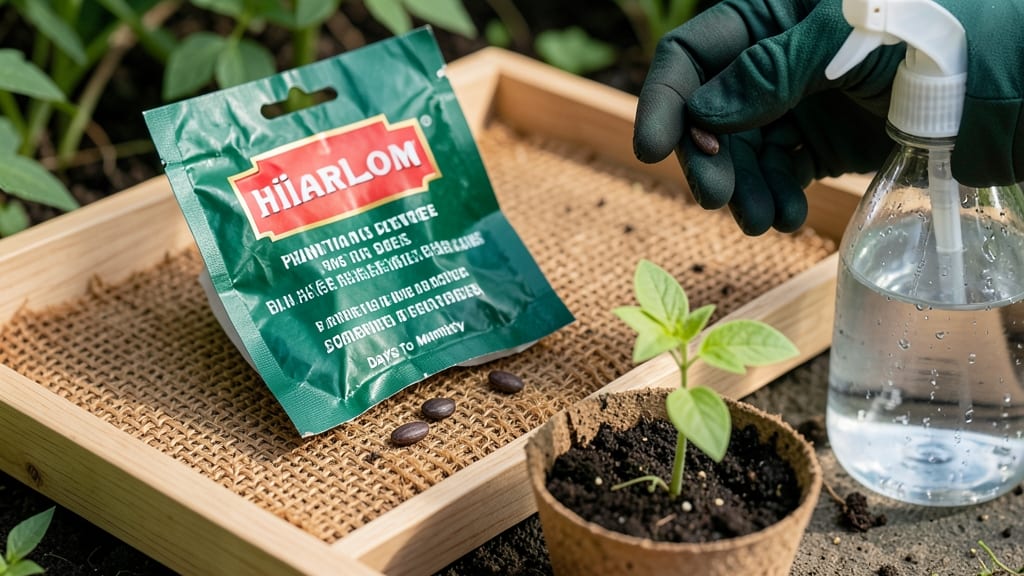
How to get the right seed packs to grow a garden is where every great garden begins. 🌱 I’ve spent years tracking down seeds—from big-box stores to obscure seed banks—and I’m sharing my foolproof guide to getting exactly what you need without breaking the bank or ending up with seeds that won’t thrive in your climate.
Start with your local nursery or garden center for tried-and-true varieties that match your growing zone. Online retailers like Baker Creek Heirloom Seeds or Etsy sellers offer rare, organic, and heirloom options, while seed swaps at farmers’ markets let you score free seeds from experienced gardeners.
For budget-conscious growers, saving seeds from your best plants is the ultimate game-changer—just be mindful of hybrids and open-pollinated types.
You’ll end up with a seed collection tailored to your space, goals, and budget—whether that’s a windowsill herb garden or a full sun vegetable plot. The key is balancing quality, variety, and what actually grows well in your area. A little research now saves hours of frustration later.
Pro tip: Always check seed packets for expiration dates and planting instructions. And if you’re new to seed saving, start with easy crops like beans or tomatoes—they’re forgiving and rewarding. Happy planting!
📚 In This Guide
- What you need
- Instructions
- Tips and common mistakes
- Wrapping up and next steps
What you need
- ● Seed packs: Choose heirloom, organic, or non-GMO varieties (e.g., tomatoes, lettuce, basil). Start with 3–5 packs for beginners.
- ● Growing containers: Pots (5–10 inches deep), raised beds, or garden plots with drainage holes.
- ● Potting soil: 1–2 bags (sterile, well-draining mix like Miracle-Gro Moisture Control or FoxFarm Ocean Forest).
- ● Watering can or hose: With a gentle spray nozzle to avoid disturbing seeds.
- ● Gloves & sun hat: Protect your hands and skin from sun/soil.
- ● Seedling trays: 1–2 trays (biodegradable or plastic) for starting seeds indoors.
- ● Trowel or small shovel: For transplanting seedlings or mixing soil.
- ● Plant labels & markers: To track seed types and planting dates.
- ● Grow lights or sunny windowsill: If starting seeds indoors (6–8 hours of light/day).
- ● Mulch or compost: To retain moisture and enrich soil after planting.
- ● Check your USDA Plant Hardiness Zone (find yours blank">here) to pick season-appropriate seeds.
- ● Research plant spacing and sunlight needs (e.g., tomatoes need 6–8 hours of sun).
- ● Plan your planting schedule: Some seeds (like peas) thrive in cool weather, while others (like cucumbers) love heat.
Step-by-step guide to sourcing seed packs for your garden
Here’s how I gather quality seed packets—whether from stores, online, or swaps—to ensure my garden starts strong.
🌱 Step 1: Decide Where to Source Your Seed Packs
Seed packets come from three main places: garden centers, online retailers, and seed swaps. I start by checking local garden stores like Home Depot or Lowe’s for heirloom or organic varieties, as they often carry region-specific seeds. Online shops like Baker Creek Heirloom Seeds or Etsy offer rare breeds, while seed swaps (local gardening groups or Facebook) let you trade seeds for free—just bring clean, labeled packets.
If you’re new, I recommend starting with a mix: grab a few packets from a store for easy access, then explore online or swaps for unique varieties. Always check seed packet dates—packets older than a year may have lower germination rates. I like to buy a few extra packets of favorites to save for next season.
💰 Step 2: Set a Budget and Prioritize Your Choices
Seed packets vary in price: basic veggie seeds cost $1–$3 each, while heirloom or specialty seeds can run $4–$6. I set a budget of $20–$30 for my first batch to cover 10–15 packets, focusing on easy-to-grow crops like tomatoes, lettuce, or marigolds. Prioritize what you’ll actually use—no need to buy 10 packets if you’ll only plant 3.
Look for sales or bulk discounts, especially online. Some stores offer free seed packets with purchases (like tomato cages or gardening tools). I also watch for seed swap events in spring—these let you get free seeds while meeting fellow gardeners. Always read reviews or ask for recommendations if buying online to avoid poor-quality seeds.
🌿 Step 3: Research and Select the Best Seeds for Your Climate
Not all seeds thrive in every zone. I check the USDA Plant Hardiness Zone Map to match seeds to my area—cool-season crops like spinach do well in Zones 3–9, while peppers need Zones 8–11. Seed packets usually list ideal zones, but I cross-reference with local gardening forums for extra tips.
For beginners, stick to easy-to-grow varieties like cherry tomatoes, bush beans, or zucchini. Avoid tricky crops like eggplants or okra unless you’re ready for extra care. I also look for open-pollinated or heirloom seeds—they’re more reliable than hybrids for saving seeds later. Write down your zone and crop choices before buying to avoid last-minute regrets.
⏰ Step 4: Buy and Store Seeds Properly
Once you’ve picked your packets, buy them from a trusted source. I order online during off-season sales (winter for spring planting) to save money. Store seeds in a cool, dry place—I keep mine in a sealed container in the fridge to extend their life. Most seeds last 1–5 years, but germination rates drop over time, so label packets with the purchase date.
If you’re swapping seeds, meet in a clean, dry spot and inspect packets for moisture or pests before trading. I bring a small notebook to record what I receive, including variety names and planting instructions. Avoid buying seeds from unclear sources—poor-quality seeds lead to weak plants or no growth at all.
🌱 Step 5: Organize and Plan Your Planting Schedule
Sort your seed packets by planting time: cool-season crops (like peas or lettuce) go in early spring or fall, while warm-season crops (tomatoes, peppers) wait until after the last frost. I use a simple chart to track when to start seeds indoors vs. direct-sowing outdoors.
Label each packet with the variety name and planting date—this prevents mix-ups later. I also note whether seeds need light to germinate (like lettuce) or prefer darkness (like tomatoes). Group packets by category (veggies, flowers, herbs) in a shoebox or binder for easy access when planning your garden layout.
Tips & tricks for perfect seed sourcing
These little strategies will help you build your garden collection without breaking the bank or wasting time.
Local Store Secrets: When visiting garden centers like Home Depot, ask employees about their "house brands" of seeds—these often contain the same quality varieties as name brands but at a fraction of the cost. I've saved up to 40% by asking about their in-store brands, which sometimes include organic or heirloom varieties. Also, check the back shelves where older stock gets discounted—just verify the packet dates are recent (within the last year).
Online Shopping Strategy: Set up price alerts on sites like Etsy or Baker Creek Heirloom Seeds for your favorite varieties. I use browser extensions that track price drops, and I've caught seeds marked down to 25% off their original price during holiday sales. Always filter by "fastest shipping" to avoid germination delays—seeds should arrive within 2 weeks of purchase for best results. For bulk orders, consider joining seed clubs that offer discounts for annual memberships.
Swap Smart: Seed swaps aren't just for experienced gardeners—beginners can participate too! At swap events, bring clean, labeled packets of seeds you've grown successfully (even common varieties like marigolds or sunflowers are welcome). I've traded for rare heirloom tomatoes by offering packets of my homegrown basil and zucchini. Always bring a small notebook to record what you receive, including any notes about growing conditions from the original grower. This becomes your personal seed library knowledge base.
Organization System: Create a simple filing system for your seed packets using a three-ring binder with clear plastic sleeves. I divide mine into sections: vegetables, flowers, herbs, and "experimentals" for new varieties. Inside each sleeve, I include a small card with notes about germination time, planting depth, and spacing requirements. This makes it easy to reference while planning your garden layout—no more digging through drawers looking for that one packet you need.
Pro Tips for Get Seed Pack In Grow A Garden
- These little strategies will help you build your garden collection without breaking the bank or wasting time.
- Local Store Secrets: When visiting garden centers like Home Depot, ask employees about their "house brands" of seeds—these often contain the same quality varieties as name brands but at a fraction of the cost.
- Online Shopping Strategy: Set up price alerts on sites like Etsy or Baker Creek Heirloom Seeds for your favorite varieties.
Frequently asked questions
Got questions about scoring seed packs for your garden? Here are some common ones—and their answers—to help you grow with confidence!
Where can I get free seed packs?
Many companies offer free seed packs with purchases, like Bass Pro Shops (with a hunting/fishing license), Walmart (with photo prints), or McDonald’s (Monopoly promotions). Check local garden centers or libraries—they sometimes host seed giveaways too!
When is the best time to order seeds?
Start 8–12 weeks before your last frost date (find yours here). For warm-season crops (tomatoes, peppers), order in early spring. Cool-season veggies (lettuce, spinach) can go in late summer/fall for winter harvests.
Are heirloom seeds worth the extra cost?
Yes! Heirloom seeds are non-GMO, save well for replanting, and often produce flavorful, unique varieties. Budget tip: Buy in bulk or swap seeds with fellow gardeners. Avoid cheap, generic mixes—they may include fillers or low-quality seeds.
What if my seed pack doesn’t germinate?
First, check the expiration date (usually 1–2 years from packaging). Store seeds in a cool, dry place (like a fridge). If they’re fresh but still fail, try soaking in warm water for 12 hours or testing germination by planting 5–10 seeds in damp paper towels.
Can I use seeds from store-bought veggies?
Sometimes! Save seeds from heirloom tomatoes, peppers, or beans—just let them dry completely. Avoid hybrid varieties (like most supermarket tomatoes), as their seeds won’t reproduce true to type. Label and store them properly for next year’s garden!
Wrapping up and next steps
Growing your own garden is an incredibly rewarding experience, and getting the right seed packs is your first exciting step toward a thriving harvest! 🌱 Whether you're sourcing them from local nurseries, trusted online retailers, or even swapping with fellow gardeners, the key is to start simple and stay curious.
Now that you’ve got the know-how, roll up your sleeves and plant those seeds—your future homegrown veggies, herbs, or flowers are waiting!
Ready to take the next step? Start small with a few easy-to-grow varieties like tomatoes, lettuce, or marigolds, and soon you’ll be sharing your green thumb wisdom with others!