
Size
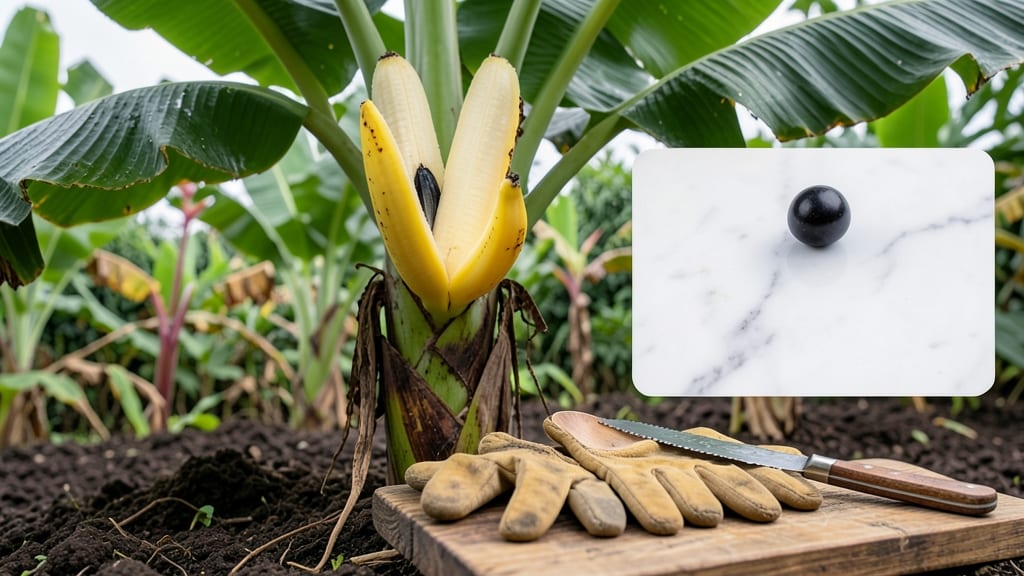
How to get banana seed to grow in a garden is harder than most people realize—it takes patience, the right conditions, and a little tropical know-how. 🌱 The seeds inside those tiny black specks inside banana fruit can sprout into a real plant, but germination rates are low, and the process moves at a snail’s pace. I’ve tried it twice, and only once did I get a seedling that lasted past the first month. The key is treating those seeds like delicate treasures: no rushing, no drying out, and definitely no direct sunlight until they’ve sprouted. You’ll need a warm spot (think 75–85°F), a humid environment, and a soil mix that stays moist but never soggy. Most home gardeners give up here—it’s not for the faint of heart—but if you stick with it, you might just grow a banana plant from a grocery store fruit. Once your seedling pops up (after 4–12 weeks), it’ll look like a miniature version of the real thing, with broad leaves and a sturdy stem. Transplant it into a pot with well-draining soil, and keep it happy in indirect light until it’s strong enough for the ground. Tropical climates are ideal, but with the right care, even cooler zones can coax a banana plant along—just expect slower growth. This method isn’t for instant gratification, but the thrill of watching a banana seed turn into a real plant makes it worth the wait. Here’s how to set it up right the first time.
📚 In This Guide
- What you need
- Instructions
- Tips and common mistakes
- Wrapping up and next steps
What you need
- ● Banana seeds: 3–5 fresh, plump seeds (harvested from ripe banana pulp—see our guide for extraction tips!).
- ● Seed-starting mix: 1–2 cups of well-draining, sterile potting soil (or a 50/50 mix of coconut coir and perlite).
- ● Small pots or seed trays: 3–5 biodegradable pots (3–4 inches deep) or a seed tray with drainage holes.
- ● Plastic wrap or humidity dome: To retain moisture while germinating.
- ● Spray bottle: For gentle watering (avoid over-saturating the soil!).
- ● Grow lights or sunny windowsill: A warm spot (75–85°F) with indirect light for 12+ hours/day.
- ○ Fertilizer (optional but helpful): A balanced liquid fertilizer (5-5-5 or 10-10-10) diluted to half-strength for young seedlings.
- ● Heating mat (70–80°F) to speed up germination.
- ● pH testing kit (ideal soil pH: 5.5–6.5 for bananas).
- ● Mulch or straw to retain moisture in the transplanting phase.
- ● Label markers to track seed varieties (if experimenting with different types!).
Step-by-step guide to germinating and transplanting banana seeds
Here's how to turn a banana seed into a thriving tropical plant in your garden.
🌱 Step 1: Extract and Prepare the Seed
Start by saving the large, hard seed from a ripe banana (the kind with black spots inside). Rinse it thoroughly under warm water to remove any fruit residue. I like to soak it for 24 hours in a glass of water to soften the outer coating—this helps speed up germination later.
After soaking, gently rub the seed with a soft cloth to remove any remaining pulp. Place it on a paper towel and let it dry completely. This drying step prevents rot when you plant it. Store it in a cool, dark place until you're ready to start growing.
💧 Step 2: Germinate the Seed in a Warm, Moist Environment
Fill a small pot with sterile seed-starting mix (about 2 inches deep). Moisten it until damp but not soggy—you should be able to squeeze a handful without water dripping out. Make a small hole (½ inch deep) in the center and place the seed inside, covering it lightly with soil.
Cover the pot with plastic wrap to create a greenhouse effect, keeping the soil consistently warm (75-85°F). Place it in a warm spot, like on top of a refrigerator or near a sunny window. Germination can take 4-12 weeks, so patience is key—don’t disturb the seed during this time.
☀️ Step 3: Transplant the Sprout into a Larger Container
Once the seed sprouts and the first true leaves appear, carefully remove it from the pot. Use a small trowel to loosen the soil around the roots before transferring it to a 6-inch pot filled with well-draining potting mix. Plant it at the same depth it was growing before.
Place the pot in bright, indirect light at first—direct sun can scorch young banana plants. Water gently when the top 1 inch of soil feels dry, but avoid overwatering. Banana plants love moisture but hate soggy roots, so ensure the pot has drainage holes.
🌿 Step 4: Gradually Acclimate to Outdoor Conditions
After 4-6 weeks of indoor growth, when the plant reaches about 6 inches tall, start hardening it off. Move it outside for 1-2 hours the first day, gradually increasing time over 10-14 days. Choose a shaded spot to protect it from harsh sunlight.
Once the plant shows no signs of stress (like yellowing leaves), it’s ready for its permanent outdoor spot. Bananas thrive in full sun and warm climates, so pick a location with 6+ hours of sunlight daily. If you're in a cooler zone, grow it in a large container that can be moved indoors during winter.
⏰ Step 5: Maintain Growth for a Mature Plant
Water the plant deeply 2-3 times per week, keeping the soil consistently moist but not waterlogged. Banana plants are heavy feeders, so fertilize monthly with a balanced tropical plant fertilizer during the growing season. In cooler months, reduce watering and fertilizing.
Watch for pests like aphids or spider mites—spray the leaves with water or use neem oil if you spot any. With proper care, your banana plant can grow 6-10 feet tall indoors or outdoors, eventually producing flowers and (if pollinated) fruit—though it may take 3-5 years to bear bananas from seed.
Tips & tricks for germinating and transplanting banana seeds
A few simple tricks can make all the difference when growing banana plants from seed.
Seed Preparation: The 24-hour soak is your best friend for breaking down that tough outer coating. Use filtered water—chlorine can inhibit germination. After soaking, I like to place the seed between two paper towels in a sealed plastic bag for an extra 12 hours. This keeps it consistently moist while preventing rot. The goal is to soften it just enough so it won't crack when planted.
Germination Environment: That 75-85°F range is critical—any cooler and germination slows dramatically. I've found placing the pot on top of a refrigerator works perfectly, especially in cooler homes. If your home stays below 70°F, consider using a seedling heat mat ($10 at garden centers) underneath the pot. The plastic wrap creates humidity, but check it daily—condensation can lead to mold if left unchecked.
Transplanting Timing: Wait for those first true leaves (not the initial seed leaves) before transplanting—this confirms the seedling has established roots. When moving to the 6-inch pot, I gently squeeze the soil around the seedling to encourage root spread. This helps prevent transplant shock. Use a small trowel to make the hole, but don't pack the soil too tightly around the roots.
Hardening Off: The 1-2 hour outdoor exposure is just the beginning. I gradually increase time by 30 minutes each day until reaching full sun. Watch for leaf curling—this means it's getting too much sun too fast. A simple shade cloth ($15) works wonders for protecting delicate seedlings during this transition period.
Pro Tips for Get Banana Seed In Grow A Garden
- A few simple tricks can make all the difference when growing banana plants from seed.
- Seed Preparation: The 24-hour soak is your best friend for breaking down that tough outer coating.
- Germination Environment: That 75-85°F range is critical—any cooler and germination slows dramatically.
Frequently asked questions
about growing banana plants from seed can be tricky, but we’ve got your back! Here are answers to the most common questions to help you succeed.How long does it take for a banana seed to germinate?
A banana seed typically takes 4 to 8 weeks to germinate, depending on temperature and moisture. Keep the soil warm (around 70–80°F) and consistently damp. Patience is key—some seeds may take even longer, so don’t give up if you don’t see sprouts right away!
Can I grow a banana tree from a grocery store banana?
Yes, but with a catch! Store-bought bananas are often sterile (no seeds) due to commercial breeding. For seeds, use organic or heirloom bananas like Red Dacca or Ice Cream varieties. If you’re unsure, split the seed to check—if it’s hard and dark, you’re in luck!
How do I speed up banana seed germination?
Try these tricks:
- Soak seeds in warm water for 24 hours before planting.
- Use a heat mat to maintain consistent warmth.
- Plant seeds shallowly (½ inch deep) in well-draining soil.
- Cover the pot with plastic wrap to retain humidity.
What do I do if my banana seed sprouts but the seedling dies?
Don’t worry—this is common! Seedlings are fragile. If yours dies, check for:
- Overwatering (root rot is a silent killer).
- Cold drafts (banana plants love warmth!).
- Poor drainage (use a mix of potting soil and perlite).
Can I grow a banana tree indoors?
Yes, but it’s a long-term project. Banana plants need lots of light (a sunny window or grow lights) and humidity (mist leaves daily or use a pebble tray). Start with a large pot (10+ inches) and move it outdoors during warm months for faster growth. Expect it to take years to bear fruit!
Wrapping up and next steps
Growing banana plants from seed is a rewarding adventure that brings a touch of the tropics to your garden! 🌱 Whether you’re starting with a store-bought banana or rescuing seeds from a rotting fruit, the process is simple and exciting.
With patience and care, you’ll soon have a thriving young plant ready to transplant—just imagine the fresh, homegrown bananas (or stunning foliage!) it could bring in the future.
Ready to take the next step? Start by germinating your seeds indoors—follow the steps above, and soon you’ll be nurturing your very own banana seedling. Happy gardening! 🌿