
Propagation
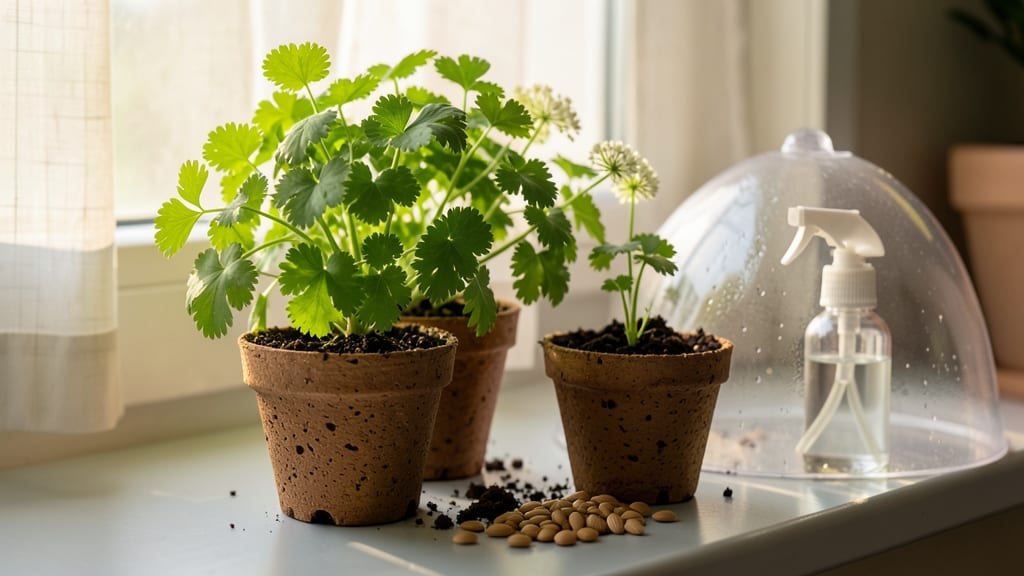
Growing cilantro from seed in pots lets you enjoy fresh, fragrant leaves all season without the dreaded bolting that ruins store-bought plants. 🌱 I’ve battled cilantro’s tendency to bolt for years—until I cracked the code with the right pot size, shade tricks, and consistent moisture.
The secret isn’t complicated: it’s about mimicking cilantro’s natural preferences in a container. Start with 4-inch pots (or larger) and well-draining soil mixed with compost. Plant seeds ¼-inch deep, spacing them 1 inch apart—crowding leads to leggy, weak plants.
Keep the soil evenly moist (not soggy) and place pots in partial shade (morning sun, afternoon shade works best). Most beginners overwater or let pots dry out completely—both trigger bolting. Within 2-3 weeks, you’ll see lush, bright green leaves ready to harvest.
Snip the outer stems first to encourage bushier growth, and avoid cutting more than ⅓ of the plant at once. The flavor stays vibrant if you harvest regularly, and with the right care, your cilantro will keep producing for 6-8 weeks—far longer than store-bought bunches.
This method works for balconies, windowsills, or patios, even in small spaces. The key is patience and consistency—cilantro rewards gardeners who give it the right conditions. Ready to grow your own? Let’s get those seeds started!
📚 In This Guide
- What you need
- Instructions
- Tips and common mistakes
- Wrapping up and next steps
What you need
- ● Cilantro seeds: 1–2 packets (organic, non-GMO preferred; ~50–100 seeds per packet). Look for varieties like Santo or Calypso for slower bolting.
- ● Containers: 3–5 small pots (4–6 inches deep) or 1–2 larger pots (8+ inches deep) with drainage holes.
- ● Material: Terracotta (breathable) or plastic (retains moisture). Avoid metal.
- ● Potting mix: 2–3 bags of high-quality, well-draining seed-starting mix (avoid garden soil—it’s too dense!).
- ● Drainage layer: Perlite, pumice, or small pebbles (½ inch thick) for pots without built-in drainage.
- ● Watering can or spray bottle: With a gentle nozzle to avoid disturbing seeds.
- ● Grow lights or sunny windowsill: 6+ hours of direct sunlight daily (south-facing window or LED grow lights for indoor setups).
- ● Seedling heat mat: Speeds up germination (70–75°F ideal).
- ● Fertilizer: Balanced liquid fertilizer (5-5-5 or 10-10-10) diluted to half-strength, used after sprouting.
- ● Shade cloth: 30–50% coverage to protect seedlings from intense midday sun (especially in hot climates).
- ● Plant labels: To track planting dates and varieties.
- ● Humidity dome or plastic wrap: Keeps seeds moist during germination (remove once sprouts appear!).
Step-by-Step instructions for growing cilantro in pots
Here’s how to coax tender, bolt-resistant cilantro from seed—no bitter surprises or wasted effort.
🌱 Step 1: Choose the Right Containers and Soil Mix
Cilantro thrives in 4-inch diameter pots with drainage holes—too much space makes it leggy. I use biodegradable peat pots because they eliminate transplant shock when it’s time to move plants. Fill each pot with a lightweight seed-starting mix (never garden soil—it’s too dense and compacts easily). Moisten the mix until it’s damp like a wrung-out sponge, then let it drain for 10 minutes to avoid waterlogged roots.
Press the soil down gently to remove air pockets, but don’t pack it tightly. The goal is a loose, fluffy texture that lets cilantro’s delicate roots spread freely. If your mix lacks organic matter, stir in 1 tablespoon of compost per pot—cilantro loves fertile, well-aerated soil. Here’s the thing: cilantro hates competition, so one seed per pot is ideal. Crowding leads to weak stems and early bolting.
🌱 Step 2: Sow Seeds at the Perfect Depth and Spacing
Plant two seeds per pot at a depth of ¼ inch—any deeper and they’ll struggle to break through. Use your finger to make a small hole, drop in the seeds, then cover lightly with soil. Gently pat the surface to ensure good seed-to-soil contact. I tap the pot on the table once to settle everything without disturbing the seeds.
Label each pot immediately—cilantro seedlings look identical to other greens until they develop the classic feathery leaves. Place the pots in a humidity dome or cover with plastic wrap to retain moisture. Keep them in warmth (70–75°F) for germination, which takes 7–14 days. Don’t overwater now; the dome traps enough moisture that the soil stays evenly damp without intervention.
☀️ Step 3: Provide Cool Conditions and Indirect Light
Once seedlings emerge, remove the dome and move them to a bright, indirect light spot—cilantro bolts when exposed to hot, direct sun or high temperatures. A north-facing window or grow light 6–12 inches away works best. You’ll notice leggy growth if the light is too weak; adjust the distance until seedlings grow compact and dark green, not stretched and pale.
Keep soil consistently moist but never soggy—cilantro roots are shallow and dry out fast. Water at the base to avoid wetting leaves, which invites fungal diseases. If your home runs above 75°F, move pots to a cooler spot (like a garage with natural light) or switch to a shade-tolerant variety like ‘Calypso’ or ‘Santo’. Real talk: cilantro hates heat, so plan for partial shade during summer afternoons.
✂️ Step 4: Thin and Harvest for Continuous Growth
When seedlings reach 2 inches tall, thin to the strongest one per pot by snipping the weaker stem at the base with clean scissors. Use the thinned greens in cooking—waste not! Cilantro is ready for harvest when leaves reach 3–4 inches, typically 4–6 weeks after sowing. Cut stems just above the soil line to encourage bushier regrowth.
Here’s the trick to prevent bolting: harvest frequently. If you let it flower, those white umbels signal the end of tender leaves. I harvest every 2–3 weeks and replant new seeds every 3–4 weeks for a steady supply. If plants start flowering, trim the stems back by half—sometimes they’ll regrow leaves, but expect reduced vigor.
🪴 Step 5: Rotate and Repot for Longevity
Every 2–3 weeks, rotate pots a quarter turn so all sides get even light. Cilantro grows toward the light, and uneven exposure leads to lopsided plants. If leaves yellow or growth stalls, the pot may be root-bound. Repot into a slightly larger container (6-inch diameter) with fresh soil to revive it.
For overwintering, move pots indoors near a south-facing window or under grow lights. Reduce watering slightly—cilantro goes semi-dormant in winter and needs less moisture. With this method, you’ll enjoy fresh cilantro year-round, no bitter aftertaste or wasted seeds. The key? Cool temps, indirect light, and relentless harvesting.
Tips & tricks for growing cilantro in pots
A few clever adjustments can make all the difference between cilantro that thrives and cilantro that bolts before you even get to harvest.
Soil Texture Matters: In Step 1, when you're preparing your 4-inch pots, focus on achieving that "wrung-out sponge" moisture level. Too much compaction from pressing down will suffocate those delicate roots. I find using a fork to fluff the soil mix after adding compost creates the perfect air pockets. This loose texture mimics cilantro's natural growing conditions and prevents waterlogging that can rot seeds before they even sprout.
Germination Environment: The 7-14 day germination window in Step 2 can feel like an eternity, but patience pays off. Place your humidity dome-covered pots in a warm spot (70-75°F) that gets indirect light—like on top of your fridge. This warmth speeds germination while preventing the seedlings from stretching toward light too soon. Pro tip: I place a small fan on low setting near the pots during germination. The gentle airflow strengthens stems and prevents that classic "damping off" fungal disease that can wipe out seedlings overnight.
Light Management: Step 3's emphasis on indirect light is crucial, but here's what nobody tells you—cilantro's light requirements change as it grows. Seedlings need bright but indirect light, but once they reach 2 inches, they'll tolerate slightly more direct morning sun (just avoid afternoon heat). I rotate my pots every morning to give all sides equal exposure, which creates bushier plants. For indoor growers, a simple LED shop light on a timer works wonders—just keep it 6-12 inches away as specified.
Harvesting Strategy: The frequent harvesting advice in Step 4 works, but timing matters. Harvest when leaves reach 3-4 inches—this is when they're most flavorful and tender. I use clean kitchen scissors to cut just above the soil line, then immediately rinse and dry the leaves. The key to continuous growth is harvesting before plants exceed 6 inches tall. At this stage, cilantro starts prioritizing flowering over leaf production, and you'll get that bitter taste you're trying to avoid.
Pro Tips for Growing Cilantro From Seed In Pots
- A few clever adjustments can make all the difference between cilantro that thrives and cilantro that bolts before you...
- Soil Texture Matters: In Step 1, when you're preparing your 4-inch pots, focus on achieving that "wrung-out sponge" m...
- Germination Environment: The 7-14 day germination window in Step 2 can feel like an eternity, but patience pays off. ...
Frequently asked questions
Got questions about growing cilantro from seed in pots? You’re not alone—this herb can be finicky! Here are answers to the most common concerns to help you grow lush, flavorful cilantro without the stress.
How long does it take for cilantro seeds to germinate in pots?
Cilantro seeds typically take 7–14 days to sprout, depending on temperature and moisture. Keep the soil consistently damp (not soggy) and place pots in a warm spot (around 70°F) for faster germination. Patience is key—don’t overwater or disturb the soil while waiting!
Why does my cilantro bolt so quickly, even in pots?
Cilantro bolts (sends up flowers) due to heat or long daylight. To delay bolting:
- Harvest leaves frequently to encourage bushier growth.
- Use shade cloth (30–50%) if temps exceed 80°F.
- Choose slow-bolting varieties like ‘Calypso’ or ‘Santo.’
If it bolts, snip the flowers to redirect energy back to the leaves!
What’s the best pot size for growing cilantro?
Aim for pots at least 6 inches deep and wide—cilantro has shallow roots but needs room to spread. For multiple plants, use 8–12-inch containers with drainage holes. Overcrowding stresses plants, so space seeds ½ inch apart and thin to 2–3 inches once sprouts emerge.
How often should I water cilantro in pots?
Water cilantro when the top inch of soil feels dry—usually every 2–3 days in warm weather. Pots dry out faster than garden beds, so check daily. Avoid soggy soil (root rot risk!) and use a spray bottle for gentle watering to prevent washing away seeds.
Can I grow cilantro indoors year-round in pots?
Yes! Place pots near a south-facing window or under grow lights (12–14 hours/day). Keep temps between 50–75°F and use a humidity tray (pebbles + water) to mimic outdoor conditions. Just watch for bolting—indoor cilantro may still flower if daylight stretches too long in summer.
What can I do if my cilantro tastes bitter?
Bitter flavor often means the plant is stressed or bolting. Try these fixes:
- Harvest leaves young and often (before seeds form).
- Move pots to cooler, shadier spots.
- Flavor tip: Freeze fresh cilantro to mellow bitterness.
If it’s too late, save the seeds for next season!
Wrapping up and next steps
Growing cilantro from seed in pots is a rewarding journey that brings fresh, vibrant herbs right to your kitchen—without the frustration of bolting! 🌱 With the right container, soil, and care, you’ll enjoy a steady harvest of flavorful leaves for months.
Whether you’re a beginner or a seasoned gardener, this method makes it easy to cultivate cilantro year-round, even in small spaces.
Ready to level up your herb game? Start by harvesting your first batch and experimenting with recipes—think salsas, soups, or homemade hot sauces. Happy growing! 🌿