
Size
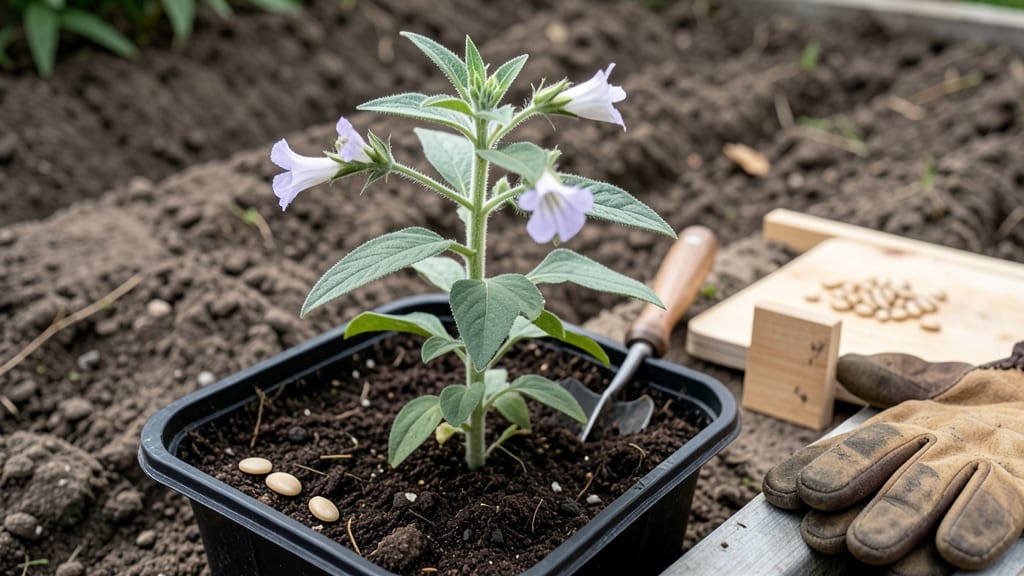
Growing sesame plants from seed is easier than you think—no greenhouse or fancy tools needed. 🌱 I’ve grown sesame in my backyard twice now, and the secret lies in warm soil, patience, and knowing when to step back.
These plants thrive where most vegetables struggle: in hot, dry conditions that would fry tomatoes or peppers.
The process starts with direct sowing after your last frost when soil reaches 75°F—no need for indoor starts. Plant seeds ½ inch deep, spacing them 12 inches apart in rows 18 inches apart.
Sesame seeds germinate fast (about 7-10 days) but need consistent moisture until they sprout, then very little water after that. They’re drought-tolerant once established, which makes them perfect for low-maintenance gardeners.
By midsummer, you’ll see those familiar tall, slender stalks reaching toward the sun, each topped with delicate white flowers that turn into the pods we harvest. The plants grow 3-5 feet tall, and the real magic happens when the pods turn yellow—harvest within 2-3 weeks before they shatter.
One plant yields enough seeds for homemade tahini or snacks, and the process is oddly satisfying.
Works best in USDA Zones 4-10 with full sun (6+ hours daily) and well-draining soil. If you’re in a cooler climate, wait until late spring or even early summer to plant.
The key to success? Don’t overwater—sesame hates soggy roots. Let me show you how to get from seed to harvest without the usual gardening headaches.
📚 In This Guide
- What you need
- Instructions
- Tips and common mistakes
- Wrapping up and next steps
What you need
- ● Sesame Seeds: 1–2 lbs (0.5–1 kg) of high-quality, certified organic sesame seeds (e.g., Sesamum indicum varieties like Bunsi or Tifkiz-1). Pro tip: 💡 Buy from a trusted seed supplier for best germination rates!
- ● Growing Medium: Soil: Well-draining, loamy soil with a pH of 6.0–7.5 (amend with compost if needed).
- ● Alternative: 5–10 gallons of sterilized potting mix (for containers).
- ● Watering Can/Sprinkler: With a fine rose nozzle for gentle watering.
- ● Fertilizer: Organic: 1–2 cups of balanced compost (e.g., cow manure or worm castings) per 10 sq ft.
- ○ Synthetic (optional): 10-10-10 NPK fertilizer (apply sparingly, ~1 tbsp per plant at planting).
- ● Planting Containers (if applicable): 6–12-inch deep pots (1–2 plants per container) or raised beds.
- ○ Mulch: Straw or dry leaves to retain moisture (optional but helpful in hot climates!).
- ● Climate: Sesame thrives in warm, dry conditions (ideal temps: 70–90°F (21–32°C)). Avoid frost or cool soils.
- ● Sunlight: Full sun (6–8+ hours/day)—no shade allowed!
- ● Space: Plant seeds 6–12 inches apart in rows 18–24 inches apart.
- ● Water Access: Drip irrigation or a hose for consistent (but not soggy) moisture.
- ● Seedling trays for starting indoors (if your climate is too cool early on).
- ● Pest deterrents: Neem oil or row covers (to protect from birds/insects).
- ● Pruning shears (for shaping plants if needed).
- ● Harvesting gloves (sesame pods can be sticky!).
Step-by-step guide to growing sesame plants from start to harvest
Here's how to grow sesame plants with minimal fuss—ideal for small spaces and warm climates.
🌱 Step 1: Prepare the Soil and Plant Seeds
Sesame thrives in well-draining soil with a pH between 6.0 and 7.5. Mix 1 part compost into 2 parts garden soil or use a lightweight potting mix if growing in containers. Sesame seeds need warmth to germinate, so wait until the soil temperature reaches at least 70°F—use a soil thermometer to confirm.
Plant seeds ½ inch deep and 1 inch apart in rows spaced 12 inches apart. Sesame seeds are tiny, so I use a small spoon to place them precisely. Water gently after planting to settle the soil around the seeds without displacing them. Overwatering now can cause seeds to rot before they sprout.
☀️ Step 2: Provide Warmth and Sunlight for Germination
Sesame seeds germinate best in full sun and warm conditions. Place your seedlings in a spot that receives at least 6-8 hours of direct sunlight daily. If starting indoors, use a grow light positioned 2-3 inches above the seedlings to mimic sunlight until they’re ready to transplant.
Germination typically takes 7-14 days, depending on soil warmth. Keep the soil consistently moist but not soggy—water when the top inch feels dry. Once the first true leaves appear (not the initial seed leaves), thin seedlings to 6 inches apart to give them room to grow. This prevents overcrowding and improves air circulation.
💧 Step 3: Maintain Consistent Watering and Fertilization
Sesame plants are drought-tolerant once established, but they need regular watering during the first 4-6 weeks to encourage strong root growth. Water deeply once a week, providing about 1 inch of water per week. Reduce watering slightly as the plants mature to prevent excessive foliage growth, which can weaken seed production.
Fertilize lightly with a balanced, low-nitrogen fertilizer (like 10-10-10) when seedlings are 4-6 inches tall. Apply fertilizer at half-strength to avoid burning the plants. Sesame plants are sensitive to excess nitrogen, which promotes leafy growth at the expense of seed production. Stop fertilizing once flowering begins.
⏰ Step 4: Monitor Growth and Harvest at Peak Maturity
Sesame plants reach maturity in 80-100 days, depending on the variety. Watch for yellowing leaves and brown seed pods—these are signs that the plants are ready for harvest. The pods should feel dry and brittle when gently squeezed. Harvest on a dry, sunny day to prevent moisture from affecting seed quality.
Cut the entire stalk with clean pruners and hang it upside down in a well-ventilated, dry area for 1-2 weeks to fully dry. Once the pods are completely dry, rub them between your hands to release the seeds. Store the seeds in an airtight container in a cool, dark place for up to 6 months.
✂️ Step 5: Prevent Common Pests and Diseases
Sesame plants are relatively pest-resistant, but aphids and whiteflies can occasionally be an issue. If you spot these pests, spray the plants with neem oil or a soapy water solution (1 tablespoon of mild dish soap per gallon of water). Avoid chemical pesticides, as they can leave residues on the edible seeds.
To prevent fungal diseases like powdery mildew, ensure the plants have good air circulation and avoid overhead watering. If you notice white, powdery spots on the leaves, remove affected foliage immediately and reduce humidity around the plants. A light application of baking soda spray (1 teaspoon baking soda + 1 quart water + a drop of dish soap) can help control mild infections.
Tips & tricks for perfect sesame seed plant growth
A few simple strategies will help you grow sesame plants that thrive from seed to harvest with minimal fuss.
Soil Temperature Secret: Your soil needs to hit that 70°F minimum for germination to begin. I always test soil warmth with a thermometer—cold soil (below 65°F) will delay sprouting by weeks. If your spring soil is still cool, consider using a seedling heat mat ($15-20) under your pots to jumpstart growth. The tiny sesame seeds won't tolerate chill.
Precision Planting Technique: Those ½-inch deep seeds need perfect placement—too deep and they won't emerge, too shallow and they'll dry out. I use a small spoon to create individual planting holes, then place just 1-2 seeds per hole (they germinate at different rates). After planting, I gently pat the soil with my fingers rather than watering immediately—this prevents seed displacement while keeping them moist enough to sprout.
Sunlight Strategy: Sesame plants demand that 6-8 hours of direct sunlight daily, but here's what I've learned: morning sun is more important than afternoon. If you're growing in containers, rotate them every few days so all sides get equal light exposure. For indoor starts, position your grow light 2-3 inches above the seedlings and keep it on for 12-14 hours daily to mimic summer daylight.
Harvesting Cue: The pods should feel completely dry and brittle when you gently squeeze them—this is your 80-100 day harvest window. I test pods by rubbing them between my fingers: if they crumble easily and the seeds rattle inside, they're ready. Harvesting too early means underdeveloped seeds, while waiting too long can cause them to shatter on the plant. A dry, sunny day is ideal for cutting stalks to prevent moisture from affecting seed quality.
Pro Tips for Grow Sesame Seed Plant
- A few simple strategies will help you grow sesame plants that thrive from seed to harvest with minimal fuss.
- Soil Temperature Secret: Your soil needs to hit that 70°F minimum for germination to begin.
- Precision Planting Technique: Those ½-inch deep seeds need perfect placement—too deep and they won't emerge, too shallow and they'll dry out.
Frequently asked questions
Got questions about growing sesame seeds? You’re not alone—here are answers to the most common ones to help you cultivate healthy, harvest-ready plants with ease!
How long does it take for sesame seeds to grow from planting to harvest?
Sesame plants typically take 80–120 days to mature, depending on the variety and climate. Early-maturing varieties (like Tifkiz) may be ready in as little as 70 days, while larger-seeded types can take up to 150 days. Monitor soil warmth and daylight hours—sesame thrives in hot, sunny conditions!
Do sesame plants need a lot of water?
Not at all! Sesame is drought-tolerant once established. Water deeply but infrequently—about 1 inch per week—especially during flowering. Overwatering can lead to fungal issues. Let the top inch of soil dry out between waterings for best results.
What pests or diseases should I watch for when growing sesame?
Sesame is relatively pest-resistant, but keep an eye out for aphids, spider mites, and whiteflies. For diseases, powdery mildew and leaf spot can occur in humid conditions. Improve airflow, avoid overhead watering, and use neem oil if needed. Rotate crops yearly to prevent soil-borne issues.
Can I grow sesame seeds indoors or in containers?
Yes! Sesame can thrive in 5–7 gallon containers with well-draining soil. Place them in a sunny spot (6+ hours of light daily) or under grow lights. Just ensure the container is deep enough (12+ inches) for root growth. Indoor-grown sesame may yield smaller plants but still produce edible seeds!
What’s the best time to plant sesame seeds?
Wait until the soil is warm (70°F+) and the last frost has passed. In most regions, this is late spring to early summer. Sesame hates cold—planting too early can stunt growth. If your climate is hot year-round, plant after the rainy season for optimal results.
Wrapping up and next steps
Growing sesame seeds is a rewarding journey that combines simplicity with a bountiful harvest—perfect for both beginners and seasoned gardeners! With the right soil, sunlight, and a little patience, you’ll soon enjoy crispy, nutrient-packed stalks ready for snacking or cooking.
Whether you’re cultivating for oil, seeds, or just the joy of nurturing life, every step—from planting to harvest—is a small victory worth celebrating.
Ready to take the next step? Start small with a few plants, experiment with varieties, and watch your green thumb grow! 🌱✨ Share your progress or tips with fellow gardeners—your success might inspire someone else’s harvest.