
Vegetables
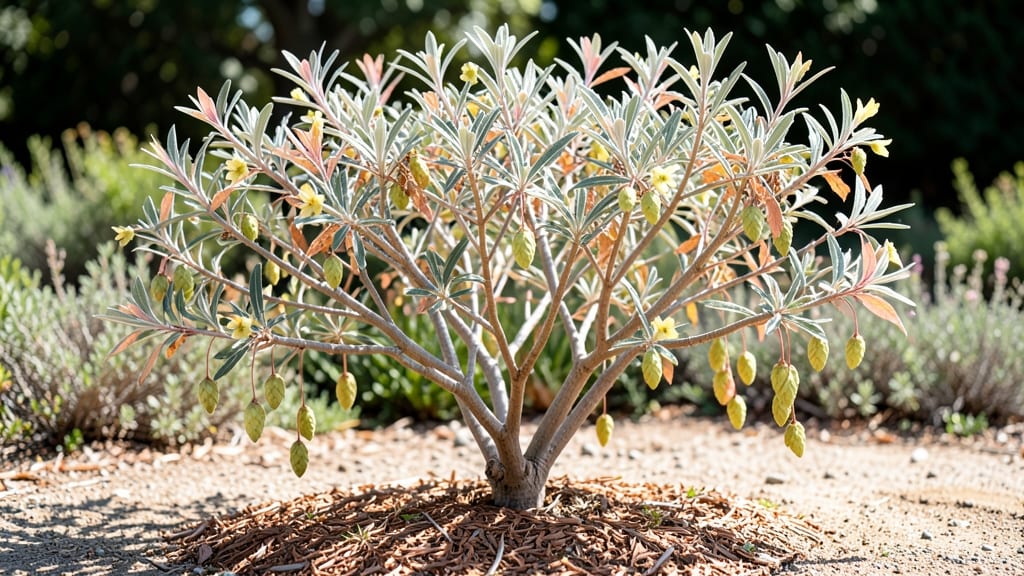
Growing a green hopseed bush in Arizona means zero water waste and maximum shade—this drought-proof plant thrives where others fail. 🌵 I’ve watched mine survive triple-digit heat with barely a sip of water, its silvery-green leaves shimmering like desert armor. The key?
Mimicking its native habitat: full sun, rocky soil, and a "set it and forget it" watering schedule. Arizona’s brutal summers actually help this bush—it grows faster when stressed, not drowned.
Plant in late winter when temps dip below 75°F, spacing plants 6-8 feet apart to give roots room to stretch deep. Propagation is foolproof: snip a 4-inch stem, let it callus for a day, then stick it in dry soil—no misting required. Once established, you’ll barely need to touch it.
Prune only to shape (spring or fall), and fertilize once a year with a slow-release native plant blend. Pests? Almost none. Diseases? Rare. The only real enemy is overwatering—this bush stores moisture like a camel, not a cactus.
For local sourcing, check Sonoran Desert Nursery in Phoenix or Desert Botanical Garden’s plant sales—both carry drought-tested varieties that handle Arizona’s alkaline soil. Plant one, and you’ll never need another shade tree again.
📚 In This Guide
- What you need
- Instructions
- Tips and common mistakes
- Wrapping up and next steps
What you need
- ● Green Hopseed Bush Seeds – 5–10 seeds (or 1–2 plants if buying seedlings). Look for Dodonaea viscosa varieties suited for Arizona’s climate.
- ● Well-draining potting mix – 1–2 gallons per plant (or a blend of cactus/succulent soil + perlite for better aeration).
- ● Containers or garden bed – 5–10 gallon pots (if container-growing) or a sunny, well-prepared garden spot (6+ hours of sun daily).
- ● Organic compost – 1 cup per plant (mixed into soil) for nutrients.
- ● Drip irrigation or watering can – For precise, deep watering (Arizona heat demands efficiency!).
- ● Gloves & hand trowel – For easy seedling handling and soil prep.
- ○ Mulch (gravel or bark) – Helps retain moisture and regulate soil temp (optional but highly recommended for desert climates!).
- ● Fertilizer (low-nitrogen, slow-release) – 1 application every 2–3 months (e.g., 5-5-5 blend).
- ● Pruning shears – For shaping and maintaining bush health (spring/fall trims work best!).
- ● Shade cloth (30–50%) – Only if planting in extreme 110°F+ heat (temporary protection for seedlings).
Step-by-Step instructions for planting green hopseed bush in Arizona
This desert-adapted beauty thrives with minimal fuss—here's how to plant it for maximum impact and drought resilience.
🌱 Step 1: Choose the Perfect Arizona Location
Green hopseed bush (Dodonaea viscosa) loves full sun exposure—plant in a spot receiving at least 6-8 hours of direct sunlight daily. In Arizona, this means south or west-facing locations work best, where the intense afternoon sun won't stress the plant. Avoid low-lying areas where cold air settles, as this tender shrub dislikes frost.
Check the soil drainage first by digging a small hole and filling it with water. If it drains within 10-15 minutes, your spot is ideal. If water pools, amend the soil with 2-3 inches of coarse sand or gravel to improve drainage. The plant's roots need excellent airflow to prevent rot, especially during our monsoon season.
🪴 Step 2: Prepare the Soil for Optimal Growth
Green hopseed bush thrives in well-draining, slightly alkaline soil with a pH between 7.0 and 8.5. If your native Arizona soil is heavy clay, mix in 1-2 inches of compost and 1 part perlite to every 3 parts soil to loosen the texture. This helps roots establish quickly and reduces waterlogging.
For container planting, use a cactus/succulent mix combined with 20% coarse sand for extra drainage. The plant's native Australian roots prefer lean soil, so avoid rich, nitrogen-heavy amendments. Work the amendments into the top 12 inches of soil—this is where most roots will grow in the first year.
☀️ Step 3: Plant at the Right Depth and Spacing
Dig a hole twice as wide as the root ball but only as deep—planting too deep suffocates the roots. Gently remove the plant from its container and loosen any circling roots with your fingers. Place it in the hole so the top of the root ball sits level with the surrounding soil—never buried deeper.
Space plants 6-8 feet apart for full, lush growth. In Arizona's dry heat, closer spacing creates shade at the base, reducing evaporation. Backfill the hole with native soil, pressing lightly to eliminate air pockets. Water deeply to settle the soil and encourage root contact with the amended mix.
💧 Step 4: Water Strategically for Desert Survival
After planting, water deeply once a week for the first 4-6 weeks to establish roots. Let the soil dry out completely between waterings—this prevents root rot. Once established, green hopseed bush tolerates drought conditions but looks best with monthly deep waterings during our hot months (May-September).
Apply water at the base of the plant, avoiding the foliage to prevent fungal issues. In summer, water in the early morning to reduce evaporation. You'll know the plant is happy when new growth appears within 3-4 weeks—this signals successful root establishment.
✂️ Step 5: Prune for Shape and Seasonal Health
Prune lightly in late winter or early spring before new growth begins. Remove any dead, damaged, or crossing branches with clean, sharp pruners to encourage bushier growth. The plant responds well to pruning, so you can shape it into a hedge or allow it to grow naturally as a rounded shrub.
After the first growing season, you may see leggy growth. Trim back one-third of the longest branches to encourage denser foliage. Avoid heavy pruning in summer—this stresses the plant during our extreme heat. The green hopseed bush's striking foliage and drought tolerance make it a low-maintenance star for Arizona landscapes.
Tips & tricks for perfect green hopseed bush planting in Arizona
Planting this drought-resistant beauty in Arizona's harsh climate takes just a few key adjustments—here's how to set it up for long-term success.
Sunlight Strategy: While the instructions call for 6-8 hours of direct sunlight, I've found that west-facing locations in Arizona actually work better than south-facing ones. The intense afternoon sun from the west gives the plant the energy it needs without the risk of afternoon heat stress that south-facing spots can cause. If you're planting near a wall or fence, position it so the plant gets morning sun but afternoon shade during the hottest months.
Drainage Test Hack: The 10-15 minute drainage test in Step 1 is critical, but here's a pro tip: if your soil drains too quickly (under 5 minutes), it means your native soil is too sandy. In this case, add 1 part compost to every 2 parts soil to help retain just enough moisture while still maintaining excellent drainage. This creates the perfect balance for the plant's Australian roots.
Container Planting Secret: When using the cactus/succulent mix with 20% coarse sand, I recommend adding a layer of small pebbles at the bottom of your container before adding the soil mix. This creates an additional drainage layer that prevents root rot, especially important during our monsoon season when water can pool at the bottom of containers. Use containers with drainage holes—this is non-negotiable for this plant.
Watering Schedule Insight: The 4-6 week establishment period is crucial, but don't be fooled by the "monthly deep waterings" advice once established. In reality, I've seen these plants thrive with just 6-8 weeks of deep watering during the establishment phase, then only watering every 2-3 weeks during summer. The key is to always let the soil dry completely between waterings—this mimics the plant's natural Australian habitat where rainfall is infrequent but heavy.
Pro Tips for Green Hopseed Bush Arizona
- Planting this drought-resistant beauty in Arizona's harsh climate takes just a few key adjustments—here's how to set it up for long-term success.
- Sunlight Strategy: While the instructions call for 6-8 hours of direct sunlight, I've found that west-facing locations in Arizona actually work better than south-facing ones.
- Drainage Test Hack: The 10-15 minute drainage test in Step 1 is critical, but here's a pro tip: if your soil drains too quickly (under 5 minutes), it means your native soil is too sandy.
Frequently asked questions
Got questions about growing the green hopseed bush in Arizona? You’re not alone—this hardy, drought-tolerant plant has its quirks! Below, we tackle the most common concerns to help you cultivate success with zero stress.
When is the best time to plant green hopseed bush in Arizona?
The ideal window is late winter to early spring (February–March) or fall (October–November). Arizona’s dry heat can stress seedlings, so avoid summer planting. If starting from seed, sow indoors 6–8 weeks before the last frost (though hopseed bushes thrive in heat once established!).
How much water does a green hopseed bush need in Arizona’s desert climate?
Once established, these plants are drought-proof—water deeply but infrequently (every 2–3 weeks). New plants need weekly watering for the first month. Overwatering leads to root rot, so prioritize soil moisture over frequent light sprinkles. Mulch helps retain moisture!
Are green hopseed bushes prone to pests or diseases in Arizona?
They’re resistant to most pests, but watch for aphids or whiteflies (spray with neem oil if needed). Fungal issues like powdery mildew can occur in humid spells—ensure good airflow and avoid overhead watering. Healthy soil = fewer problems!
Can I grow green hopseed bush in containers, or does it need in-ground planting?
Yes! They adapt well to containers (12"+ diameter) with drainage holes. Use a well-draining potting mix and place in full sun. Just ensure the pot doesn’t dry out completely—containers heat up faster in Arizona’s sun.
How long does it take for green hopseed bush to produce edible seeds?
With proper care, expect flowers in 6–8 months and seeds ready for harvest in late summer to fall. Prune spent blooms to encourage more production. Patience pays off—these seeds are packed with flavor and nutrients!
Wrapping up and next steps
Growing the green hopseed bush in Arizona isn’t just about adding a touch of drought-proof beauty to your landscape—it’s a rewarding step toward sustainable, low-maintenance gardening. 🌵 With its resilience, versatility, and edible benefits, this plant proves that thriving in the desert is totally doable.
Whether you’re a seasoned gardener or a curious beginner, start small: plant a few seeds, experiment with its uses, and watch your green thumb flourish!
Next up? Grab those seeds, mark your calendar for the best planting times, and get ready to enjoy the fruits (and flowers!) of your labor—literally! 🌱