
Lawn
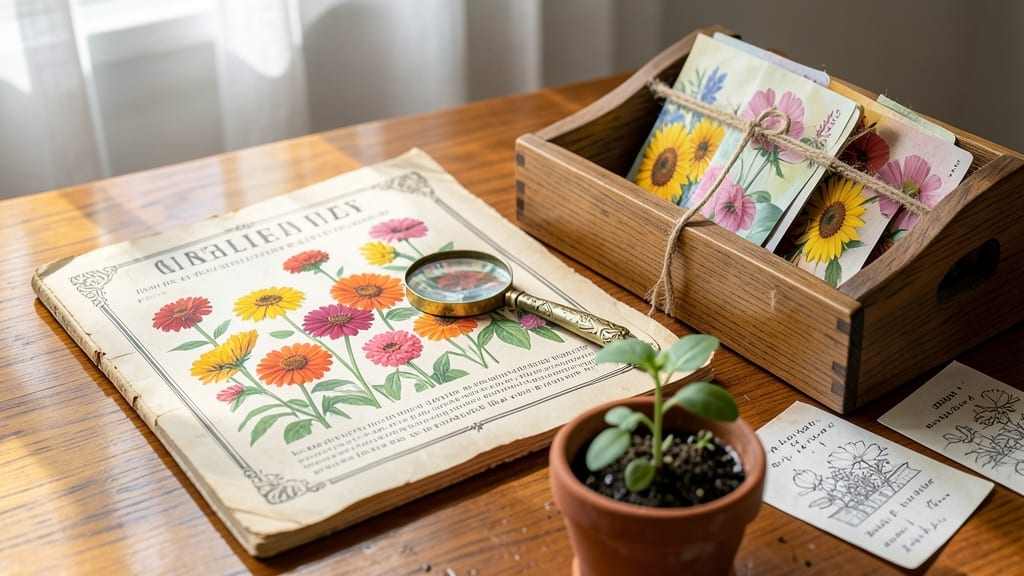
The 2025 flower seed catalogs are already here—and they’re packed with varieties you won’t find anywhere else. 🌸 I’ve been scouring the latest releases, and this year’s collections include rare heirlooms, drought-resistant hybrids, and bi-color blooms that’ll make your garden the talk of the neighborhood.
The early bird advantage means you can secure limited-edition seeds before they sell out, plus plan your color palette months in advance.
What makes these catalogs worth the wait? For starters, many now offer customizable seed packs—mix your own sunflower heights or choose rose colors by the stem.
Indoor seed-starting guides are more detailed than ever, with zone-specific timelines so you know exactly when to pop those seeds in your windowsill or greenhouse. And let’s be real: flipping through a catalog in January is the best way to beat winter blues.
By ordering now, you’ll have three full months to prep your soil, adjust pH levels, and even start tender annuals indoors. Imagine walking through your garden next summer surrounded by blooms you picked from a catalog—some of them so unique, your neighbors will ask where you got them.
The best part? Many catalogs include free growing guides with each order, so you’re not just buying seeds, you’re getting a step-by-step plan.
Pro tip: Set reminders for your last frost date (check your zone!) and mark your calendar for seed-starting deadlines—some varieties need 8-10 weeks indoors before transplanting. Whether you’re a seasoned gardener or a first-timer, these catalogs make planning your dream garden easier (and way more fun) than ever.
Let’s get those orders in before they’re gone!
📚 In This Guide
- What you need
- Instructions
- Tips and common mistakes
- Wrapping up and next steps
What you need
- ● 2025 Flower Seed Catalogs: 1-3 curated catalogs (e.g., Baker Creek Heirloom Seeds, Burpee, or Park Seed for diverse varieties).
- ● Highlighters or Sticky Notes: 2-3 colors to mark favorites, deadlines, and notes.
- ● Notepad & Pen: For jotting down seed quantities, planting zones (check your USDA Hardiness Zone Map), and deadlines.
- ● Measuring Tape or Ruler: To plan garden layouts (10-20 ft range recommended).
- ○ Digital Scale (Optional): For precise seed measurements (0.1 oz increments).
- ● Gloves: 1 pair (gardening or nitrile for sensitivity).
- ● Trowel or Transplanter: 1 (ergonomic handle preferred).
- ● Pruners: 1 pair (bypass pruners for clean cuts).
- ● Compost or Fertilizer: 5-10 lbs (organic options like fish emulsion or worm castings).
- ● Mulch: 2-3 bags (straw or shredded bark for moisture retention).
- ● Seed Starting Trays: 1-2 (72-cell trays for seedlings).
- ● Grow Lights: 1-2 LED bulbs (for indoor seed starting).
- ● Plant Labels: 50+ (waterproof markers + stakes).
- ● Rain Gauge: 1 (to track moisture for germination).
- ● Garden Journal: 1 (to log progress and lessons learned!).
How to choose the best flower seed catalogs for your garden
Picking the right catalogs sets the stage for a stunning garden next year—here’s how to make smart choices.
📖 Step 1: Identify Your Growing Zone and Climate Needs
First, locate your USDA hardiness zone—this determines which flowers will thrive in your area. Most reputable catalogs list zone requirements next to each variety, so you won’t waste money on seeds that won’t survive your winters. For example, tender annuals like impatiens need warm climates, while hardy perennials like coneflowers can handle colder zones.
I always cross-reference the catalog’s zone recommendations with my local climate notes. If you’re in a transitional zone (like Zone 7b), look for catalogs that offer region-specific advice or hybrid varieties bred for resilience. This ensures your garden stays vibrant without constant babying.
🌱 Step 2: Compare Catalog Specialties and Seed Quality
Not all catalogs are created equal—some specialize in heirloom varieties, while others focus on disease-resistant hybrids or native plants. I recommend starting with 2-3 catalogs that align with your goals: one for classic annuals, one for perennials, and one for specialty flowers like bulbs or cut flowers. Look for reviews mentioning germination rates and seed purity.
Pay attention to seed packaging too. Catalogs that offer seed-saving tips or organic certification (like those from Baker Creek or Burpee) often provide higher-quality seeds. I avoid catalogs with vague descriptions—if they don’t specify bloom time, height, or sunlight needs, move on. Trustworthy sources give you the details you need to plan your garden layout.
☀️ Step 3: Review Planting and Care Instructions
The best catalogs include not just seed packets but also planting charts, spacing guides, and care timelines. I prioritize catalogs that offer free planting calendars or apps—these help me schedule sowing dates based on my last frost date. For instance, a catalog that tells me to start petunias indoors 8-10 weeks before the last frost saves me from guessing.
Check if the catalog provides troubleshooting tips for common issues like powdery mildew or slug damage. Some even include companion planting suggestions, which can boost your garden’s health naturally. If a catalog skips these details, it’s a red flag—they’re not thinking about your garden’s long-term success.
💰 Step 4: Evaluate Pricing and Bulk Options
Seed prices vary wildly, so compare catalogs for the best value. Some offer discounts for bulk orders or multi-packet deals, which is great if you’re filling large beds. I usually calculate the cost per seed or per square foot of coverage—this helps me decide whether to splurge on rare varieties or stick to budget-friendly staples like marigolds.
Watch for hidden fees too. Some catalogs charge extra for shipping or offer "free" seeds with purchases that are tiny quantities of filler flowers. I prefer catalogs with flat-rate shipping or free shipping over a certain order amount. Also, check their return policies—some will refund you if seeds don’t germinate, which is a lifesaver for expensive varieties.
📦 Step 5: Order Early and Track Your Seeds
Popular catalogs sell out fast, so place orders by January or February for the best selection. I set reminders to order by my top 3-4 catalogs each year—this ensures I get the varieties I love without last-minute scrambling. When your order arrives, inspect the seeds immediately. Discard any that look shriveled or discolored, and store the rest in a cool, dry place.
Label each packet with the variety name, planting date, and location in your garden. I use a small notebook or digital app to track which seeds I’ve already planted and which are waiting for their turn. This prevents overcrowding and helps me rotate crops for better soil health. A little organization now means fewer headaches come spring.
Tips & tricks for selecting the best flower seed catalogs
Here's what I've learned after years of gardening—these little details make all the difference in your seed catalog selection.
Zone-Specific Knowledge: Don't just rely on the USDA zone listed on catalogs—check your local microclimate. Urban areas can be 5-10°F warmer than rural zones, while valleys often freeze earlier. I've seen gardeners in Zone 6 successfully grow Zone 7 plants by choosing south-facing beds that get extra warmth. Catalogs like Burpee now include microclimate maps that show how urban heat islands affect planting zones.
Seed Quality Red Flags: Watch for catalogs that show seed photos without magnification—this often means poor quality. The best catalogs include germination rate guarantees (typically 85% or higher) and organic certification badges. I once ordered from a catalog that promised "premium seeds" but had germination rates below 50%. Always check recent customer reviews for mentions of seed viability—this is the real test of quality.
Planting Calendar Tools: The catalogs that include free digital planting calendars are worth their weight in gold. Look for ones that sync with your local weather service or offer push notifications for frost dates. I use Johnny's Selected Seeds calendar because it automatically adjusts for my specific zip code and shows when to start seeds indoors versus direct-sowing. This saves me from guessing whether to start my petunias in March or April.
Pro Tips for Flower Seed Catalogs 2025
- Here's what I've learned after years of gardening—these little details make all the difference in your seed catalog selection.
- Zone-Specific Knowledge: Don't just rely on the USDA zone listed on catalogs—check your local microclimate.
- Seed Quality Red Flags: Watch for catalogs that show seed photos without magnification—this often means poor quality.
Frequently asked questions
Got questions about planning ahead with flower seed catalogs 2025? You’re not alone! Here are answers to the most common queries to help you bloom with confidence next season.
When should I order flower seeds for 2025?
Most catalogs open for pre-orders in late summer to early fall (August–October). Ordering early secures your favorites—especially heirloom or rare varieties—and gives you time to plan garden layouts. Pro tip: Set calendar reminders for catalog release dates!
Are flower seed catalogs more expensive than buying seeds online?
Not necessarily! Catalogs often offer bulk discounts, free shipping, or loyalty perks for repeat customers. Compare prices per seed packet—some catalogs bundle rare seeds at lower rates than retail sites. Tip: Watch for holiday sales (Black Friday, spring previews) for the best deals.
Can I save seeds from flowers I grow this year for 2025?
Many annuals (like zinnias, marigolds) and perennials (coneflowers, lavender) produce viable seeds. Save seeds from healthy, disease-free plants, store them in a cool, dry place, and label them clearly. Note: Hybrid flowers (e.g., petunias) may not grow true to type.
What’s the best way to store seeds I order in 2025 until planting?
Keep seeds in a cool (50–60°F), dry environment—like a sealed container with silica gel packets. Avoid refrigeration unless long-term (1+ years). Label each packet with the variety name and planting date to avoid mix-ups. Bonus: Use small glass jars for easy visibility!
How do I choose between heirloom and hybrid seeds in catalogs?
Heirloom seeds (open-pollinated) offer unique colors, better flavor (edible flowers), and save-able seeds but may need more care. Hybrids (F1) often boast disease resistance and vibrant blooms but require repurchasing. Pick based on your goals: sustainability vs. convenience!
Wrapping up and next steps
As you flip through the 2025 flower seed catalogs, remember that every seed holds the promise of beauty, color, and life—just waiting for your touch to bring it to bloom. 🌸 Whether you're drawn to heirloom roses, drought-resistant perennials, or whimsical annuals, these curated picks offer endless possibilities for transforming your outdoor space into a thriving sanctuary. Now’s the time to dream big, sketch your garden layout, and start planning your planting schedule!
🌱 Your Next Step: Order & Plant with Confidence
Ready to turn the page on your garden’s future? Place your order early to secure rare varieties and plan your seasonal blooms. Mark your calendar for the ideal planting windows, and don’t forget to share your excitement—gardeners love swapping tips and trade seeds! Happy growing! 🌿