
Lawn
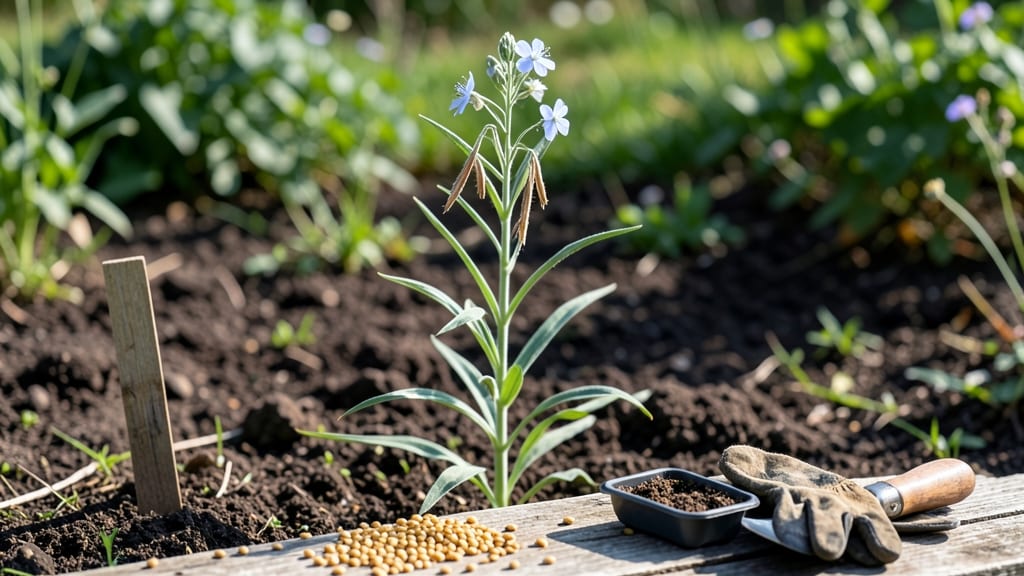
Planting flax seeds unlocks shockingly lush blue blooms that hummingbirds adore—here’s how to get them started in just 60 days without the usual guesswork. 🌱 I’ve grown flax for years, and the secret lies in cold stratification: mimicking winter’s chill to break dormancy before spring planting.
Most gardeners overlook this step, but it’s what turns flax from finicky to foolproof. The process couldn’t be simpler: scatter seeds in well-draining soil, barely cover them, and keep them moist but never soggy.
Flax thrives in full sun and tolerates poor soil, making it perfect for neglected corners of the yard. Just avoid heavy clay, and you’ll see those signature sky-blue spikes emerge within weeks. By late spring, you’ll have neighbor-jealousy levels of blooms—each stem packed with 50+ tiny flowers.
The plants self-seed aggressively, so you’ll get freebies for years. Plus, flax’s deep roots improve soil structure, making it a double win for your garden. Works in zones 3-9, though early spring or fall planting gives the best results.
Here’s the exact method I use every year—no more flax flops!
📚 In This Guide
- What you need
- Instructions
- Tips and common mistakes
- Wrapping up and next steps
What you need
- ● Flax seeds: 1–2 lbs (high-quality, organic if preferred). Look for Linum usitatissimum varieties like Storm or Linette for cold-hardy traits.
- ● Seed trays or starter pots: 2–3 (biodegradable or 4–6" deep with drainage holes).
- ● Potting mix: 2–3 gallons of well-draining, sterile mix (e.g., 60% peat moss, 30% perlite, 10% compost).
- ● Grow lights or sunny windowsill: 12–16 hours of light daily (LED grow lights work great for indoor starts).
- ● Spray bottle: 1 (for gentle watering).
- ● Plastic wrap or humidity dome: 1 (to retain moisture during germination).
- ● Cold stratification setup: Refrigerator (or cold frame)
- ● Moist paper towels or damp peat moss
- ○ Ziploc bag (optional, for sealed stratification)
- ● Garden bed or larger pots: 1–2 (for transplanting after 4–6 weeks; flax needs 12–18" spacing).
- ○ Fertilizer (optional): Balanced 10-10-10 or compost tea (diluted to half-strength).
- ● pH test kit (ideal soil pH: 6.0–7.0).
- ● Seedling heat mat (speeds up germination in cool climates).
- ● Label markers (to track varieties and planting dates).
- ● Organic mulch (straw or shredded leaves to retain moisture post-transplant).
- ● Pruning shears (for harvesting mature plants).
Step-by-step instructions for planting flax seeds
Here's the foolproof method I use to get flax blooming reliably every spring.
🌱 Step 1: Prepare Seeds with Cold Stratification
Flax seeds need 6-8 weeks of cold treatment to break dormancy. Place them in a quart-sized resealable bag with a damp paper towel—just enough moisture to feel damp but not dripping. Seal the bag and refrigerate it at 34-40°F for the full period. Check weekly to ensure the towel stays moist; if it dries, spritz lightly with water.
This mimics winter conditions and tricks the seeds into thinking spring has arrived. I label the bag with the date to avoid confusion—once those seeds hit the soil, you'll want them to germinate fast. Real talk: Skipping stratification means seeds either rot or take forever to sprout, if they sprout at all.
🪴 Step 2: Choose the Right Soil and Planting Location
Flax thrives in well-draining soil with a pH of 6.0-7.5. Mix 2 parts potting soil with 1 part perlite to ensure excess water drains away. Avoid garden soil—it compacts easily and can suffocate delicate flax roots. Plant in a location with full sun (6+ hours daily) or light shade; flax tolerates partial shade but may produce fewer blooms.
Sow seeds ¼ inch deep in rows spaced 12 inches apart. I use a small hand trowel to make neat furrows, then gently press seeds in with my finger—no need to pack them down. Thin seedlings to 6 inches apart once they reach 2 inches tall to give them room to grow. Overcrowding leads to weak stems and poor air circulation, which invites fungal issues.
☀️ Step 3: Water and Maintain Consistent Moisture
Water seeds immediately after planting to settle the soil, then keep the area evenly moist but never soggy. Flax roots are shallow, so let the top inch of soil dry between waterings. Use a spray bottle for seedlings to avoid dislodging them; switch to a gentle watering can once they're established. Mulch with ½ inch of straw to retain moisture and suppress weeds.
Here's the thing—flax is drought-tolerant once established, but seedlings need consistent moisture to prevent wilting. You'll see the first true leaves emerge in 7-10 days after planting. If leaves yellow or wilt, it’s usually a sign of overwatering or poor drainage. Adjust your watering routine until you find the sweet spot where the soil stays lightly damp but not waterlogged.
✂️ Step 4: Fertilize and Prune for Optimal Growth
Flax doesn’t need heavy feeding, but a light application of 5-10-10 fertilizer at planting and again when seedlings reach 4 inches tall encourages lush growth. Use ½ teaspoon per plant to avoid burning delicate roots. I skip fertilizer entirely in poor soils and rely on compost instead—flax is happy with minimal nutrients as long as the soil drains well.
Deadhead spent blooms by pinching off flowers as they fade. This redirects the plant’s energy into producing more flowers rather than setting seed. You’ll notice new buds forming within 2-3 weeks of pruning. Avoid cutting back more than ⅓ of the plant at once—flax is a delicate perennial (in warm climates) and can struggle to recover from heavy pruning.
⏰ Step 5: Harvest and Prepare for Next Season
Flax blooms typically appear 60-70 days after planting, depending on your climate. Harvest flowers in the morning when dew is still on the petals for maximum freshness. Cut stems at a 45-degree angle just above a leaf node to encourage bushier growth. Store cut flowers in a vase with 2 inches of water and change the water every 2 days to extend their vase life.
If you’re growing flax for seed, allow some flowers to mature fully on the plant. Once seed pods turn brown and dry, cut the stems and hang them upside down in a paper bag to collect seeds. Shake the bag gently every few days until all seeds have fallen out. Store seeds in an airtight container in a cool, dark place for up to 2 years—they’ll be ready for cold stratification next season.
Tips & tricks for perfect flax seed planting
Common pitfalls—and how to sidestep every one—when growing flax from seed.
Cold Stratification Precision: The 6-8 week cold treatment at 34-40°F is non-negotiable for flax seeds. I use a refrigerator thermometer to verify the temperature—some fridges fluctuate wildly. Place the sealed bag in the crisper drawer where temps stay most stable. If you're short on time, you can extend the stratification to 10 weeks for even better germination rates, but never rush it. The seeds need this full dormancy period to break their natural defenses and prepare for growth.
Soil Mix Strategy: The 2:1 ratio of potting soil to perlite is crucial for flax's delicate root system. I always sift the perlite through a fine mesh screen first to remove any large particles that could create air pockets. For containers, add a layer of coarse sand at the bottom for extra drainage—this prevents the dreaded "soggy bottom" syndrome that can rot seeds before they even sprout. Test your mix by squeezing a handful; it should hold its shape but crumble easily when released.
Seedling Care Secret: When thinning seedlings to 6 inches apart in Step 2, don't yank them out—use clean scissors to snip at soil level. This prevents disturbing the roots of your keepers. I mark planting spots with toothpicks before thinning so I know exactly where to plant my new seedlings. The 7-10 day window for first leaves is your best indicator of success—if you don't see them by day 12, your seeds may need another week of stratification or your soil might be too cold.
Harvesting Timing: For cut flowers, harvest in the morning when dew is present—this keeps stems hydrated longer. I cut stems at a 45-degree angle just above a leaf node (as instructed) and immediately place them in a bucket of water to transport. For seed collection, wait until pods are completely brown and dry before harvesting—green pods contain seeds that won't store properly. Store harvested seeds in an airtight container with a silica gel packet to absorb any residual moisture.
Pro Tips for Flax Seed Planting
- Common pitfalls—and how to sidestep every one—when growing flax from seed.
- Cold Stratification Precision: The 6-8 week cold treatment at 34-40°F is non-negotiable for flax seeds.
- Soil Mix Strategy: The 2:1 ratio of potting soil to perlite is crucial for flax's delicate root system.
Frequently asked questions
Got questions about growing flax seeds? You’re not alone! Here are answers to the most common queries—so you can plant with confidence and avoid pitfalls.
How deep should I plant flax seeds?
Flax seeds are tiny but mighty! Plant them just ¼ inch (0.6 cm) deep in well-drained soil. Overwatering or burying them too deep can delay germination. A light sprinkle of compost on top helps retain moisture without suffocating the seeds.
When is the best time to plant flax seeds?
Flax thrives in cool weather—aim for early spring (as soon as soil is workable) or late summer (8–10 weeks before first frost). Avoid planting in scorching heat; seeds may dry out before sprouting. Cold stratification (chilling seeds for 2–4 weeks) boosts germination rates in warmer climates.
What’s the ideal temperature for flax seed germination?
Flax seeds germinate best in soil temperatures between 50–70°F (10–21°C). If your soil is too cold (<40°F/4°C), cover seeds with a thin layer of straw or a cloche to insulate them. Avoid planting when nighttime temps drop below freezing—seeds won’t sprout until conditions warm up.
How do I protect flax plants from pests?
Flax is generally pest-resistant, but cutworms and aphids may target young seedlings. Use row covers or neem oil spray for organic protection. Avoid overwatering, which attracts slugs. Handpick pests early to prevent damage—your plants will reward you with lush, pest-free blooms!
Can I grow flax seeds in containers?
Flax adapts well to 5–6 inch deep containers with drainage holes. Use a light, sandy potting mix and keep soil consistently moist (but not soggy). Containers work great for small spaces or urban gardens—just ensure they get full sun (6+ hours daily) for best results.
Wrapping up and next steps
Planting flax seeds is a rewarding journey that yields nutrient-rich blooms in just 60 days—and with cold stratification, you’ll skip the guesswork entirely! Whether you’re a seasoned gardener or a beginner, these easy steps ensure vibrant growth with minimal effort.
Now that you’re equipped with the right materials, techniques, and troubleshooting tips, there’s no better time to roll up your sleeves and get planting.
🌱 Your Next Step: Plant & Enjoy!
Start small—try a sunny patch in your yard or a container garden—and watch your flax seeds thrive. Once your plants bloom, share your success (or ask questions!) in the comments below. Happy growing! 🌿