
Lawn
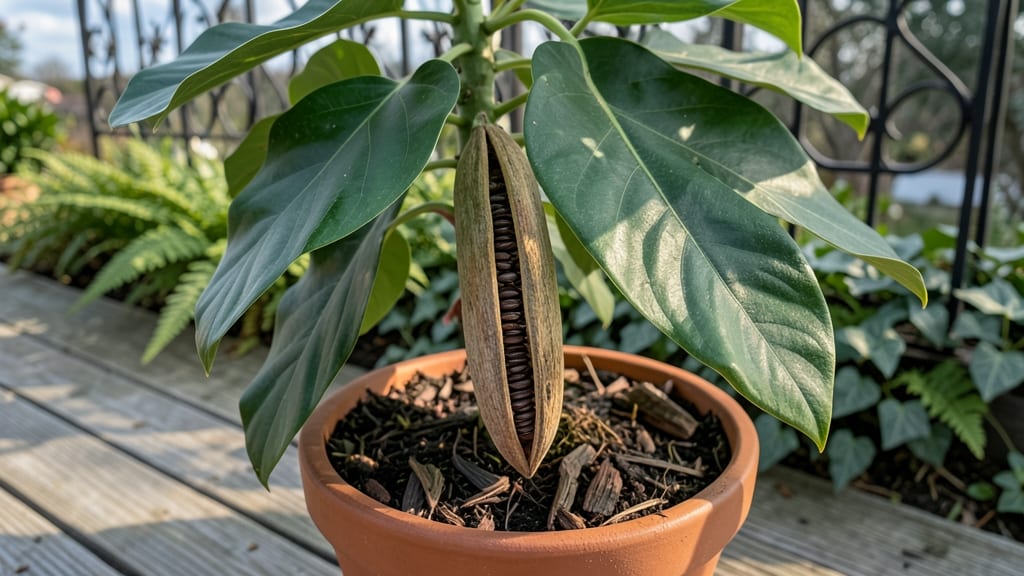
Cold-stratifying devil's trumpet seed pods guarantees those iconic trumpet-shaped blooms next spring. 🌱 I learned the hard way—skipping this step means waiting years for germination, if it happens at all. The pods themselves look like spiky lanterns, but inside hides the key to reliable growth.
Harvest mature pods when they turn brown and papery, then split them open to reveal the tiny black seeds. Store them in a sealed bag with a bit of damp sand in the fridge for 8-12 weeks—this mimics winter's chill and breaks dormancy.
Safety first: wear gloves, as all parts are toxic if ingested.
After stratification, sow seeds in well-draining soil, just barely covering them. Keep the soil warm and moist until sprouts appear in 2-4 weeks. These plants thrive in full sun and dry soil, making them perfect for low-maintenance borders.
Once established, devil's trumpets reward you with 5-foot-tall blooms that attract hummingbirds and moths. Just remember: keep them away from curious pets and kids. With cold-stratified seeds, you'll see flowers by late summer—no waiting around!
📚 In This Guide
- What you need
- Instructions
- Tips and common mistakes
- Wrapping up and next steps
What you need
- ● Devil’s trumpet seed pods: 10–20 fresh, mature pods (ensure they’re fully dried but still pliable).
- ● Plastic storage bag: 1 quart-sized, resealable bag (with a zipper lock).
- ● Moistened paper towels or peat moss: Enough to lightly cover the seeds (keep damp, not soggy!).
- ● Refrigerator or cold frame: A space that stays between 35–45°F (2–7°C) for 6–8 weeks.
- ● Potting soil: 1 small tray (6–8 inches deep) of well-draining, seed-starting mix.
- ● Spray bottle: For gentle watering to avoid disturbing seeds.
- ● Seed tray with drainage holes: To prevent root rot during germination.
- ● Humidity dome or plastic wrap: Keeps moisture levels steady post-stratification.
- ● Grow lights: If your space lacks natural light for seedlings.
- ● Label and marker: To track stratification dates and seed varieties.
Step-by-Step instructions for cold-stratifying devil's trumpet seed pods
Here’s the precise method I’ve used for years to break dormancy and ensure vigorous devil’s trumpet seedlings.
🌱 Step 1: Harvest and Prepare Mature Seed Pods
Collect fully mature seed pods when they turn brown and begin cracking open naturally—this usually occurs in late fall. Use clean, sharp scissors to snip the pods from the plant, leaving a short stem attached. Avoid pods that show signs of mold or insect damage, as these will fail to germinate.
Spread the pods on a paper towel to air-dry for 3-5 days in a well-ventilated area. This prevents rot during stratification. Once completely dry, store them in a labeled paper envelope or mesh bag—devil’s trumpet seeds are tiny and easy to lose if handled carelessly.
💧 Step 2: Moisten and Layer for Cold Stratification
Fill a quart-sized plastic freezer bag with 2 inches of moistened potting mix (not garden soil—it’s too dense). The mix should feel like a damp sponge, not dripping wet. Add the dried seed pods, spreading them evenly across the surface. Seal the bag, leaving a small gap for airflow.
Place the bag in the refrigerator’s crisping drawer (or a dedicated seed stratification bin if available). This maintains a steady 35-45°F temperature, ideal for breaking dormancy. Check weekly—if the mix dries out, mist lightly with water and reseal.
⏰ Step 3: Monitor and Test for Germination Readiness
After 8-12 weeks, remove the bag and inspect the pods. Look for slight swelling or tiny cracks—the seeds are ready to sprout. If no changes appear, extend stratification by 2-4 more weeks. Devil’s trumpet seeds are notoriously slow, so patience is key.
Once you see signs of activity, transfer the pods to a seed-starting tray filled with fresh potting mix. Press them ¼ inch deep into the soil, as they need darkness to germinate. Keep the tray in a warm, dark location (like a closet) until sprouts emerge—this can take 2-4 weeks.
☀️ Step 4: Provide Light and Care for Young Seedlings
Move the tray to a bright, indirect light source once the first true leaves appear (not the initial seed leaves). Devil’s trumpet seedlings are delicate—avoid direct sun, which scorches their tender foliage. Use a grow light if natural light is insufficient, keeping it 2-3 inches above the plants.
Water gently from below by placing the tray in ½ inch of water for 10 minutes, then draining excess. Overwatering causes damping-off, a fungal disease that kills seedlings overnight. Thin to the strongest 2-3 seedlings per pod once they reach 2 inches tall, using clean scissors to avoid disturbing roots.
🌿 Step 5: Harden Off Before Transplanting Outdoors
Two weeks before your last frost date, begin hardening off seedlings by placing them outdoors in a sheltered spot for 1-2 hours the first day. Gradually increase exposure over 10-14 days, ending with full sun. Devil’s trumpet thrives in partial shade, so avoid scorching by monitoring leaf color—yellowing indicates too much sun.
Transplant after all danger of frost has passed, spacing plants 3-4 feet apart to accommodate their eventual 6-foot height. Mulch with 2 inches of organic matter to retain moisture and regulate soil temperature. With proper stratification, your devil’s trumpet will bloom reliably next spring.
Tips & tricks for perfect devil's trumpet stratification
These pro-level strategies will help you maximize your devil's trumpet germination success without the guesswork.
Harvest Timing: The 3-5 day drying period in Step 1 is non-negotiable—this prevents mold during stratification. If you're in a humid climate, extend drying to 7 days. Store pods in a cool, dark place until ready to stratify, as exposure to light can reduce viability. I've found that pods harvested in early fall (before first frost) often yield higher germination rates than those collected later in the season.
Stratification Temperature: The 35-45°F range in Step 2 is critical, but not all refrigerators maintain this perfectly. If your fridge runs cooler (below 35°F), place the bag on a wire rack above the crisper drawer where it's slightly warmer. For warmer fridges (above 45°F), move the bag to the back where temperatures tend to be cooler. A simple refrigerator thermometer can help you monitor this precisely.
Germination Cues: In Step 3, when checking for swelling or tiny cracks, use a magnifying glass if needed—these signs can be subtle. I've seen pods that looked ready but didn't germinate until an extra 2 weeks of stratification. If you're impatient, you can carefully slice open a few pods to check for green embryos inside, which confirms they're ready to sprout.
Light Transition: The move to bright indirect light in Step 4 is where many growers fail. Use a grow light on a timer for 12-14 hours daily if natural light is insufficient. Position the light 2-3 inches above the seedlings and adjust as they grow. I've noticed that seedlings exposed to too much direct sunlight immediately turn yellow and crisp at the edges—this is their way of telling you they're getting sunburned.
Pro Tips for Devil'S Trumpet Seed Pod
- These pro-level strategies will help you maximize your devil's trumpet germination success without the guesswork.
- Harvest Timing: The 3-5 day drying period in Step 1 is non-negotiable—this prevents mold during stratification.
- Stratification Temperature: The 35-45°F range in Step 2 is critical, but not all refrigerators maintain this perfectly.
Frequently asked questions
Got questions about devil’s trumpet seed pods?
You’re not alone! Whether you’re a first-time gardener or a seasoned grower, these common queries cover the essentials—from timing to troubleshooting. Dive in for quick, practical answers to get your seeds ready for spring blooms.
How long does cold-stratification take for devil’s trumpet seed pods?
Cold-stratification typically requires 4–8 weeks in the fridge (34–40°F). Place moistened pods in a sealed container with damp peat moss or paper towels, then check them every 2 weeks. If they sprout, plant them immediately! For best results, err on the longer side—8 weeks mimics natural winter conditions and breaks dormancy more reliably.
Can I skip cold-stratification and plant devil’s trumpet seeds right away?
While possible, skipping stratification often leads to poor germination or delayed blooms. These seeds rely on winter’s chill to break dormancy. If you’re impatient, try scarification (lightly nicking the seed coat with sandpaper) or soak them in warm water for 24 hours before planting. However, cold-stratification remains the gold standard for consistent results.
What’s the best way to store devil’s trumpet seed pods before stratifying?
Store pods in a cool, dry place (like a paper bag in the fridge) until ready to stratify. Avoid plastic bags to prevent mold—moisture is key during stratification, not storage. Label them with the harvest date, as freshness impacts germination. If pods dry out completely, soak them in water for 12–24 hours before starting the cold process.
Are there alternatives to cold-stratification for devil’s trumpet seeds?
Yes! If you lack fridge space, try:
- Outdoor winter sowing: Plant pods in unheated containers outdoors in fall (they’ll self-stratify).
- Heat stratification: Place pods in a warm (70–80°F) spot for 2 weeks, then refrigerate for 4 weeks.
- Smoke treatment: Expose seeds to cold smoke (from a smoldering wood chip) for 2–3 days to mimic natural fire cues.
Cold-stratification still works best, but these methods can help in a pinch!
My devil’s trumpet seeds sprouted too early—what now?
If seeds sprout during stratification, don’t panic! Plant them immediately in moist potting mix under grow lights or in a sunny windowsill. Keep soil consistently damp (not soggy) and maintain warmth (70°F+). If they’re still small, transplant carefully once true leaves appear. Early sprouts are a sign of success—just act fast to avoid leggy seedlings!
Wrapping up and next steps
The devil’s trumpet seed pod holds the key to vibrant blooms next spring—when you master cold-stratification! 🌱 By following these steps, you’re not just preparing seeds; you’re setting the stage for a stunning garden transformation.
Whether you’re a seasoned gardener or just starting, this method ensures higher germination rates and healthier plants.
Now that you’re armed with the know-how, take the next step: gather your supplies, mark your calendar, and start your devil’s trumpet seeds on their chilly journey.
Before you know it, you’ll be rewarded with show-stopping trumpet-shaped flowers that’ll make your garden the talk of the neighborhood. Happy gardening! 🌸