
Size
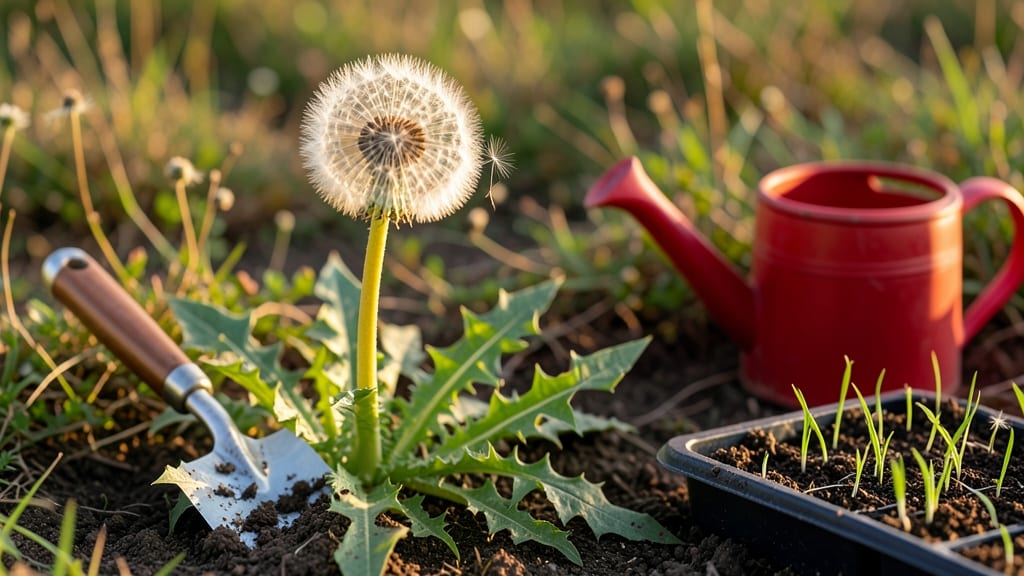
Growing a pollinator haven from a dandelion seed garden proves you don't need fancy flowers to make a difference. 🌱 These golden blooms arrive in just 60 days, turning bare spots into buzzing ecosystems for bees, butterflies, and beneficial insects.
I planted mine last spring after years of pulling them—now my yard hums with life by early summer. The secret lies in their simplicity: dandelions thrive in poor soil, need almost no maintenance, and spread effortlessly. You'll start with a handful of seeds, a sunny patch, and basic watering.
No tilling, no fertilizing—just let them grow. Their deep roots break up compacted soil, making room for other plants later. By late spring, you'll have a sea of bright yellow flowers that never quit. Bees adore them, and you can harvest the petals for tea or the roots for coffee.
The only "weed" that actually helps your garden? These tenacious little pioneers. Perfect for lazy gardeners, pollinator advocates, or anyone tired of fighting nature. Here's how to let them work for you instead of against you.
📚 In This Guide
- What you need
- Instructions
- Tips and common mistakes
- Wrapping up and next steps
What you need
- ● Dandelion seeds: 1–2 packets (or collect seeds from wild dandelions—free and easy! 🌼). Aim for 50–100 seeds per square foot for a lush patch.
- ● Garden soil: 1–2 cubic yards (or 1–2 bags of well-draining potting mix if container gardening). Test soil pH—dandelions thrive in slightly acidic to neutral (6.0–7.0).
- ● Watering can or hose: With a gentle spray nozzle (dandelions hate soggy roots!).
- ○ Gloves (optional): To protect hands from prickly seed heads or soil.
- ○ Garden twine or stakes (optional): For marking rows if planting in a structured layout.
- ● Compost or fertilizer: A handful of balanced 10-10-10 or fish emulsion at planting time for extra vigor.
- ● Mulch (straw or shredded leaves): 1–2 inches to retain moisture and suppress weeds.
- ● Bird netting (if needed): Lightweight mesh to protect seeds from birds until germination.
- ● Notebook or app: To track planting dates, rainfall, and blooms (because dandelions are fast growers!).
How to create a pollinator haven with dandelion seeds in 60 days
Dandelions aren’t weeds—they’re nature’s first pollinator buffet. Here’s how to turn a patch of seeds into a thriving haven for bees, butterflies, and birds.
🌱 Step 1: Collect and Prepare Your Dandelion Seeds
Harvest seeds when the puffballs turn golden-brown and dry, usually in mid-to-late summer. Hold the seed head upside down over a brown paper bag and give it a gentle shake—seeds will rain down like confetti. Avoid damp days; moisture makes them stick to the bag instead of falling free.
Once collected, store seeds in a cool, dry place until planting. A paper envelope works fine—just label it with the year. If you’re impatient, you can plant them fresh, but they’ll need a light frost to break dormancy for best results.
☀️ Step 2: Choose and Prepare Your Planting Site
Dandelions thrive in full sun to partial shade, so pick a spot that gets at least 4-6 hours of sunlight daily. They’re tough enough to grow in poor soil, but they’ll reward you with more blooms if you loosen the top 6 inches of soil with a garden fork. Remove any weeds or grass—competition slows their early growth.
If your soil is heavy clay or sandy, mix in a 2-inch layer of compost before planting. This gives roots a head start and encourages those iconic bright yellow flowers. Avoid fertilizing—dandelions hate rich soil and will focus on leaves instead of blooms.
💧 Step 3: Scatter Seeds and Water Lightly
Sprinkle seeds thinly across the prepared area—no need to bury them. Dandelion seeds are light and need sunlight to germinate. Aim for 10-15 seeds per square foot—they’ll self-thin naturally as they grow. Lightly rake the soil to press seeds into the surface, but don’t cover them.
Water gently with a spray nozzle until the soil is moist but not soggy. Overwatering can cause seeds to rot before they sprout. After the first watering, let nature take over—dandelions are drought-tolerant once established. You’ll see tiny green leaves in 7-14 days, depending on temperature.
⏰ Step 4: Let Nature Do the Work (Minimal Maintenance)
Dandelions need almost no care after germination. They’ll grow 2-3 inches per week in ideal conditions, reaching full height (12-24 inches) in about 60 days. The key is patience—let them establish roots before worrying about blooms.
If weeds pop up, pull them when they’re small—dandelions can’t compete with established weeds. Once flowers appear, resist the urge to deadhead. Those blooms feed pollinators, and the seeds will spread naturally to fill in gaps. By late summer, you’ll have a golden sea of flowers.
🌿 Step 5: Enjoy Your Pollinator Paradise
By 60 days, your patch should be buzzing with bees, butterflies, and even hummingbirds. Dandelions are one of the first sources of nectar in spring, making them essential for early pollinators. Leave some flowers to go to seed—birds like goldfinches will feast on the seeds in winter.
To keep the cycle going, let a few plants mature and scatter seeds for next year. Over time, your patch will expand naturally, creating a low-maintenance ecosystem. The best part? You’ve turned "weeds" into a thriving garden with almost no effort.
Tips & tricks for perfect dandelion seed gardens
Turn those "weeds" into a thriving pollinator haven with these simple but game-changing strategies.
Timing is Everything: The golden-brown puffballs are your cue for harvesting seeds—waiting too long means the seeds will scatter naturally. I've learned this the hard way after watching entire patches disappear overnight! Harvest on dry, windless days for the easiest collection. If you're impatient to plant, just remember those seeds need a light frost to break dormancy for best results.
Sunlight Strategy: Dandelions thrive in full sun to partial shade, but here's the secret: morning sun is ideal. The cooler afternoon temperatures prevent stress on young plants. If your spot gets intense afternoon heat, consider partial shade—especially in hot climates. The 4-6 hours of sunlight mentioned in Step 2 should be spread throughout the day for best growth.
Soil Secrets: That 2-inch layer of compost I mentioned? Don't skimp on quality. Well-aged compost gives roots the nutrients they need without encouraging leafy growth over flowers. I've found that mixing in a handful of sand helps with drainage in clay-heavy soils, while coconut coir works well for sandy soils. The key is creating a loose, well-draining environment that mimics their natural habitat.
Watering Wisdom: After your initial gentle watering, let nature take over—dandelions are incredibly drought-tolerant once established. The 7-14 day germination window gives you a chance to observe. If you notice the soil drying out completely between waterings, that's actually a good sign—it means your plants are developing strong root systems. Just be careful not to let them wilt completely during germination.
Pro Tips for Dandelion Seed Grow A Garden
- Turn those "weeds" into a thriving pollinator haven with these simple but game-changing strategies.
- Timing is Everything: The golden-brown puffballs are your cue for harvesting seeds—waiting too long means the seeds will scatter naturally.
- Sunlight Strategy: Dandelions thrive in full sun to partial shade, but here's the secret: morning sun is ideal.
Frequently asked questions
Got questions about growing a dandelion seed garden?
You’re not alone! Here are answers to the most common queries—so you can dive in with confidence.
Can I grow dandelions from store-bought seeds, or do I need wild ones?
Store-bought dandelion seeds (like Taraxacum officinale) work perfectly! Wild seeds are free but may vary in color or hardiness. Just ensure they’re organic and untreated for best results. Pro tip: Look for seed blends labeled “pollinator-friendly” for extra benefits.
How long does it take for dandelion seeds to sprout after planting?
Dandelion seeds typically sprout in 7–14 days in warm, moist soil (60–75°F). Keep the soil lightly damp but not soggy—overwatering can delay germination. If you’re in a cooler climate, consider starting seeds indoors 4–6 weeks before your last frost date.
Will dandelions attract pests like aphids or other garden nuisances?
Dandelions are low-maintenance and rarely host serious pests. However, aphids might visit—usually harmless unless they spread to other plants. Encourage ladybugs and lacewings (natural predators) by planting nearby herbs like dill or fennel. A quick spray of soapy water can deter them if needed.
Are there non-invasive dandelion varieties I can grow?
Yes! Opt for double-flowered dandelions (like ‘White Swan’ or ‘Red Dragon’), which produce fewer seeds and focus on blooms. These are sterile hybrids, meaning they won’t spread aggressively. Just deadhead spent blooms to prevent accidental seed dispersal.
What’s the best time of year to plant dandelion seeds?
Plant seeds in early spring or late summer for ideal germination. Dandelions thrive in cool weather but tolerate light frost. Avoid planting in peak summer heat—soil can dry out too quickly. For a year-round display, stagger plantings every 4–6 weeks.
Can I grow dandelions in containers or small spaces?
Dandelions adapt well to containers (10"+ depth), window boxes, or even cracks in pavement. Use well-draining soil and place in full sun. Just monitor watering—containers dry out faster. Bonus: Container-grown dandelions make stunning vertical gardens!
Wrapping up and next steps
Growing a thriving pollinator haven from dandelion seeds is easier—and more rewarding—than you might think! 🌼 With just a little patience and minimal effort, you’ll create a vibrant garden that supports bees, butterflies, and other beneficial insects in just 60 days.
The best part? You’re not just beautifying your space—you’re nurturing a tiny ecosystem that’s essential for our planet’s health.
Ready to take the next step? Start by planting your seeds this weekend—whether in a sunny patch of your yard, a balcony container, or even a crack in the sidewalk.
Then, sit back and enjoy the magic of nature unfolding right before your eyes. Your garden (and the pollinators!) will thank you.