
Lawn
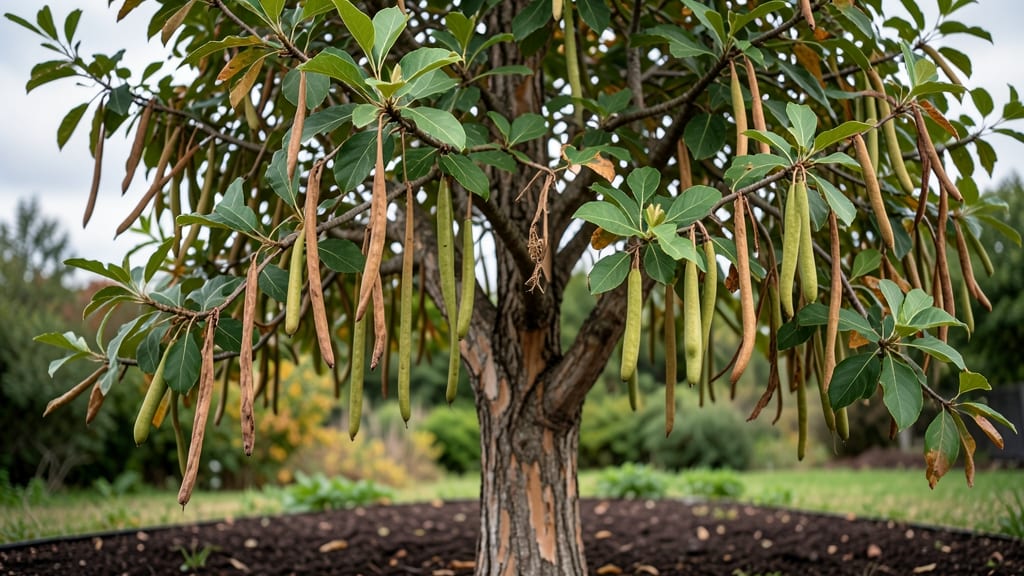
Crepe myrtle seed pods turn your yard into a natural treasure chest. 🌿 Those papery, brown pods that appear after blooms are packed with tiny seeds that can grow into stunning trees—but only if you handle them right.
I’ve learned the hard way that timing and technique make all the difference between success and wasted effort.
Harvest pods when they’re dry and starting to split open, usually in late fall or early winter. Spread them in a dry, well-ventilated spot to finish drying before storing in a cool, dark place.
The key? Cold stratification—mimicking winter’s chill—to break seed dormancy and boost germination rates. Without this step, many seeds simply won’t sprout.
With patience, you’ll see tiny seedlings emerge in 4-8 weeks, each with the potential to grow into a tree that blooms for years. The process isn’t just rewarding—it’s a way to grow crepe myrtles tailored to your climate, often with better disease resistance than nursery plants.
Even if some seeds fail to germinate, don’t get discouraged. Viability drops over time, so fresh pods yield the best results. Store them properly, and you’ll have a backup stash for years. Here’s how to make it work—step by step.
📚 In This Guide
- What you need
- Instructions
- Tips and common mistakes
- Wrapping up and next steps
What you need
- ● Mature crepe myrtle seed pods: Collect only fully brown, dried pods (typically in late fall/winter). Aim for at least 10-15 pods for reliable germination.
- ● Pruning shears or sharp scissors: For cleanly harvesting pods without damaging the tree.
- ● Paper bags or breathable mesh bags: 2-3 medium-sized bags (10–15 gallons) to store pods while drying.
- ● Plastic zip-top bags or airtight containers: For cold stratification (quart-sized bags work well).
- ● Refrigerator or cold stratification setup: A consistent 35–45°F (2–7°C) space (e.g., fridge crisper drawer).
- ○ Moist paper towels or vermiculite: To lightly dampen seeds before stratification (optional but recommended).
- ● Permanent marker or labels: To mark bags with harvest dates.
- ● Gloves: Protect your hands from sticky sap or thorns.
- ● Seed tray or small pots: For sowing stratified seeds (if not direct-sowing).
- ○ Heating mat (optional): For post-stratification germination (70–75°F ideal).
- ● Notebook: Track stratification progress and germination dates.
Step-by-step guide to harvesting and processing crepe myrtle seed pods
Here's how to turn those late-summer pods into viable seeds for next year's garden.
🌿 Step 1: Identify and Harvest Mature Seed Pods
Wait until pods turn brown and papery—usually late September to October—before harvesting. The pods should open easily when gently squeezed, revealing flat, brown seeds inside. I like to harvest on a dry morning after the dew has evaporated; this prevents moisture from sticking to the pods and encourages faster drying.
Use clean, sharp pruning shears to cut entire seed clusters from the tree. Don't pull pods off by hand—this can damage the branches and leave seeds behind. Place harvested pods in a paper bag (not plastic) to allow airflow while you process them. Real talk: if you harvest too early, the seeds won't be fully mature and may not germinate.
🪴 Step 2: Dry and Extract the Seeds
Spread the harvested pods in a single layer on a screen or mesh tray in a warm, dry, shaded area for 7-10 days. Avoid direct sunlight, which can cause the pods to overheat and crack prematurely. Stir them gently every 2-3 days to ensure even drying. You'll know they're ready when the pods crumble easily between your fingers and the seeds rattle inside.
Once dry, place the pods in a clean pillowcase and shake vigorously to release the seeds. The flat, brown seeds will separate from the chaff. Sift the mixture through a fine-mesh sieve to remove any remaining pod fragments. Store the clean seeds in a paper envelope in a cool, dry place until stratification.
⏰ Step 3: Cold Stratify for Germination Success
Crepe myrtle seeds need 60-90 days of cold stratification to break dormancy. Place the seeds in a ziplock bag with a damp paper towel (not soaking wet—just enough to feel slightly moist). Seal the bag, label it with the date, and refrigerate it at 34-40°F. Check the bag every 2 weeks and mist the paper towel if it feels dry to the touch.
This is the moment that matters: after 90 days, remove the seeds from the fridge and let them sit at room temperature for 24 hours before sowing. You'll see the seeds begin to plump slightly and lose their hard outer coating—this is your signal that stratification worked. If you skip this step, germination rates drop dramatically, and seeds may take months (or never) to sprout.
🌱 Step 4: Sow Stratified Seeds Indoors
Fill small seed trays with a light, well-draining seed-starting mix and moisten it until damp but not soggy. Plant the seeds ¼ inch deep, spacing them 1 inch apart in rows. Press them lightly into the soil—don't bury them too deep, or they won't have enough energy to push through. Cover the tray with a clear plastic dome or plastic wrap to retain humidity and place it in a warm spot (70-75°F).
Keep the soil evenly moist (not wet) by misting the dome occasionally. Germination can take 2-4 weeks, so be patient. Once seedlings emerge, remove the dome immediately to prevent fungal issues. You'll notice the first true leaves appear 2-3 weeks after germination—this is when you can start fertilizing lightly with a balanced liquid fertilizer diluted to half strength.
Tips & tricks for perfect crepe myrtle seed processing
These little details make all the difference between seeds that sprout and seeds that disappoint.
Harvest Timing: The pods must be fully brown and papery—this usually happens in late September or October, depending on your climate. I learned this the hard way after harvesting too early and getting seeds that refused to germinate. Test a few pods by gently squeezing them; if they open easily and reveal flat brown seeds, they're ready. Harvest on a dry morning to prevent moisture buildup in the paper bags.
Drying Strategy: Spread the pods in a single layer on a mesh tray in a warm, shaded spot for 7-10 days. I place mine on a covered porch where they get morning sun but afternoon shade—this prevents overheating while still allowing airflow. Stir them every 2-3 days to ensure even drying. When the pods crumble easily and seeds rattle inside, they're ready for extraction. Avoid direct sunlight, which can cause the pods to crack prematurely.
Stratification Success: The 60-90 day cold stratification is non-negotiable for crepe myrtle seeds. Place them in a ziplock bag with a damp (not wet) paper towel at 34-40°F. I use the crisper drawer of my fridge for consistent temperatures. After 90 days, let them sit at room temperature for 24 hours before sowing—this final step triggers the seeds to plump up and lose their hard outer coating, signaling they're ready to germinate.
Pro Tips for Crepe Myrtle Seed Pods
- These little details make all the difference between seeds that sprout and seeds that disappoint.
- Harvest Timing: The pods must be fully brown and papery—this usually happens in late September or October, depending on your climate.
- Drying Strategy: Spread the pods in a single layer on a mesh tray in a warm, shaded spot for 7-10 days.
Frequently asked questions
Got questions about crepe myrtle seed pods? You’re not alone!
Here are answers to the most common queries to help you navigate harvesting, drying, and cold stratification like a pro.
When should I harvest crepe myrtle seed pods?
Harvest seed pods when they turn brown and papery (late fall to early winter). Avoid harvesting too early—they won’t dry properly, and too late means they may split open and scatter seeds. Aim for late November to December in most climates for best results.
How long does it take to dry crepe myrtle seed pods?
Drying takes 2–4 weeks in a well-ventilated, dry space (like a garage or shed). Spread pods in a single layer on newspaper or mesh screens, flipping them occasionally. Pro tip: Use a fan to speed up the process if humidity is high!
What’s the cold stratification timeline for crepe myrtle seeds?
Cold stratification lasts 60–90 days in the fridge (35–40°F). Place moistened seeds in a sealed bag with damp peat moss or paper towels, then store. Check monthly for mold—discard if you see it. Pro tip: Label bags with the date to track progress!
Can I plant crepe myrtle seeds directly in the ground?
No—direct sowing rarely works because seeds need cold stratification to break dormancy. Start indoors in pots after stratification, then transplant seedlings outdoors in spring after the last frost. Alternative: Buy young trees for faster growth!
Why aren’t my crepe myrtle seeds germinating?
Common culprits:
- Insufficient stratification (try 90 days instead of 60).
- Poor moisture control (keep soil damp but not soggy).
- Old or spoiled seeds (discard if >2 years old).
- Temperature fluctuations (keep warm after stratification, ~70°F).
If issues persist, test viability by soaking seeds in water—floaters are likely dead.
Wrapping up and next steps
Harvesting crepe myrtle seed pods is a rewarding way to propagate these stunning trees—and with the right steps, you’ll have thriving seedlings in no time! 🌱 Whether you’re drying them properly, cold-stratifying for germination, or troubleshooting common issues, each stage brings you closer to success.
Now that you’re equipped with the know-how, why not give it a try?
Start by gathering a few pods from your yard (or a trusted source) and follow the timeline to nurture them into new plants. Happy gardening—and enjoy the beauty of crepe myrtles growing from your own seeds! 🌿