
Planting
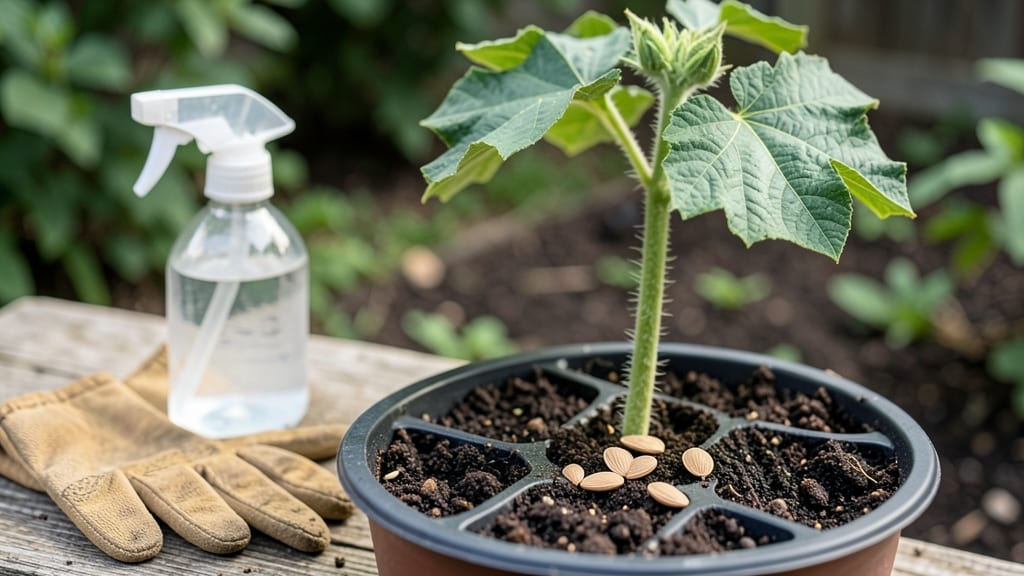
Sowing cotton seeds at the right temperature makes all the difference—your germination rates will skyrocket when you nail the timing and conditions. 🌱 I learned this the hard way after watching seeds rot in damp, cool soil last spring.
Cotton thrives in warm soil, so patience is key: wait until the ground reaches 70-75°F before planting, even if it means delaying until late spring in cooler zones.
The secret isn’t just warmth—it’s precision. Plant seeds ½ inch deep in loose, well-draining soil, spacing them 12-18 inches apart (closer for bush varieties). A light covering of mulch keeps moisture steady without smothering the seeds.
Most seeds sprout within 7-14 days if conditions are right, but consistency in watering is your best friend—never let the soil dry out completely.
Once those first pale green leaves appear, you’ll know you’re on the right track. Seedlings need full sun (6+ hours daily) and protection from wind until they’re sturdy enough to handle it.
Thin weaker plants early to avoid competition, and watch for aphids—they love tender cotton leaves. With the right start, you’ll be harvesting fluffy bolls by midsummer.
This method works for both home gardeners and small-scale growers, though larger plots may need adjusted spacing. Whether you’re growing upland cotton for fiber or just experimenting with this curious plant, the key is warm soil, patience, and precise care. Let’s get those seeds in the ground!
📚 In This Guide
- What you need
- Instructions
- Tips and common mistakes
- Wrapping up and next steps
What you need
- ● Cotton Seeds: High-quality, certified seeds (e.g., Gossypium hirsutum or Gossypium barbadense). Aim for 20–30 lbs per acre (adjust based on variety and soil conditions).
- ● Seed Drill or Planter: Precision planter with adjustable row spacing (typically 36–40 inches apart). Ensure it has a depth control mechanism (1–1.5 inches) and furrow opener for optimal seed placement.
- ● Fertilizer: Starter Fertilizer: 10-10-10 or 12-12-12 NPK (50–100 lbs per acre) for quick nutrient uptake.
- ● Soil Amendment: Lime (if soil pH 4–6 weeks before planting!
- ● Soil Testing Kit: pH meter or lab kit to check pH (6.0–7.5 ideal) and nutrient levels.
- ● Irrigation System: Drip tape or overhead sprinklers (ensure 1–1.5 inches of water per week post-planting).
- ● Herbicide (Pre-Emergent): Glyphosate or pendimethalin (apply 1–2 weeks before sowing for weed control).
- ○ Markers/Flags: Biodegradable or wooden stakes to mark rows (optional but helpful for large fields).
- ● Seed Treatments: Fungicides (e.g., thiabendazole) or insecticides (e.g., imidacloprid) to protect against soil-borne diseases and pests.
- ● Soil Conditioners: Compost or biochar to improve drainage in heavy soils.
- ● GPS-Guided Planter: For large-scale farming to ensure uniform row spacing and efficiency.
- ● Weather Monitoring App: Track rainfall and temperature to adjust planting timing.
Precision techniques for sowing cotton seeds indoors
Cotton thrives when you treat it like the delicate tropical it is—here's how to maximize those first critical sprouts.
🌱 Step 1: Prepare Containers and Sterile Growing Medium
Use 4-inch deep pots filled with a sterile seed-starting mix that drains freely but retains moisture. I avoid garden soil entirely—it compacts too easily and can harbor pathogens that cotton seedlings resist poorly. Mix in 20% perlite to improve aeration, which cotton roots crave. Moisten the mix until it feels like a damp sponge, not a dripping wet rag.
Tap the container gently on the table to settle the soil without compacting it. The goal is a fine, fluffy texture where cotton's delicate roots can push through without resistance. Here's the thing—cotton seeds germinate best when the soil temperature stays between 75-85°F. If your home runs cooler, place the pots on a seedling heat mat to maintain that warmth.
🌱 Step 2: Sow Seeds at Optimal Depth and Spacing
Plant 1-2 seeds per pot at a depth of ½ inch—any deeper and they'll struggle to reach the surface. Cotton seeds have a thick outer coating that slows germination, so I like to soak them overnight in lukewarm water before planting. This softens the shell and gives you a head start. Place the seeds 1 inch apart if sowing multiple in a larger tray.
Cover lightly with additional mix, but don't bury them too deep. You'll see the first true leaves emerge within 7-14 days, but only if the seeds stay warm and moist. Mist the surface gently after planting—cotton seeds need consistent moisture but hate soggy conditions. The soil should feel damp to the touch, like a wrung-out sponge.
💧 Step 3: Maintain Ideal Humidity and Light Conditions
Cover the pots with a clear humidity dome or plastic wrap to trap warmth and moisture. Cotton seeds need 80-90% humidity to germinate successfully. Check daily but don't remove the cover until you see 50% germination. Once sprouts appear, uncover immediately—excess moisture around new seedlings invites damping-off, a fungal disease that collapses stems overnight.
Position the pots under grow lights 2-3 inches above the seedlings for 14-16 hours daily. Natural light rarely provides enough intensity, and cotton seedlings stretch desperately toward weak light. You'll know your setup is right when the seedlings grow compact and dark green, not leggy and pale. Rotate the pots weekly so all sides receive even light exposure.
✂️ Step 4: Thin Seedlings and Harden Off Gradually
When seedlings reach 2 inches tall and show their first true leaves, thin to the strongest plant per pot. Use sharp scissors to snip the weaker stem at soil level—never pull, or you'll disturb the roots of the remaining plant. This might seem harsh, but crowded cotton seedlings compete for nutrients and grow weak. The stronger plant will reward you with a thicker stem and more vigorous growth.
Two weeks before your last frost date, begin hardening off the seedlings. Start with 1-2 hours outside in partial shade, then gradually increase exposure over 10-14 days. Watch for wilting—the classic sign they're not ready. If leaves droop but perk up after a few hours, they're adjusting. Hardened-off cotton seedlings will transplant with minimal shock and resume growth immediately.
🌿 Step 5: Transplant with Care for Long-Term Success
Choose a sunny spot with full sun exposure (6+ hours daily) for your cotton plants. The soil should be well-draining but moisture-retentive—cotton roots can't handle waterlogged conditions. Dig holes slightly larger than the root ball and place the seedlings in at the same depth they were growing in pots. Firm the soil gently around the base to eliminate air pockets.
Water deeply at the base immediately after transplanting. You'll know you've done it right when the soil feels moist 6 inches down. Avoid overhead watering for the first week—wet foliage invites fungal diseases. Mulch around the base with 1-2 inches of organic mulch** to retain moisture and suppress weeds. This is the moment that matters: proper transplanting sets the stage for strong, disease-resistant plants.
Tips & tricks for perfect cotton seed germination
These precision planting strategies will help you maximize those first critical sprouts and set your cotton seedlings up for success.
Soil Temperature Control: The 75-85°F soil temperature range is non-negotiable for cotton seeds—this is where their delicate metabolic processes activate properly. I've learned the hard way that even a 5°F drop below 75°F can delay germination by a week or more. If your home runs cooler, invest in a seedling heat mat ($15-20) or place pots on top of your refrigerator (the heat from the compressor creates perfect conditions). Pro tip: Test your soil temperature with a small thermometer before planting to avoid surprises.
Seed Pre-Treatment: That overnight soak in lukewarm water isn't just optional—it's your secret weapon against the thick seed coat that naturally resists moisture. I've seen germination rates jump from 60% to 90% just by doing this simple step. Use water that's warm but not hot (around 85°F), and soak for exactly 12 hours. After soaking, pat the seeds dry with a paper towel before planting to prevent fungal issues. This pre-treatment mimics the tropical conditions cotton seeds evolved in.
Humidity Management: The 80-90% humidity requirement is where most beginners fail. I recommend using a clear plastic dome or even a ziplock bag with holes punched in it—this creates the perfect microclimate. Here's what I've noticed: if condensation forms on the inside of the dome but disappears within 30 minutes, your humidity levels are perfect. If it stays foggy all day, you're overdoing it and risk damping-off. Remove the cover immediately when you see 50% germination—this prevents the fungal disease that can wipe out seedlings overnight.
Lighting Strategy: Those 14-16 hours of daily light under grow lights are crucial, but placement matters just as much as duration. Position your lights 2-3 inches above the seedlings—any closer and you'll scorch them, any farther and they'll stretch. I've found that cotton seedlings actually tell you when they're happy: they grow compact with dark green leaves. If they start looking pale and leggy, you're either not giving them enough light or they're too far away. Rotate your pots weekly so all sides get equal exposure—this prevents uneven growth that can stress the plants.
Pro Tips for Cotton Seed Sowing
- These precision planting strategies will help you maximize those first critical sprouts and set your cotton seedlings up for success.
- Soil Temperature Control: The 75-85°F soil temperature range is non-negotiable for cotton seeds—this is where their delicate metabolic processes activate properly.
- Seed Pre-Treatment: That overnight soak in lukewarm water isn't just optional—it's your secret weapon against the thick seed coat that naturally resists moisture.
Frequently asked questions
Got questions about cotton seed sowing?
You’re not alone! Here are some of the most common queries farmers and gardeners ask to ensure successful planting and high germination rates.
When is the best time to sow cotton seeds for optimal germination?
The ideal time depends on your climate, but most cotton varieties thrive when sown after the last frost, once soil temperatures reach 60–65°F (15–18°C). In warmer regions, this could be as early as March–April, while cooler zones may wait until May–June. Always check your local frost dates and seed packet guidelines!
How deep should I plant cotton seeds for the best results?
Cotton seeds should be planted 1–1.5 inches deep in loose, well-drained soil. Planting too shallow can lead to drying out, while burying them too deep may hinder germination. Use a seed drill or spacing tool to maintain consistency, especially in large fields.
Can I reuse cotton seed from last year, or do I need fresh seeds?
For best germination rates, use fresh cotton seeds (preferably from the current or previous season). Stored seeds lose viability over time—aim for 90%+ germination when purchasing. If reusing, test a few seeds in a damp paper towel to check viability before planting.
What’s the best spacing for cotton seeds to avoid overcrowding?
Spacing depends on the variety, but a general rule is 3–4 feet between plants in rows spaced 3–4 feet apart. Wider spacing improves airflow, reducing disease risk, while closer planting may work for dwarf varieties. Always follow the seed packet’s recommendations!
Why aren’t my cotton seeds germinating? Troubleshooting tips.
Low germination can stem from poor soil moisture, incorrect depth, temperature fluctuations, or seed age. Start by ensuring consistent moisture (keep soil damp, not soggy). Check seed viability, and avoid planting in cold or waterlogged soil. If issues persist, test pH levels—cotton prefers 6.0–7.5.
Are there alternatives to traditional cotton seeds for sowing?
Yes! Some farmers use pelleted cotton seeds for easier handling and uniform planting. Others opt for transplants in controlled environments before field transfer. For organic growers, biologically treated seeds can improve disease resistance without chemicals.
Wrapping up and next steps
Mastering cotton seed sowing is your gateway to a thriving crop—with the right prep, spacing, and timing, you’re already setting yourself up for success! 🌱 From selecting high-quality seeds to optimizing soil conditions, every step counts toward those maximum germination rates you’re aiming for.
Now that you’re armed with the know-how, why not take the next step?
🚀 Ready to Plant?
- Mark your calendar for the ideal sowing window in your region.
- Gather your tools and test soil moisture one last time.
- Plant with confidence—your future harvest depends on it!