
Lawn
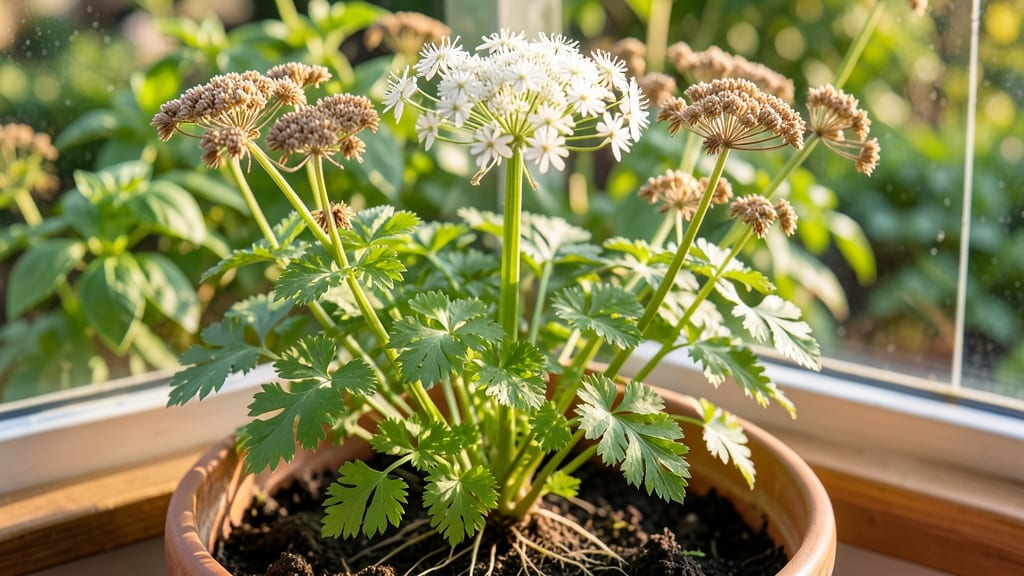
Growing coriander from seed to cilantro plant is like unlocking a dual-purpose herb garden—one that gives you fresh leaves for salsa and fragrant seeds for spice blends. 🌱 The secret to success lies in timing, soil, and a little patience, because this fast-growing annual delivers both culinary treasures in just 60 days if you do it right.
You'll need a sunny spot with at least 6 hours of light daily, well-draining soil rich in organic matter, and consistent moisture (think damp, not soggy). The trick is to sow seeds directly where you want them to grow—coriander hates being transplanted—and keep them spaced about 6 inches apart.
Once they sprout in 7-14 days, you'll have lush cilantro leaves ready for harvesting in just 3-4 weeks.
Here's where it gets interesting: when your cilantro starts flowering, those white umbels signal the transition to coriander seeds. Let some plants bolt to harvest seeds for spice blends, but cut others back to encourage more leaf growth.
The first harvest of seeds happens about 60 days after planting, and you'll get two crops in one season—herb leaves and aromatic seeds.
Common challenges include bolting (when plants flower too quickly) and pests like aphids, but with the right care, you'll end up with a productive plant that rewards you with both fresh cilantro and dried coriander seeds.
Perfect for home gardeners and culinary enthusiasts alike, this is a must-try for any herb garden.
📚 In This Guide
- What you need
- Instructions
- Tips and common mistakes
- Wrapping up and next steps
What you need
- ● Coriander seeds (organic preferred) – 1 packet (~1 oz or 30g) for a small garden or 3-5 packets for a larger harvest.
- ● Containers or garden bed – 6-inch pots (for indoor/container gardening) or a well-draining soil bed (for outdoor planting).
- ● Potting mix or garden soil – Lightweight, well-draining mix (add perlite or sand if needed).
- ● Watering can or spray bottle – For gentle, consistent hydration.
- ● Sunlight access – 6+ hours of direct sunlight daily (south-facing windows or outdoor space).
- ○ Fertilizer (optional but helpful) – Balanced liquid fertilizer (10-10-10) or compost tea for nutrient boost.
- ● Seedling heat mat – Speeds up germination in cooler climates.
- ● Garden twine or stakes – Supports taller plants as they grow.
- ● Pruning shears – Encourages bushier growth by trimming stems.
- ● Shade cloth – Protects seedlings from intense midday sun in hot climates.
Step-by-step instructions for growing coriander from seed to cilantro
Ready to transform coriander seeds into fresh cilantro? Here’s how to grow it from scratch in just 60 days.
🌱 Step 1: Start Seeds Indoors for Early Growth
Fill small seedling trays with 1 inch of moist potting mix—coriander seeds need loose, well-draining soil to avoid rot. Press seeds ¼ inch deep (about twice their size) and space them 1 inch apart to prevent overcrowding. A gentle misting keeps the soil damp but not soggy.
Place the tray in a warm spot at 65-75°F—a sunny windowsill or under a grow light works. Seeds germinate in 7-14 days, but don’t rush watering. Keep the soil consistently moist until you see the first true leaves (not the initial seed leaves).
☀️ Step 2: Transplant Seedlings Outdoors After True Leaves Appear
Once seedlings have 2-3 true leaves, transplant them into the garden 2-3 weeks before the last frost. Choose a spot with partial shade—full sun causes cilantro to bolt prematurely. Space plants 6-8 inches apart in well-draining soil enriched with compost.
Water lightly after transplanting to settle the roots, but avoid soaking the soil. Coriander thrives in cooler weather, so if temperatures climb above 80°F, provide afternoon shade to delay bolting. You’ll know it’s happy when leaves grow lush and aromatic.
💧 Step 3: Maintain Moisture and Harvest Regularly
Keep the soil evenly moist—coriander wilts quickly in dry conditions. Water at the base in the morning to prevent fungal issues, and avoid wetting the leaves. Fertilize lightly with a balanced organic fertilizer every 3-4 weeks to encourage steady growth.
Harvest leaves when they reach 3-4 inches tall by snipping stems just above a leaf node. This encourages bushier growth. If flowers appear, snip them immediately—they signal the plant is bolting and flavor declines. With consistent care, you’ll get 4-6 harvests before the plant goes to seed.
⏰ Step 4: Save Seeds for Next Season (Optional)
If you want to collect coriander seeds, let some plants bolt and flower. The delicate white umbels turn into dry seed heads. Once seeds turn brown and rattle when shaken, cut the stems and hang them in a paper bag to dry. Store seeds in a cool, dark place for up to 2 years.
Here’s the thing—if you harvest leaves before bolting, you won’t get seeds. But if you let a few plants go to seed, you’ll have fresh cilantro and coriander spices for next year. It’s a win-win!
Tips & tricks for perfect coriander to cilantro growth
Transforming coriander seeds into fresh cilantro takes patience—but these simple tricks will help you avoid common pitfalls and maximize your harvest.
Soil Selection Tip: The right soil makes all the difference. While the instructions call for potting mix, you can also use a 50/50 blend of garden soil and compost for better nutrient retention. Just make sure it drains well—coriander roots hate soggy conditions. I've found that adding a handful of perlite to your mix improves aeration and prevents rot, especially during those 7-14 days of germination.
Germination Boost: Here's what nobody tells you—coriander seeds need light to germinate properly. After planting your seeds just ¼ inch deep, place the tray under a grow light or in a sunny window immediately. The seeds need warmth (65-75°F) but also light to break through the soil. I've doubled my germination rate by using a simple LED grow light just 6 inches above the tray for 12 hours daily.
Transplanting Strategy: When you're ready to move seedlings outdoors in Step 2, do it on a cloudy day or in the late afternoon. This helps reduce transplant shock from direct sunlight. Also, harden off your seedlings by placing them outside for 1-2 hours each day for 3-4 days before the full transplant. This gradual adjustment gives their roots time to adapt to outdoor conditions.
Harvesting Hack: For the freshest flavor, harvest cilantro in the morning after the dew has dried but before the sun gets too intense. Use clean, sharp scissors to snip just above a leaf node—this encourages new growth. I've found that harvesting every 2-3 weeks actually makes the plants bushier, giving me more leaves over time. Just avoid cutting more than one-third of the plant at a time.
Pro Tips for Coriander Seed Cilantro
- Transforming coriander seeds into fresh cilantro takes patience—but these simple tricks will help you avoid common pitfalls and maximize your harvest.
- Soil Selection Tip: The right soil makes all the difference.
- Germination Boost: Here's what nobody tells you—coriander seeds need light to germinate properly.
Frequently asked questions
Can I grow coriander seeds indoors?
Start seeds in small pots with well-draining soil under bright light (a sunny windowsill or grow lights work). Keep soil moist but not soggy, and transplant seedlings outdoors once temperatures stabilize. Pro tip: Use a heat mat if your home runs chilly—coriander seeds need warmth (60–70°F) to germinate!
Why is my cilantro taking so long to sprout?
Coriander seeds are notorious for slow germination—sometimes weeks! This is normal. To speed things up, soak seeds in warm water for 12–24 hours before planting, or lightly scarify them with sandpaper. Patience pays off—once sprouted, growth is faster!
Is there a difference between coriander seeds and cilantro leaves?
Yes! The same plant produces both: coriander seeds are the dried fruits (used whole or ground for spice), while cilantro leaves are the fresh herb. Harvest seeds by letting some flowers go to seed, then dry and store them. Leaves bolt quickly—harvest young for best flavor!
Can I substitute coriander seeds for cilantro in recipes?
Not exactly! While they’re from the same plant, flavors differ. Use ground coriander seeds (1:1 ratio) for warmth in curries or marinades, but for fresh brightness, cilantro leaves are irreplaceable. Try this: Toast seeds lightly to enhance their citrusy notes before grinding.
How do I prevent pests from eating my cilantro plants?
Cilantro attracts aphids and spider mites. Preventative tips: Space plants 6–8 inches apart for airflow, water at the base (not leaves), and introduce ladybugs or neem oil spray if pests appear. Row covers can also deter cabbage worms.
Can cilantro survive winter?
Most varieties are annuals and won’t survive freezing temps. In cold climates, grow cilantro in containers and move indoors near a sunny window. Alternatively, plant ‘Calypso’ or ‘Santo’ varieties—they’re slower to bolt and more cold-tolerant (down to 20°F with protection).
Wrapping up and next steps
Growing coriander seed to a thriving cilantro plant in just 60 days is not only rewarding but also a fantastic way to enjoy fresh herbs straight from your garden! 🌱 With the right conditions—sunlight, soil, and patience—you’ll harvest vibrant leaves and aromatic seeds for cooking.
Whether you’re a beginner or a seasoned gardener, this quick-growing herb is a game-changer for home cooks and wellness enthusiasts alike.
Ready to take the next step? Start small—plant a few seeds this week and watch your garden transform! Share your progress with fellow gardeners or experiment with new recipes using your homegrown cilantro. Happy growing! 🌿