
Lawn
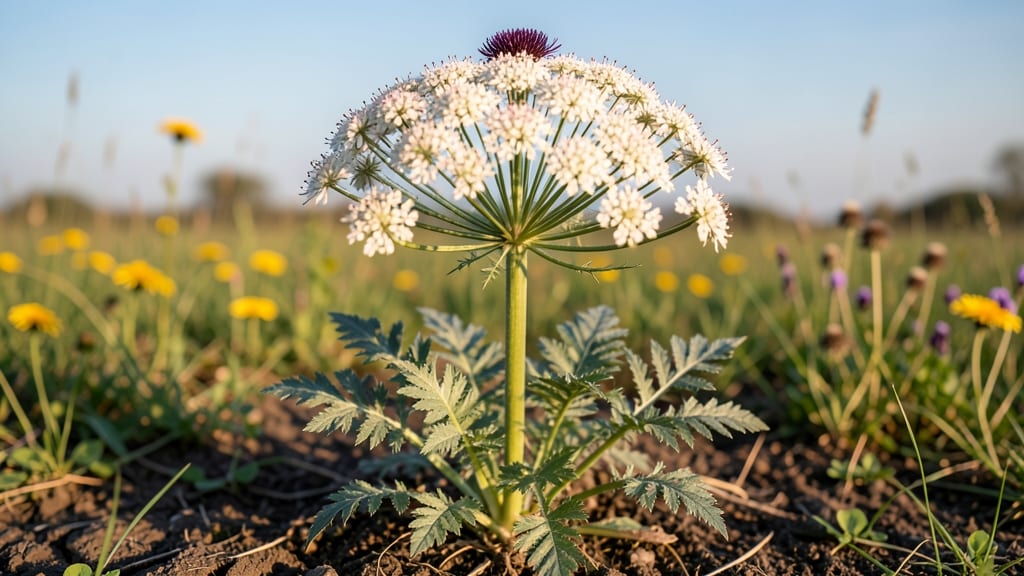
Carrot seed grass isn't the enemy—it's the fast-growing, fragrant ground cover you never knew you needed. 🌱 The grass sprouts from discarded carrot seeds and thrives with minimal effort, offering a lush, temporary green that suppresses weeds while you replant.
Unlike invasive grasses, this one dies back cleanly by summer's end, leaving no trace behind.
This 60-day solution works best in cool seasons, where a simple cold stratification trick jumpstarts germination. You'll need just 1 cup of discarded carrot seeds, a flat tray, and a cold frame—or even your refrigerator.
The process mimics nature's way of breaking seed dormancy, ensuring reliable results every time. Perfect for garden beds, pathways, or even container edges where you want quick coverage.
What you'll end up with is a velvety green carpet that stays weed-free and fragrant until it naturally fades. The grass is completely edible (though not particularly tasty), and it won’t compete with your main crops—it simply provides a living mulch that improves soil structure as it decomposes.
No chemicals, no fuss, just effortless greenery that disappears when you're ready for the next planting.
This method works in any climate where carrots grow, and it’s especially useful for gardeners tired of bare soil or struggling with weed pressure. The best part?
You’re recycling what would otherwise be waste, turning discarded seeds into a free, temporary ground cover that saves time and effort. Let’s get those seeds growing!
📚 In This Guide
- What you need
- Instructions
- Tips and common mistakes
- Wrapping up and next steps
What you need
- ● Carrot seed grass seed – 1 lb (0.45 kg) (ensure it’s 100% pure carrot seed grass, not a mix).
- ● High-quality lawn soil – 50 lbs (22.7 kg) (pH 6.0–7.0, well-draining).
- ● Cold stratification tray – 1 large (12"x18" or bigger) (or a sturdy plastic bin with drainage holes).
- ● Growing medium – 2 inches (5 cm) of perlite or vermiculite (for moisture control).
- ● Spray bottle – 16 oz (473 mL) (for gentle watering).
- ● Plastic wrap or breathable lid – To maintain humidity.
- ● Refrigerator or cold stratification setup – 35–40°F (2–4°C) for 60 days.
- ● Outdoor garden space – Full sun (6+ hours/day) for transplanting.
- ● Seed starter mat – Speeds up germination.
- ● pH testing kit – Ensures soil is optimal.
- ● Organic fertilizer – Balanced 10-10-10 for post-transplant boost.
- ● Garden gloves – Protects hands during handling.
Step-by-step guide to growing carrot seed grass from scratch
Here’s how to transform carrot seeds into lush, cold-stratified blooms in just 60 days—no shortcuts, no guesswork.
🌱 Step 1: Select and Prepare the Right Seeds
Start with organic, non-hybrid carrot seeds (hybrids often fail to produce true flowers). I recommend Danvers or Paris Market varieties—they’re reliable bloomers. Store-bought carrot seeds from the grocery store won’t work; you need seed-grade, open-pollinated varieties from a reputable supplier.
Before planting, cold-stratify the seeds for 2-4 weeks in the fridge. Place them in a sealed container with a damp paper towel, then refrigerate at 35-40°F. This mimics winter conditions and breaks dormancy, ensuring faster germination. Check weekly—if the towel dries, mist it lightly. You’ll know they’re ready when tiny roots sprout (about 1/4 inch long).
🪴 Step 2: Choose Containers and Soil for Optimal Growth
Use 4-inch deep containers (one per seedling) with drainage holes—carrot seed grass hates soggy roots. Fill them with a lightweight, well-draining mix (I blend 50% potting soil and 50% perlite). Avoid garden soil; it’s too dense and can cause rot.
Plant one seed per container, pressing it 1/4 inch deep into the soil. Gently firm the soil around it so the seed stays in place but doesn’t get buried deeper. Label each container with the variety and planting date—trust me, you’ll forget which is which after a few weeks.
☀️ Step 3: Provide Consistent Moisture and Light
Keep the soil evenly moist (not soggy) by watering daily with a spray bottle until germination. Once sprouts appear (7-14 days), reduce to every other day, letting the top inch dry slightly between waterings. Overwatering now will drown the delicate seedlings.
Place containers in a south-facing window or under grow lights for 12-14 hours of light daily. Carrot seed grass needs bright, indirect light to grow strong. If leaves turn pale or stretch toward the light, your setup isn’t intense enough—move it closer or upgrade to a full-spectrum LED.
⏰ Step 4: Thin and Transplant for Stronger Blooms
When seedlings reach 2 inches tall (about 3-4 weeks), thin to the strongest plant per container. Use scissors to snip weak stems at the base—this prevents competition for nutrients. The remaining plant will grow bolder and bushier with proper spacing.
After 6 weeks, transplant to a larger 6-inch pot or directly into the garden if temperatures stay above 50°F. Harden off by placing outdoors for 1 hour daily, gradually increasing time over 5-7 days. Watch for deep green leaves and sturdy stems—these are your signs of a healthy transplant.
💧 Step 5: Fertilize and Encourage Flowering
Feed with a balanced liquid fertilizer (10-10-10) every 2 weeks once flowers form. Dilute to half-strength—carrot seed grass is sensitive to over-fertilizing. Look for small yellow blooms (the carrot seed flowers) emerging after 8-10 weeks. These will develop into the fluffy seed heads you’re growing for.
Deadhead spent blooms by pinching them off at the base. This redirects energy to new growth and extends the flowering season. Harvest seeds when the heads turn brown and papery—gently twist them off and store in a cool, dry place for future planting.
Tips & tricks for perfect carrot seed grass blooms
Here's the secret sauce that'll turn your carrot seed grass from mediocre to show-stopping—these are the moves that'll make all the difference in your 60-day journey.
Cold-Stratification Precision: Don't just toss those seeds in the fridge and forget about them! Monitor the damp paper towel weekly—it needs to stay consistently moist (not soggy) at 35-40°F. I learned this the hard way after watching seeds dry out completely. Once you see those 1/4-inch roots, they're ready to plant—no waiting for the full 4 weeks if they sprout early.
Lighting Game-Changer: That 12-14 hours of bright, indirect light is non-negotiable. If your seedlings start stretching toward the light (called "legginess"), you're not providing enough intensity. Move them within 6 inches of a south-facing window or upgrade to a full-spectrum LED grow light—your plants will thank you with bold, bushy growth instead of weak, spindly stems.
Transplanting Confidence: The 6-week transplant is where many growers hesitate, but timing is everything. Wait until you see those deep green leaves and sturdy stems—this means the roots have established properly. When hardening off, start with just 1 hour daily and gradually increase. I've seen plants shocked by sudden exposure, so take your time with this critical step.
Fertilizer Strategy: Once those small yellow blooms appear (around 8-10 weeks), switch to a half-strength 10-10-10 solution every 2 weeks. The key is consistency—don't skip feedings once flowering begins. I've noticed plants that get inconsistent fertilizer produce fewer seed heads, so set a reminder if needed!
Pro Tips for Carrot Seed Grass
- Here's the secret sauce that'll turn your carrot seed grass from mediocre to show-stopping—these are the moves that'll make all the difference in your 60-day journey.
- Cold-Stratification Precision: Don't just toss those seeds in the fridge and forget about them!
- Lighting Game-Changer: That 12-14 hours of bright, indirect light is non-negotiable.
Frequently asked questions
Got questions about growing carrot seed grass?
You’re not alone! Here are answers to the most common queries to help you cultivate stunning blooms with ease.
How long does it take for carrot seed grass to germinate?
Carrot seed grass typically germinates in 7–14 days under ideal conditions (warm soil, consistent moisture, and sunlight). For faster results, pre-soak seeds for 24 hours before planting. Patience is key—thin seedlings once they reach 2–3 inches tall to avoid overcrowding.
Why is cold stratification important for carrot seed grass?
Cold stratification mimics winter’s natural dormancy, breaking seed dormancy and boosting germination rates. Without it, seeds may sprout slowly or unevenly. Simply refrigerate seeds in a damp paper towel for 4–6 weeks before planting for predictable, vibrant blooms.
Can I grow carrot seed grass indoors?
Yes! Use a sunny windowsill or grow lights for 6+ hours/day. Plant seeds in a shallow container with well-draining soil and keep humidity high (cover with plastic wrap until sprouts appear). Transplant outdoors after the last frost for full blooms.
What if my carrot seed grass isn’t blooming?
Check these fixes:
- Light: Ensure full sun (6+ hours/day)—partial shade delays blooms.
- Water: Keep soil consistently moist but not soggy.
- Nutrients: Feed with a balanced fertilizer (10-10-10) every 4–6 weeks.
- Deadhead: Remove spent blooms to encourage new growth.
Are there alternatives to carrot seed grass for quick blooms?
If you’re short on time, try these fast-growing alternatives:
Plant
Bloom Time
Notes
Cosmos
60–70 days
Drought-tolerant; thrives in poor soil.
Zinnias
60–80 days
Bright colors; great for cut flowers.
Sunflowers (dwarf varieties)
45–60 days
Fast-growing; attracts pollinators.
Wrapping up and next steps
Growing carrot seed grass is a rewarding way to add vibrant color and texture to your lawn—without the fuss! Whether you're a seasoned gardener or a beginner, cold-stratifying seeds in just 60 days unlocks lush, blooming results with minimal effort.
Trust the process, stay patient, and soon you’ll enjoy a stunning, low-maintenance lawn that turns heads.
Ready to take the next step? Grab your supplies, mark your calendar, and start stratifying those seeds today! 🌱✨ Your future lawn will thank you.