
Lawn
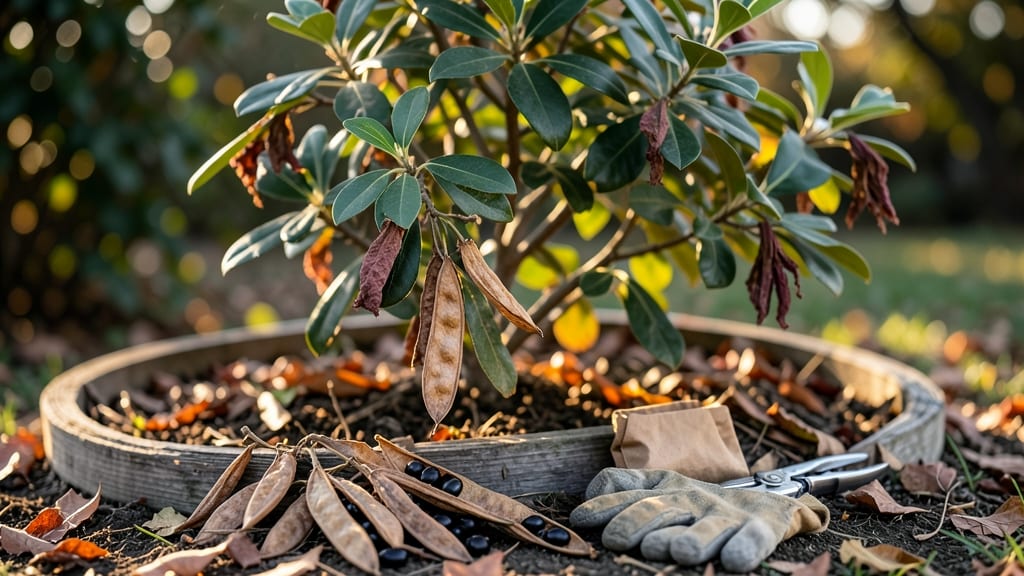
Growing Carolina allspice from seed pods unlocks a fragrant, shade-tolerant perennial that thrives where most herbs fail. 🌿 The secret lies in these unique seed pods—hard, leathery, and packed with tiny seeds that need just the right conditions to sprout.
I’ve grown this native beauty for years, and the key to success starts with knowing exactly when and how to collect those pods.
The plant itself is a game-changer for gardeners with shady spots—its glossy leaves release a spicy-sweet fragrance when crushed, and the flowers (though not showy) attract pollinators like crazy.
But the real magic happens when you master the germination process: soaking those tough seed pods overnight and planting them at the right depth makes all the difference. Most gardeners give up here, but I’ll show you how to get those first green shoots in just 2-3 weeks.
Once established, Carolina allspice becomes nearly indestructible—drought-tolerant, pest-resistant, and happy in partial shade where most herbs would wither. The leaves make a stunning ground cover, and the seed pods themselves are a conversation starter.
By late summer, you’ll have a plant that’s both beautiful and useful, with leaves you can harvest for teas or potpourri all season long. This method works for gardeners in Zones 5-9, though it’s native to the Southeast.
Even if you’re not in its natural range, the seeds adapt surprisingly well with the right care. Ready to grow something truly special? Let’s get those pods planted.
📚 In This Guide
- What you need
- Instructions
- Tips and common mistakes
- Wrapping up and next steps
What you need
- ● Carolina allspice seeds or seed pods – 10–20 pods (or ~50 seeds) for a small patch; adjust for larger areas.
- ● Well-draining potting mix or garden soil – 5–10 gallons (for containers) or amended native soil (for in-ground planting).
- ○ Organic compost or aged manure – 1–2 cups per planting hole (optional but recommended for nutrient boost).
- ● Mulch (pine straw, wood chips, or leaves) – 2–3 inches to retain moisture and suppress weeds.
- ● Garden trowel or transplant spade – For digging holes (6–8 inches deep).
- ● Watering can or hose with gentle spray nozzle – To avoid disturbing seeds.
- ● Pruning shears – For harvesting pods or trimming mature plants.
- ○ Gloves (optional but recommended) – Protects hands from prickly stems or sap.
- ● Sunlight – Full sun to partial shade (6+ hours of sunlight daily).
- ● Climate – Thrives in USDA Zones 6–9; prefers warm, humid conditions.
- ● Watering schedule – Keep soil consistently moist (not soggy) during germination; reduce once established.
- ● Spacing – Plant seeds 12–18 inches apart for optimal airflow.
- ● Seed-starting trays (if germinating indoors).
- ● Herb fertilizer (balanced 10-10-10 or compost tea).
- ● Drying rack or mesh bag (for preserving harvested pods).
- ● Label markers (to track planting dates).
How to grow and care for Carolina allspice seed pods
This fragrant, shade-loving perennial is easier to grow than you think—here's my step-by-step approach.
🌱 Step 1: Choose the Right Location for Planting
Carolina allspice thrives in partial shade to full shade, making it perfect for woodland gardens or under taller trees. Look for a spot with morning sun and afternoon shade—this prevents leaf scorch while giving enough light for healthy growth. I always check the soil first by digging a small hole: if it stays damp for hours, it's ideal.
The plant handles USDA Zones 5-9, so if you're in a colder zone, plant in spring after the last frost when soil reaches 60°F. In warmer zones, fall planting works too—just water deeply after planting to help roots establish before winter.
🌿 Step 2: Prepare Soil and Plant Seedlings
Carolina allspice prefers moist, well-draining soil with a slightly acidic to neutral pH (6.1-7.3). If your soil is heavy clay, mix in 2-3 inches of compost or leaf mold to improve drainage. I like to dig a hole twice as wide as the root ball but only as deep as the container it came in—burying too deep can suffocate the roots.
Space plants 3-4 feet apart to give them room to spread. Water the hole thoroughly before placing the plant in, then backfill with native soil mixed with a handful of compost. Press gently around the base to remove air pockets, and water again until the soil is evenly moist.
☀️ Step 3: Maintain Moisture and Mulch for Protection
Water newly planted allspice 1-2 times per week until established, keeping the soil consistently moist but not soggy. You'll know it's right when the top inch feels damp but not wet. After the first growing season, the plant becomes more drought-tolerant, but I still water during dry spells to keep the leaves fragrant.
Spread a 2-3 inch layer of mulch around the base to retain moisture and regulate soil temperature. I use shredded bark or pine needles—they break down slowly and add organic matter over time. Keep mulch 2 inches away from the stem to prevent rot.
✂️ Step 4: Prune for Shape and Encourage New Growth
Prune in early spring before new growth appears to shape the plant and remove any dead or damaged stems. I cut back leggy growth by one-third to encourage bushier, more compact growth. The plant blooms in late spring with small white flowers, followed by aromatic seed pods—leave some stems to produce these if you want to harvest seeds.
Harvest leaves anytime for culinary or medicinal use, but avoid taking more than one-third of the plant at a time. For seed pods, wait until they turn brown and papery in fall. Snap them off cleanly and store in a cool, dry place—they'll keep their fragrance for months.
🌱 Step 5: Overwintering and Long-Term Care
Carolina allspice is hardy once established, but young plants may need winter protection in colder zones. Apply a 4-6 inch layer of mulch in late fall to insulate the roots. In Zone 5, I also wrap the crown with burlap for extra protection during harsh winters.
Fertilize lightly in early spring with a balanced organic fertilizer (10-10-10) if growth seems slow. Too much nitrogen makes the plant leafy but reduces fragrance. I skip fertilizer in years when the plant looks healthy—overdoing it leads to weaker, less aromatic foliage.
Tips & tricks for growing Carolina allspice seed pods
These simple strategies will help your Carolina allspice thrive and produce those coveted fragrant seed pods every season.
Location is Everything: I can't stress enough how important the morning sun and afternoon shade combo is. If your spot gets too much direct afternoon sun, the leaves will scorch—especially in hotter zones. I've seen plants struggle in full sun, even with regular watering, while the same variety thrives just a few feet away under dappled shade. Test your spot by observing how quickly soil dries after a rain—ideal soil stays damp for hours.
Soil Prep Secret: The 2-3 inches of compost recommendation isn't just about drainage—it's about creating that perfect slightly acidic to neutral pH range (6.1-7.3). I like to mix in a handful of coffee grounds too (about 1 cup per plant) for an extra boost of acidity without overdoing it. This mimics the forest floor environment where Carolina allspice naturally grows. Just don't use fresh coffee grounds—they can burn roots.
Mulching Magic: That 2-3 inch layer of mulch does more than retain moisture—it regulates temperature and prevents soil-borne diseases. I've noticed my plants stay healthier and more fragrant when I use pine needles or shredded bark rather than wood chips. The acidity from pine needles actually enhances the plant's natural aroma. And remember, keeping mulch 2 inches away from the stem prevents rot while still protecting roots.
Pruning Payoff: When you cut back that one-third of leggy growth in Step 4, you're not just shaping the plant—you're encouraging more compact, bushier growth that produces more aromatic leaves and seed pods. I prune in early spring because new growth is about to start, and the plant has time to recover before summer heat. Always use clean, sharp shears to avoid damaging stems.
Pro Tips for Carolina Allspice Seed Pods
- These simple strategies will help your Carolina allspice thrive and produce those coveted fragrant seed pods every season.
- Location is Everything: I can't stress enough how important the morning sun and afternoon shade combo is.
- Soil Prep Secret: The 2-3 inches of compost recommendation isn't just about drainage—it's about creating that perfect slightly acidic to neutral pH range (6.1-7.3).
Frequently asked questions
Got questions about growing and using Carolina allspice (Calycanthus floridus) seed pods?
Here are answers to the most common ones to help you get the most out of this fragrant perennial!
When is the best time to harvest Carolina allspice seed pods?
The ideal time to harvest seed pods is in late fall or early winter (November–January), when they turn brown and dry but haven’t split open. Wait until the pods are crispy to the touch—this ensures high germination rates. Store them in a cool, dry place until planting.
Can I grow Carolina allspice from seed pods, or do I need to buy plants?
Yes! You can grow from seed pods, but germination takes 4–6 months and may be slow. For faster results, buy nursery-grown plants. If starting from seed, stratify the pods (mix with damp sand, refrigerate for 3–4 months) to mimic winter conditions.
Why aren’t my Carolina allspice seed pods producing seeds?
Several factors could be at play:
- Lack of pollinators: Hand-pollinate flowers with a soft brush if bees aren’t visiting.
- Improper timing: Seed pods need 60–90 days to mature after flowering.
- Environmental stress: Ensure full sun to partial shade and well-draining soil.
Are Carolina allspice seed pods edible or toxic to pets?
The leaves and flowers are safe for humans (used in teas and seasoning), but the seed pods themselves are not typically eaten and may cause mild stomach upset in large quantities. For pets, all parts are non-toxic to dogs and cats, but avoid overfeeding—moderation is key!
How cold-hardy are Carolina allspice seed pods in winter?
This native perennial thrives in USDA Zones 5–9 and handles winter temps down to -20°F (-29°C). However, young seedlings or newly planted shrubs may need mulch or burlap wraps for extra protection in harsh winters. Prune dead stems in early spring.
Wrapping up and next steps
Carolina allspice seed pods offer a fragrant, versatile addition to your garden—whether you’re drawn to their aromatic leaves, medicinal benefits, or culinary potential. These hardy perennials thrive with minimal fuss, making them a rewarding choice for both beginners and seasoned gardeners. 🌿
Ready to bring their magic into your space? Start by gathering your supplies, following the planting tips, and don’t hesitate to experiment with their uses—from teas to pest control! Your garden (and senses) will thank you.
Next step: Snag a few seed pods today and watch your green thumb grow!