
Size
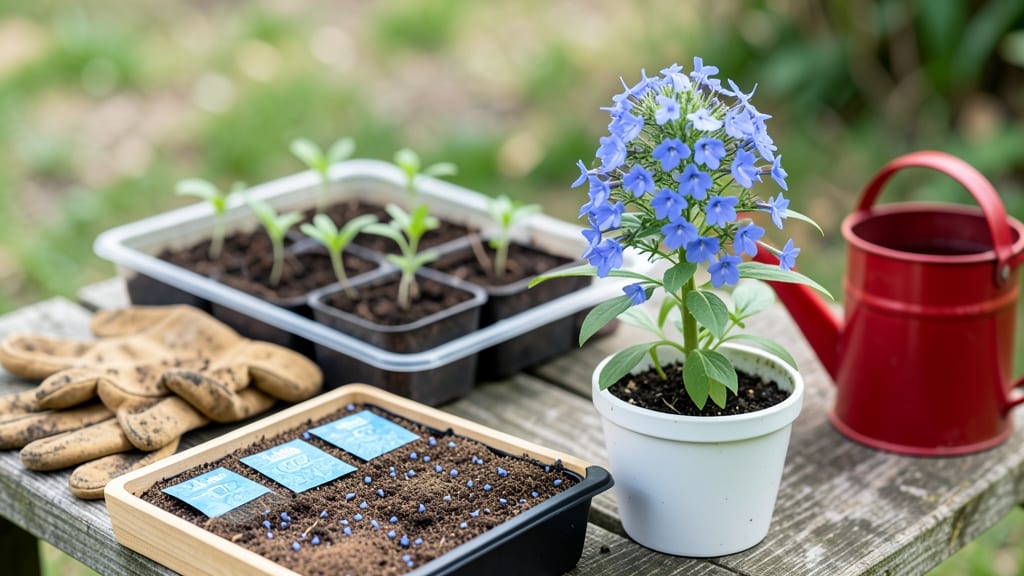
Growing blue blooms from seeds feels like unlocking a secret garden. 🌿 Cold-stratifying blue cornflower and blueberry seeds transforms them from stubborn starters into reliable plants—no more guessing when they’ll sprout.
The key is mimicking winter’s chill, which breaks dormancy in just 60 days, giving you vibrant blue flowers or fruit by summer.
You’ll need a few simple supplies: damp paper towels, a sealed plastic bag, and a fridge for stratification. Blue cornflowers thrive in full sun and well-draining soil, while blueberries demand acidic soil (pH 4.5-5.5) and partial shade. Water lightly but consistently—overwatering is the biggest rookie mistake.
By day 60, you’ll see those first true leaves pushing through the soil. The payoff? Sky-blue cornflowers that attract pollinators or sweet blueberries ready for picking. This method works for other cold-loving seeds too—think delphiniums or lupines.
Pro tip: Label your seeds now to avoid mix-ups later. And if your seeds still don’t germinate after 90 days, they might need a longer cold period. Patience is key—these blue beauties will reward you with color and flavor you won’t find in store-bought plants.
📚 In This Guide
- What you need
- Instructions
- Tips and common mistakes
- Wrapping up and next steps
What you need
- ● Blue seed packets – Choose delphinium, cornflower, or bachelor’s button (1-2 packets per 10 sq. ft. of garden space).
- ● Cold-stratification setup: Small plastic bag or damp paper towel (for seed pre-treatment)
- ● Ziplock bag or airtight container (to seal seeds)
- ● Refrigerator (set to 34–40°F for 4–6 weeks)
- ● Growing medium: Seed-starting mix (sterile, peat-based or coco coir, 1–2 quarts)
- ● Small pots or seed trays (3–4 inch diameter, biodegradable or plastic, 6–12 units)
- ● Basic tools: Spray bottle (for gentle watering)
- ● Plant labels & marker (to track varieties)
- ● Garden trowel or small shovel (for transplanting)
- ● Outdoor space: Well-draining soil (amend with compost if needed)
- ● Sunny location (6+ hours of direct sunlight daily)
- ● Growth aids: Grow lights (if starting indoors before last frost)
- ● Fertilizer (balanced 10-10-10 or organic options like fish emulsion)
- ● Protection: Row covers or mesh (to deter pests like slugs or rabbits)
- ● Stakes or cages (for tall varieties like delphinium)
- ● Comfort items: Knee pad (for easy gardening)
- ● Gloves (to keep hands clean)
Step-by-Step instructions for cold-stratifying blue seed varieties
Here’s how to break the dormancy cycle and get those vibrant blue blooms popping up reliably every season.
🌱 Step 1: Collect and Prepare Seeds for Stratification
Harvest seeds from fully mature blue flower heads (like delphinium, lupine, or cornflower) and let them dry completely on a paper towel for 7-10 days. This prevents mold during stratification. Store them in a sealed envelope until ready to start—just don’t refrigerate them dry, or they’ll lose viability.
For store-bought seeds, check the packet for stratification requirements. Most blue blooms need 60-90 days of cold treatment, but some varieties (like baptisia) can take up to 120 days. Write the variety and start date on the envelope—this becomes your timeline anchor.
💧 Step 2: Moisten and Layer Seeds in the Stratification Medium
Mix equal parts peat moss and perlite (or use a pre-made seed-starting mix) in a shallow container. Dampen it until it holds moisture like a wrung-out sponge—not soggy, not dry. Spread seeds ½ inch apart in a single layer, then cover them with ¼ inch of the same damp mix. This prevents them from drying out while still allowing airflow.
Place a second layer of seeds on top of the first, repeating until all seeds are used. Label the container with the seed type and stratification start date. I like to use a ziplock bag with small holes to contain the mix—it keeps things tidy and prevents spills in the fridge.
☀️ Step 3: Refrigerate for Cold Treatment
Store the container in the refrigerator’s crisper drawer (the coldest, most humid spot) for 60-90 days. Check weekly for moisture—if the mix feels dry, mist it lightly with water. Overwatering here causes rot, so only add moisture if the surface feels dry to the touch.
After 45 days, gently remove the container and inspect seeds. Some varieties (like baptisia) may show slight swelling—this is normal. Return it to the fridge for the full duration. If you’re impatient, you can test one seed by planting it early, but most blue blooms need the full cold period for reliable germination.
🌿 Step 4: Plant Stratified Seeds in Early Spring
Once stratification is complete, sow seeds ¼ inch deep in well-draining soil. Blue blooms dislike soggy roots, so amend heavy soil with compost and coarse sand for better drainage. Space seeds 6-12 inches apart—crowding leads to leggy, weak stems that flop in summer.
Keep the soil evenly moist but not waterlogged until germination. Most blue blooms take 14-28 days to sprout, depending on the variety. Thin seedlings to the strongest 3-4 per foot once they’re 2 inches tall. This ensures each plant has room to develop robust roots and sturdy stems.
⏰ Step 5: Support and Maintain for Peak Blooms
Install sturdy stakes or cages at planting time—blue blooms grow 3-5 feet tall and need support. I use bamboo stakes for delphiniums and tomato cages for lupines. Water at the base deeply once a week (unless rain provides 1 inch), avoiding wetting the foliage to prevent fungal diseases.
Deadhead spent blooms by snipping stems just above a set of leaves to encourage more flowers. By mid-summer, your cold-stratified plants will reward you with vibrant blue spikes that last weeks longer than unstratified seeds. Save seeds from the best performers for next year’s batch—this builds a self-sustaining garden.
Tips & tricks for perfect cold-stratified blue blooms
These pro strategies will help you maximize germination rates and grow vibrant blue blooms every season.
Timing Secret: Start your stratification in early fall (around September) to ensure the full 60-90 days of cold treatment completes by late winter. This aligns with natural dormancy cycles and gives seeds the perfect wake-up call before spring planting. For baptisia varieties requiring up to 120 days, begin in August to avoid rushing the process.
Medium Selection Tip: The peat moss and perlite mix should stay consistently damp but never soggy—think of it like a wrung-out sponge. I find using a ziplock bag with small holes punched in the top creates an ideal microclimate that maintains moisture without risking mold. This simple container also prevents spills in the fridge and keeps everything organized.
Visual Cues for Success: In Step 3, when you check seeds after 45 days, look for slight swelling in varieties like baptisia—this indicates they're responding to the cold treatment. For other blue blooms, seeds may appear unchanged, but don't be fooled; the internal processes are still working. If you see any mold or foul odors, discard that batch immediately and start fresh with a new mix.
Planting Precision: When sowing stratified seeds in Step 4, use your finger to create small furrows about ¼ inch deep. Space seeds ½ inch apart initially, then thin to 6-12 inches when they're 2 inches tall. This spacing prevents competition and gives each plant room to develop strong stems that can support those tall blue spikes we're all after.
Pro Tips for Blue Seed Grow A Garden
- These pro strategies will help you maximize germination rates and grow vibrant blue blooms every season.
- Timing Secret: Start your stratification in early fall (around September) to ensure the full 60-90 days of cold treatment completes by late winter.
- Medium Selection Tip: The peat moss and perlite mix should stay consistently damp but never soggy—think of it like a wrung-out sponge.
Frequently asked questions
Got questions about growing blue seed blooms? Here are some of the most common ones—plus straightforward answers to help you avoid frustration and maximize your garden’s potential.
What does "cold-stratification" mean, and why is it necessary for blue seed?
Cold-stratification mimics winter conditions to break seed dormancy. For blue seed varieties (like cornflowers or morning glories), this process tricks the seed into thinking it’s survived a cold season, triggering faster germination. Skip it, and you might wait months—or never see sprouts!
Can I grow blue seed indoors before transplanting outdoors?
Start seeds indoors 4–6 weeks before your last frost date. Use seed trays with well-draining soil, keep them under grow lights (or a sunny window), and transplant seedlings outdoors once they’ve developed 2–3 true leaves. Just harden them off for a week first!
What’s the ideal soil temperature for planting blue seed?
For most blue seed varieties, soil should be at least 60°F (15°C) before planting. Use a soil thermometer to check—cool soil delays germination. If your climate is chilly, opt for cold-hardy varieties like borage or lupines, which tolerate cooler temps.
Why aren’t my blue seed sprouts turning blue?
Many blue seed plants (like cornflowers) start green and shift to blue as they mature. If they’re staying green, check sunlight—full sun (6+ hours/day) is critical. Over-fertilizing with nitrogen can also dull colors. Try a balanced 10-10-10 fertilizer instead.
Are there any low-maintenance alternatives to traditional blue seed flowers?
Yes! Try lupines (drought-tolerant and perennial) or borage (edible, self-seeding, and thrives in poor soil). For instant color, annual phlox or cleome (spider flower) are easy to grow and bloom blue/purple without fuss.
Wrapping up and next steps
Growing blue seed blooms in just 60 days is totally doable—even for beginners! 🌱 With cold stratification and a little patience, you’ll soon enjoy vibrant, low-maintenance flowers that thrive without the guesswork. Remember, the key is consistency in moisture, light, and timing.
Now that you’re armed with the know-how, take the first step today! Start with a few seeds, track your progress, and soon you’ll be sharing your stunning garden with neighbors (and maybe even winning local praise). Happy growing—your future blue paradise awaits! 🌸