
Size
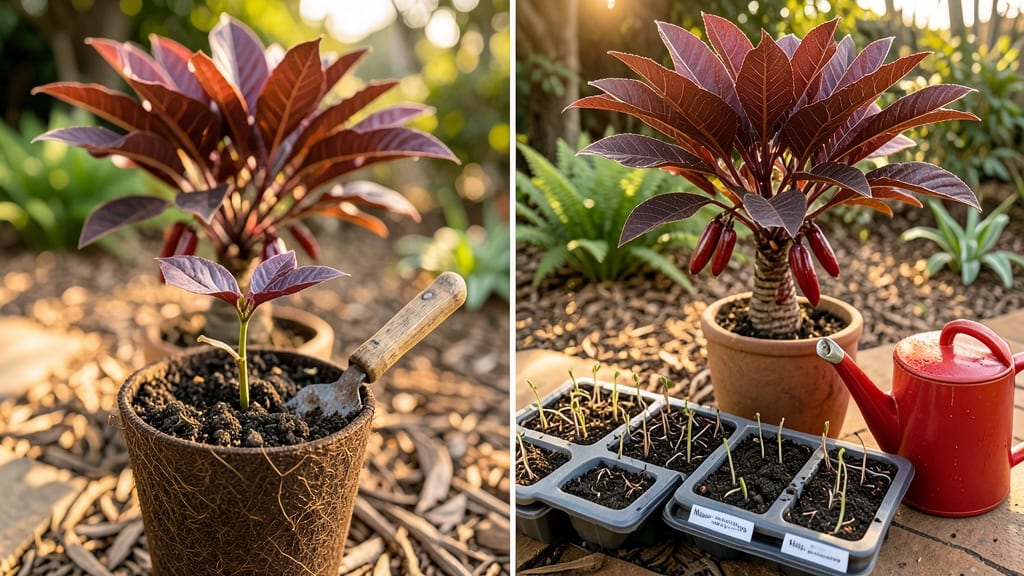
Growing blood banana from seed unlocks a tropical dream in your garden—those striking red stems and lush foliage are worth the patience. 🌿 The journey starts with a single seed that might take months to sprout, but once it does, you’ll have a banana plant with dramatic color and edible fruit (if you’re lucky enough to get flowers).
My first attempt took 12 weeks of waiting, but that first leaf breaking through the soil made it all worth it.
You’ll need a warm spot (70-85°F), moist but well-draining soil, and a large container (at least 10 gallons) since these plants grow fast. The seed needs light to germinate—don’t bury it deep—just press it into damp potting mix and keep it humid under plastic wrap.
Patience is key here: some seeds sprout in weeks, others take months, so stay consistent with moisture and warmth.
Once your seedling pops up, it’ll grow fast—expect 1-2 feet in its first year if conditions are perfect. Keep it in bright, indirect light (no harsh midday sun at first) and water when the top inch of soil dries out.
The real magic happens when those signature red stems start developing, signaling you’re on the right track.
This isn’t a quick project—it’s a long-term tropical investment. But if you’re in zones 10-12 or can overwinter it indoors, you’ll have a stunning, conversation-starting plant that keeps growing for years.
The biggest challenge? Waiting for germination. The reward? A banana plant that looks like it belongs in a jungle, not your patio.
📚 In This Guide
- What you need
- Instructions
- Tips and common mistakes
- Wrapping up and next steps
What you need
- ● Blood banana seeds: 3–5 fresh, plump seeds (ensure they’re viable—soak in warm water for 24 hours to test).
- ● Growing containers: Seedling trays (biodegradable or plastic, 12–24 cell packs).
- ● 5–7 gallon pots (with drainage holes) for mature plants (fabric or plastic).
- ● Potting mix: Seed-starting mix (sterile, well-draining).
- ● Well-draining tropical mix (50% peat/pine bark, 30% perlite, 20% compost) for mature plants.
- ● Tools: Small hand trowel or spoon for planting.
- ● Spray bottle (for gentle watering).
- ● Pruning shears (for future trimming).
- ● Fertilizer: Balanced liquid fertilizer (10-10-10 or 20-20-20, diluted to half-strength).
- ● Mulch: Organic mulch (coconut coir or shredded bark) to retain moisture.
- ● Grow lights or sunny windowsill (if natural light is limited).
- ● Humidity dome or plastic wrap (to create a mini greenhouse for seedlings).
- ● pH test kit (ideal soil pH: 5.5–6.5 for bananas).
- ● Support stakes or trellis (for larger plants as they grow).
- ● Epsom salt (occasional magnesium boost for yellowing leaves).
Step-by-Step instructions for growing blood banana trees in containers
Here’s how to coax those vibrant tropical leaves from tiny seeds—no green thumb required.
🌱 Step 1: Soak and Plant the Seeds for Fast Germination
Start by soaking the blood banana seeds in warm water for 24 hours—this softens the tough outer shell and speeds up germination. I like to use a small bowl of room-temperature water and let them sit overnight. You’ll know they’re ready when the water turns slightly cloudy.
After soaking, plant each seed ½ inch deep in a small pot filled with moistened seed-starting mix. Use a pencil to poke a tiny hole, drop in the seed, then cover lightly—just enough to hide it. Press the soil gently around it, but don’t pack it down too tight. Blood banana seeds need warmth to sprout, so place the pot in a warm, humid spot (like on top of a fridge or near a heat vent).
☀️ Step 2: Provide Warmth and Light for Sprouting
Keep the soil consistently moist but never soggy—water gently when the top ¼ inch feels dry to the touch. A clear plastic bag draped over the pot creates a mini greenhouse effect, trapping humidity and encouraging faster growth. Check daily for condensation; if it’s dripping, remove the bag for a few hours to prevent mold.
Once the first true leaves appear (usually in 2-4 weeks), move the seedling to a bright, indirect light spot. Avoid direct sun at this stage—young blood banana plants can scorch easily. A south-facing window with sheer curtains works well, or use a grow light if your space lacks natural light. You’ll see the leaves darken and thicken as they adjust.
🪴 Step 3: Transplant to Larger Containers as Roots Grow
When the seedling reaches 4-6 inches tall and has 4-6 true leaves, it’s time to upgrade to a 5-gallon container (or larger). Blood banana trees grow fast, so give them room to spread. Fill the new pot with well-draining potting mix mixed with 20% perlite to prevent root rot. Gently remove the seedling from its old pot, loosen the roots, and place it in the center of the new container.
Fill in around the roots with soil, pressing lightly to eliminate air pockets. Water deeply until it drains from the bottom, then let it sit for a day before watering again. Place the container in a spot with bright, indirect light—think dappled shade under a tree or a shaded patio. Avoid cold drafts, as blood banana trees thrive in warmth (70-85°F) and humidity.
💧 Step 4: Maintain Tropical Conditions for Healthy Growth
Water when the top 2 inches of soil feel dry, but don’t let the roots sit in soggy conditions. Blood banana trees love moisture but hate waterlogged soil. In summer, you might water every 2-3 days, while winter care drops to once a week. Mist the leaves occasionally to mimic their tropical habitat—dusty leaves can’t photosynthesize efficiently.
Fertilize lightly every 4-6 weeks with a balanced liquid fertilizer (like 10-10-10) during the growing season (spring and summer). Reduce feeding in fall and winter. You’ll notice new leaves emerging in 2-3 weeks after fertilizing—this is your cue that the plant is happy. If the leaves yellow, it’s usually a sign of overwatering or poor drainage.
✂️ Step 5: Prune and Support as the Tree Matures
As your blood banana grows, you’ll see long, arching fronds. Prune leggy or damaged leaves with clean scissors to encourage bushier growth. Never cut more than ⅓ of the plant at once, or it’ll go into shock. If the stem starts to flop, provide support with a small bamboo stake or trellis—these trees can get heavy as they mature.
By year two, your blood banana should be a stunning 3-5 feet tall with bold, dark leaves. At this point, you can move it outdoors to a sheltered patio or balcony during warm months, bringing it back inside before temperatures drop below 50°F. With patience, your container-grown blood banana will reward you with lush, tropical beauty—no jungle required!
Tips & tricks for growing blood banana trees in containers
Here's what nobody tells you about nurturing these tropical beauties from seed to showstopper.
Soaking Strategy: That 24-hour soak isn't just about softening the seed shell—it's also a test of patience. I've found using a mesh produce bag with warm water (not boiling) works best, as it keeps seeds contained while allowing water to circulate. The cloudy water is your success signal—it means the seed's outer layer is breaking down, which is exactly what we want for faster germination.
Light Transition: The shift from greenhouse conditions to bright indirect light in Step 2 is where most beginners trip up. Start by placing your seedling near a north-facing window for the first week after sprouting. This gradual introduction prevents leaf scorch while still providing enough light for photosynthesis. I've seen seedlings burn within hours when moved directly to south-facing windows too soon.
Transplant Timing: Waiting until your seedling has 4-6 true leaves before transplanting is crucial, but don't wait until the roots are visibly circling the pot. The moment you see the first signs of root binding (when you can see roots growing in circles along the pot's surface), it's time to upgrade. I've successfully transplanted seedlings that were just 3 inches tall but already showing root binding—don't wait until they're struggling.
Temperature Troubleshooting: Those 70-85°F ideal temperatures can be tricky in many homes. If your space runs cooler, consider using a small heating mat (like those for seed starting) under the pot. For warmer climates, move containers to shaded areas during peak afternoon sun. The 50°F threshold for bringing plants indoors is non-negotiable—blood bananas are tropical and won't tolerate cold drafts.
Pro Tips for Blood Banana Seed Grow A Garden
- Here's what nobody tells you about nurturing these tropical beauties from seed to showstopper.
- Soaking Strategy: That 24-hour soak isn't just about softening the seed shell—it's also a test of patience.
- Light Transition: The shift from greenhouse conditions to bright indirect light in Step 2 is where most beginners trip up.
Frequently asked questions
Got questions about growing blood banana seeds? You’re not alone! Here are some of the most common concerns—plus quick, practical answers to help you succeed.
How long does it take for a blood banana seed to sprout?
A blood banana seed typically sprouts within 2–4 weeks if kept warm (70–85°F) and moist. Patience is key—some seeds may take longer, especially if stored improperly. Pro tip: Use a seedling heat mat to speed things up!
Can I grow blood banana seeds indoors in cold climates?
Blood bananas thrive in containers, making them perfect for indoor growing. Place them near a sunny window or under grow lights (12+ hours/day). Just ensure humidity stays high—mist leaves or use a humidity dome to mimic tropical conditions.
What’s the best soil mix for blood banana seedlings?
Use a well-draining, airy mix like:
- 60% peat moss or coconut coir
- 30% perlite or pumice
- 10% compost or worm castings
Why did my blood banana seed turn moldy?
Mold usually means too much moisture or poor airflow. Let the top inch of soil dry slightly between waterings, and avoid overcrowding seedlings. If mold appears, remove affected seeds and repot healthy ones in fresh, sterile mix.
Can I grow blood banana from store-bought fruit?
Yes! Save the seeds from a ripe blood banana, rinse them, and plant them immediately (or store in damp paper towels in the fridge for up to 2 weeks). Just know: not all seeds will sprout—germination rates vary!
Wrapping up and next steps
Growing a blood banana (Musa coccinea) from seed is a rewarding adventure—perfect for container gardens and tropical enthusiasts! 🌱 With the right soil, patience, and a cozy spot, you’ll nurture a stunning, compact tree that thrives in pots.
Whether you’re a beginner or a seasoned gardener, this vibrant plant offers beauty and low-maintenance joy.
Ready to take the next step? Start with a single seed, and soon you’ll be enjoying lush foliage and exotic blooms—just imagine the conversation starter! 🌺 Plant yours today and watch your garden transform!