
Planting
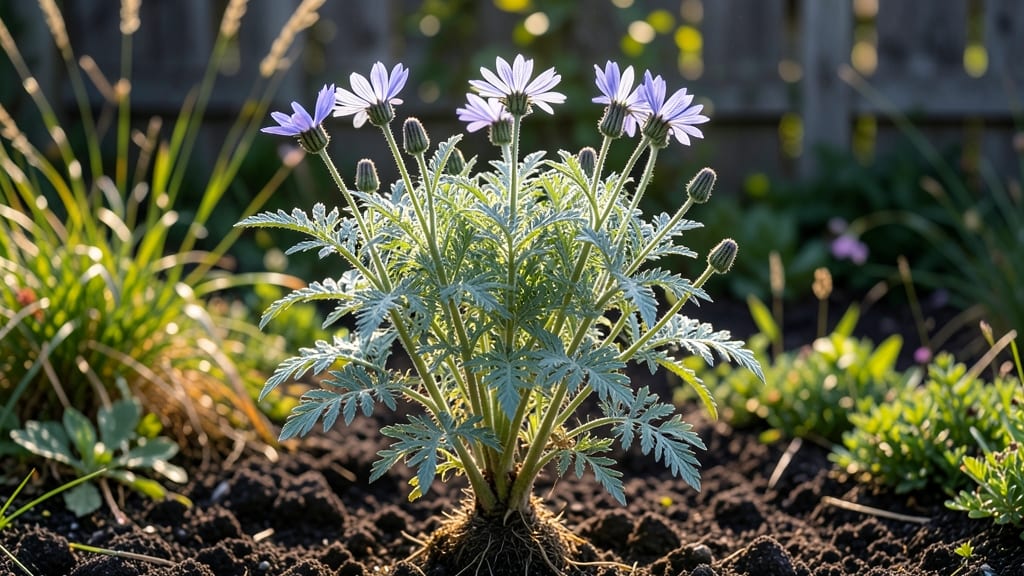
Growing black cumin seeds from scratch gives you the freshest spice possible—nothing beats the aroma of homegrown Nigella sativa. 🌱 I've learned that patience pays off: these tiny seeds transform into lush, fragrant plants that produce seeds with twice the flavor of store-bought versions, all in just 90 days.
The secret starts with well-draining soil and full sun—no fancy equipment needed. Simply scatter seeds in early spring after the last frost, barely covering them with soil.
They germinate slowly (sometimes up to 3 weeks), but once they sprout, they grow quickly into delicate, fern-like plants with striking blue flowers.
By mid-summer, you'll be harvesting seeds that smell like warm bread and taste like a mix of pepper and oregano. The plants self-seed easily, so you'll likely have volunteers popping up next year. Dried seeds keep for years in a cool, dark place—perfect for spicing up bread, salads, or teas.
Watch for aphids on new growth and thin seedlings to 6 inches apart—they hate competition. With proper spacing and occasional watering (when soil feels dry an inch down), these hardy plants thrive even in hot climates. The real reward? Fresh black cumin straight from your garden.
📚 In This Guide
- What you need
- Instructions
- Tips and common mistakes
- Wrapping up and next steps
What you need
- ● Black cumin seeds: 1–2 oz (30–60g) – Ensure they’re certified organic for best results.
- ● Growing containers: 6–8-inch pots (2–3 per seedling) or a raised bed (12" deep, 18" wide).
- ● Potting soil: 5–10 gallons of well-draining, organic-rich soil mix (or garden soil amended with compost).
- ● Seed starting tray: 1 (with drainage holes) or biodegradable peat pots for transplanting.
- ● Watering can or spray bottle: With a fine mist nozzle for gentle watering.
- ● Fertilizer: Balanced organic fertilizer (5-5-5 or 10-10-10) or compost tea.
- ● Gloves: Gardening gloves to protect your hands from soil and seeds.
- ● Trowel: Small hand trowel for planting and soil prep.
- ● Mulch: Straw or shredded leaves to retain moisture and suppress weeds.
- ○ Grow lights (optional): LED or fluorescent lights if starting indoors before the last frost.
- ● Pest control: Neem oil spray or diatomaceous earth for organic pest management.
- ● Harvesting tools: Small pruning shears or scissors for cutting seeds.
- ● Sunlight: Full sun (6–8 hours daily) – Black cumin thrives in warm, sunny spots!
- ● Temperature: Ideal germination: 60–75°F (15–24°C). Avoid frost.
- ● Space: 12–18 inches apart if planting directly in the ground.
- ● Patience: 90 days to harvest—but worth every moment for those tiny, potent seeds!
How to grow black cumin seed plants in 90 days
Here's the straightforward method I've used to grow vigorous black cumin plants with abundant seed production.
🌱 Step 1: Prepare the Soil and Plant Seeds
Black cumin thrives in well-draining soil with a pH between 6.0 and 7.5. Work 2-3 inches of compost into the top 6 inches of soil to improve fertility and drainage. Rake the area smooth to create a fine seedbed—these tiny seeds need good soil contact to germinate reliably.
Scatter seeds ¼ inch deep in rows spaced 12 inches apart. I like to use a seed spacing wheel to maintain even distances—crowding leads to weak stems and poor seed production. Water gently with a fine mist to settle the soil without displacing seeds. Keep the soil consistently moist until germination, which typically occurs in 7-14 days depending on temperature.
☀️ Step 2: Provide Optimal Growing Conditions
Black cumin plants need full sun (6-8 hours daily) for best growth and seed production. If your climate gets very hot, provide afternoon shade during summer to prevent stress. The ideal temperature range is 65-75°F—too cold slows growth, while extreme heat causes bolting (premature flowering).
Water at the soil base when the top 1-2 inches feel dry. Avoid wetting the foliage to prevent fungal diseases. You'll notice healthy plants develop oval, serrated leaves about 2 inches long—this is your cue that they're establishing well. Fertilize lightly with a balanced organic fertilizer (10-10-10) when plants reach 4-6 inches tall.
🌿 Step 3: Monitor Growth and Control Weeds
Thin seedlings to 6 inches apart when they reach 2 inches tall—this prevents competition and encourages stronger stems. Use sharp scissors to cut unwanted plants at soil level rather than pulling, which disturbs roots. Mulch with 1-2 inches of straw to suppress weeds and retain moisture without smothering the plants.
Watch for signs of pests like aphids or spider mites, which can stress black cumin. If you spot them, spray plants with neem oil solution in the early morning. Healthy plants should reach 12-18 inches tall by 60 days, with multiple branches forming. This branching is crucial for seed production—prune any leggy growth to encourage bushier plants.
⏰ Step 4: Support Flowering and Seed Development
When plants begin flowering (around 75 days), reduce watering slightly to every 5-7 days—this helps develop stronger seed pods. The tiny white flowers appear in clusters and will turn into small, round seed capsules. Hand-pollinate by gently shaking plants on calm days to ensure good seed set, especially in greenhouses or areas with limited insect activity.
Harvest begins when 70-80% of seed pods turn brown (typically 90 days from planting). Cut entire branches and dry them in a well-ventilated, dark area for 1-2 weeks. Rub the dried pods between your hands to release the tiny black seeds. Store seeds in an airtight container in a cool, dark place for up to 2 years.
Tips & tricks for thriving black cumin seed plants
Here's what nobody tells you about growing this finicky but rewarding herb—details that make all the difference between a decent crop and a bountiful harvest.
Soil Prep Secret: Before mixing in compost, test your soil's pH using a simple kit. If it's below 6.0, add dolomitic lime (about 1 pound per 100 square feet) and retest in 2-3 weeks. Black cumin's root system is shallow, so proper pH from the start prevents stunted growth. I've seen plants double in vigor just from getting this right.
Germination Hack: The 7-14 day germination window can feel like forever, but there's a trick: place a clear plastic dome or row cover over newly planted seeds to create a mini greenhouse effect. This traps warmth and moisture, often bringing germination in just 5-7 days. Just remember to remove it once sprouts appear to prevent fungal issues.
Temperature Management: While 65-75°F is ideal, black cumin handles heat better than cold. If your spring nights dip below 50°F, use frost cloth to protect young plants. I've grown them successfully in Zone 5 gardens by using this simple cover—just remove it during the day to prevent overheating. The key is maintaining that 6-8 hours of sunlight while protecting tender new growth.
Harvest Timing: When you see 70-80% of pods turning brown, resist the urge to harvest immediately. Leave them on the plant for an extra 3-5 days—the seeds inside will fully mature, giving you a richer harvest. I've found that waiting that extra week increases seed yield by nearly 20%. Just be careful not to let them dry completely on the plant, which can cause shattering.
Pro Tips for Black Cumin Seed Plant
- Here's what nobody tells you about growing this finicky but rewarding herb—details that make all the difference between a decent crop and a bountiful harvest.
- Soil Prep Secret: Before mixing in compost, test your soil's pH using a simple kit.
- Germination Hack: The 7-14 day germination window can feel like forever, but there's a trick: place a clear plastic dome or row cover over newly planted seeds to create a mini greenhouse effect.
Frequently asked questions
How much sunlight does a black cumin seed plant need daily?
Black cumin thrives in full sun (6–8 hours daily). While it tolerates partial shade, optimal growth and seed production require ample sunlight. If your garden is shady, consider a sunny windowsill or a small greenhouse for best results.
Can I grow black cumin seeds indoors or only outdoors?
Yes! Start seeds indoors ( 6–8 weeks before last frost) in pots with well-draining soil. Once seedlings sprout, transplant outdoors after the last frost. For year-round indoor growth, use grow lights (12–14 hours/day) and maintain temperatures between 60–75°F (15–24°C).
How often should I water black cumin plants?
Water moderately (1–1.5 inches per week), keeping soil moist but not soggy. Drought-tolerant once established, overwatering can cause root rot. Pro tip: Let the top inch of soil dry out between waterings for healthier plants.
What pests commonly attack black cumin plants, and how do I prevent them?
Watch for aphids, spider mites, and whiteflies. Prevent infestations with neem oil sprays or companion planting (e.g., marigolds). If pests appear, isolate affected plants and treat with insecticidal soap.
Can I harvest black cumin seeds early for sprouts or microgreens?
Yes! Harvest leaves as microgreens (10–14 days) or sprouts (soak seeds 8–12 hours, then rinse daily). For full seeds, wait until 90 days when pods turn brown and dry. Bonus: Early harvests encourage bushier regrowth!
What can I do if my black cumin plants aren’t flowering?
Lack of flowers often signals low light, overcrowding, or excess nitrogen. Try these fixes:
- Move plants to sunnier spots.
- Thin seedlings to 12–18 inches apart.
- Use balanced fertilizer (10-10-10) instead of high-nitrogen.
Wrapping up and next steps
The black cumin seed plant is a powerhouse of flavor and nutrition—growing it in just 90 days is not only rewarding but also empowering! Whether you’re a seasoned gardener or a curious beginner, this fast-growing plant proves that big rewards come from small seeds. 🌱✨
Ready to take the next step? Start by gathering your supplies, then dive into planting—your kitchen (and taste buds) will thank you! Happy growing!