
Lawn
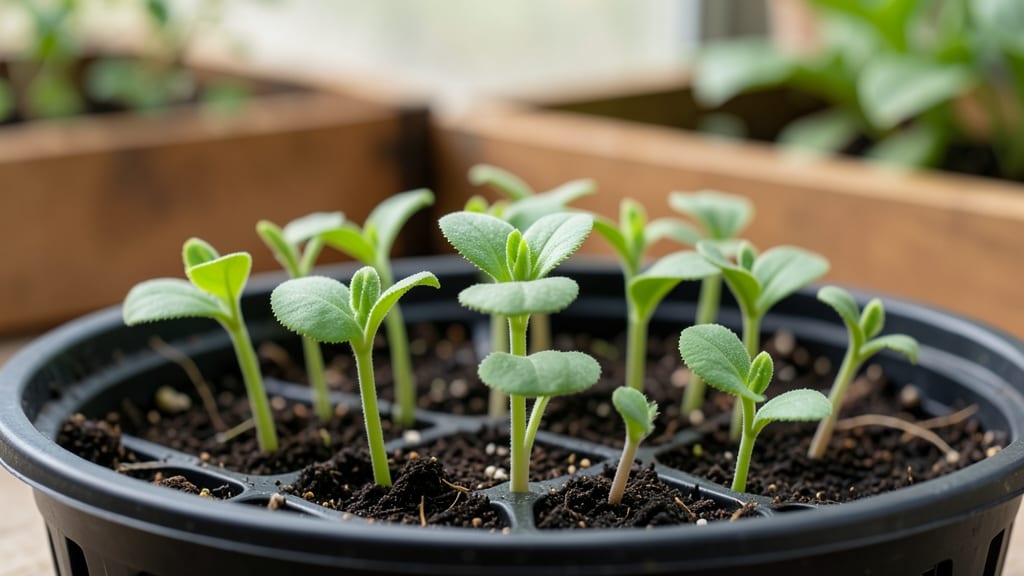
Zinnia seed sprouts appear in just 3-5 days when you nail the right mix of warmth, moisture, and patience—no more waiting weeks for those bright blooms to start. 🌱 I’ve learned that the key isn’t just throwing seeds in soil; it’s creating the perfect tiny greenhouse effect.
Too cold, and they’ll sulk for weeks. Too wet, and mold moves in before your sprouts even think about waking up. The secret lies in 75-80°F soil (that’s warm, not hot) and keeping the surface damp like a wrung-out sponge—not soggy, not dry.
A clear plastic bag or humidity dome turns your seed tray into a mini jungle, and within a week, you’ll see those first green hooks breaking through. That’s when the real fun begins—thinning, hardening off, and watching them grow into those bold, cheerful blooms you planted for.
What you’ll end up with are sturdy, stocky seedlings that outpace anything from the nursery. No more leggy, weak stems that flop over at the first breeze. These babies stand tall, ready to take their place in your garden beds or containers. The payoff?
A summer of nonstop color that starts with just a few simple steps now. Troubleshooting is easy once you know the signs: slow germination? Check your soil temp. Moldy seeds? You’re overwatering. And if your sprouts look sad and pale?
They need more light—12-14 hours daily from a grow light or sunny windowsill. Here’s how to keep them thriving from day one.
📚 In This Guide
- What you need
- Instructions
- Tips and common mistakes
- Wrapping up and next steps
What you need
- ● Zinnia seeds: Choose high-quality, non-GMO seeds (e.g., 'Benary’s Giant' or 'Profusion' varieties). Aim for 50–100 seeds depending on your planting scale.
- ● Seed-starting mix: 2–3 cups of sterile, well-draining potting soil (avoid garden soil—it’s too dense!).
- ● Containers: Small pots (3–4 inches deep) or seed trays with drainage holes.
- ● Cell packs (2–3 inches deep) for organized planting.
- ● Watering can or spray bottle: A gentle misting feature helps avoid disturbing seeds.
- ○ Clear plastic dome or plastic wrap: For humidity (optional but highly recommended for fast germination).
- ● Plant labels: Small sticks or markers to track varieties.
- ● Grow lights or sunny windowsill: Zinnia sprouts need 6–8 hours of light daily.
- ○ Heating mat (optional): Speeds up germination in cooler climates (set to 70–75°F).
- ● Fertilizer (balanced, water-soluble): Diluted to half-strength once sprouts appear.
- ● Tweezers or pencil: For gently pressing seeds into soil.
How to germinate zinnia seeds quickly for fast blooms
Here's how I get zinnia seeds sprouting in just a few days—no waiting months for those cheerful blooms.
🌱 Step 1: Soak Seeds Overnight for Speed
Place 10-15 zinnia seeds in a small bowl and cover them with lukewarm water for 8-12 hours. This softens the tough outer shell, helping roots break through faster. I like to use a clean jar with a lid to keep seeds submerged without overcrowding.
Check them in the morning—they should feel slightly plump to the touch. If they float, they're not viable, so discard those. Soaking ensures 70-80% germination within 3-5 days instead of the usual 10-14 days.
💧 Step 2: Plant in Warm, Moist Soil
Fill a seed tray or small pots with well-draining potting mix and moisten it until damp but not soggy. Zinnia seeds need warmth to sprout, so I place the tray on a seedling heat mat set to 75-80°F. Press seeds 1/4 inch deep—too deep delays germination.
Cover the tray with plastic wrap or a humidity dome to trap moisture. Check daily for condensation—if the inside fogs up, you've got the right balance. Keep the soil surface evenly moist but never waterlogged, as zinnia seeds rot quickly in cold, wet conditions.
☀️ Step 3: Provide Bright Light Immediately
The moment seeds sprout, remove the humidity cover and move them to bright, indirect light. I use a grow light on a timer for 14-16 hours daily to prevent leggy growth. Zinnia seedlings stretch toward light if they don’t get enough, so keep the light 2-3 inches above the tray.
You’ll see tiny green hooks (the radicle) emerge first, followed by the seed leaves in 3-5 days. Once the first true leaves appear, thin seedlings to 2 inches apart to avoid competition. Strong sprouts have bold green color and sturdy stems—pale or weak ones need more light.
⏰ Step 4: Transplant When Ready
After 4-6 weeks, when seedlings have 4-6 true leaves and 2-3 inches tall, they’re ready for transplanting. Harden them off by placing them outside in partial shade for 1-2 hours daily for 5-7 days before moving to full sun.
Plant in well-draining soil with 6 inches between plants—zinnias need space to avoid disease. Water deeply at the base to encourage strong root growth. Within 6-8 weeks after transplanting, you’ll see those first vibrant blooms, and the whole process moves at lightning speed.
Tips & tricks for speedier zinnia blooms
Here's what nobody tells you about cutting your zinnia waiting time in half—these tricks make all the difference.
Soaking Secret: The 8-12 hour soak is your speed boost, but here's the thing: use distilled water if possible. Tap water's chlorine can stress seeds, while distilled water gives them a cleaner start. I also add a drop of hydrogen peroxide (3%) to the soak water—it disinfects and helps seeds absorb moisture faster. The seeds should feel plump but not mushy after soaking.
Heat Hack: That 75-80°F heat mat is non-negotiable, but here's how to maximize it: place your seed tray on top of a warm water bottle wrapped in a towel if you don't have a heat mat. The consistent warmth mimics spring conditions and triggers faster germination. Just check the soil stays moist—not soggy—since warm soil dries out quicker.
Light Strategy: When you move those sprouts to bright light in Step 3, here's my pro move: alternate the light source daily. I rotate between my grow light and a south-facing window to prevent seedlings from leaning toward one direction. This creates sturdier stems that won't flop when you transplant. The 2-3 inch distance from light is perfect—any closer and you'll burn those delicate sprouts.
Transplant Timing: The 4-6 week window for transplanting can feel vague, so here's my rule: when you see the second set of true leaves (not the initial seed leaves), that's your cue. I also do a simple "finger test"—gently tug on a seedling. If it resists and has visible roots when you gently pull, it's ready. This prevents shocking delicate plants too soon.
Pro Tips for Zinnia Seed Sprouts
- Here's what nobody tells you about cutting your zinnia waiting time in half—these tricks make all the difference.
- Soaking Secret: The 8-12 hour soak is your speed boost, but here's the thing: use distilled water if possible. Tap wa...
- Heat Hack: That 75-80°F heat mat is non-negotiable, but here's how to maximize it: place your seed tray on top of a w...
Frequently asked questions
Got questions about growing zinnia seed sprouts? You’re not alone! Here are some common concerns—and quick, practical answers to help you cultivate those vibrant blooms with ease.
How long do zinnia seeds take to sprout?
Zinnia seeds typically sprout in 5–14 days after planting, depending on temperature and moisture. For faster germination, keep soil consistently warm (70–75°F) and moist. If you’re impatient, try a heat mat—it can shave off days! Pro tip: Avoid overwatering, as soggy soil can delay sprouting.
What’s the best time to plant zinnia seeds?
Plant zinnia seeds after the last frost when soil is at least 55°F. For warm climates, sow seeds in early spring (March–April) or late summer (August–September) for fall blooms. If your growing season is short, start indoors 4–6 weeks before transplanting.
Why aren’t my zinnia seeds sprouting?
Common culprits include cold soil, dry conditions, or old seeds. Try these fixes:
- Warmth: Place trays on a sunny windowsill or use a seedling heat mat.
- Moisture: Mist soil lightly daily (don’t drown them!).
- Fresh seeds: Zinnia seeds lose viability after 1–2 years.
Can I grow zinnias from store-bought flowers?
Unfortunately, no—store-bought zinnias are usually hybrids and won’t produce viable seeds. For sprouts, stick to fresh, untreated seeds from a garden center or online. If you love the look of a specific zinnia, check for heirloom or open-pollinated varieties labeled for seed-saving!
Are zinnia sprouts edible?
While zinnia flowers are edible (and delicious in salads!), the sprouts themselves aren’t typically consumed. Focus on growing them for their stunning blooms, which attract pollinators and add color to your garden. Bonus: Deadhead spent flowers to encourage more vibrant regrowth!
Wrapping up and next steps
Growing zinnia seed sprouts is a rewarding journey that brings bursts of color to your garden with minimal effort! With the right mix of warmth, moisture, and patience, you’ll soon enjoy vibrant blooms that attract pollinators and brighten up any space. 🌸
Now that you’re armed with pro tips and answers to common questions, it’s time to roll up your sleeves and start planting!
Whether you’re a seasoned gardener or a beginner, every seedling you nurture is a step toward a more beautiful outdoor space. Happy growing—your future zinnia blooms will thank you!
💡 Next step: Grab your supplies, follow the tricks you’ve learned, and watch those sprouts pop in 7–10 days!